Introduction
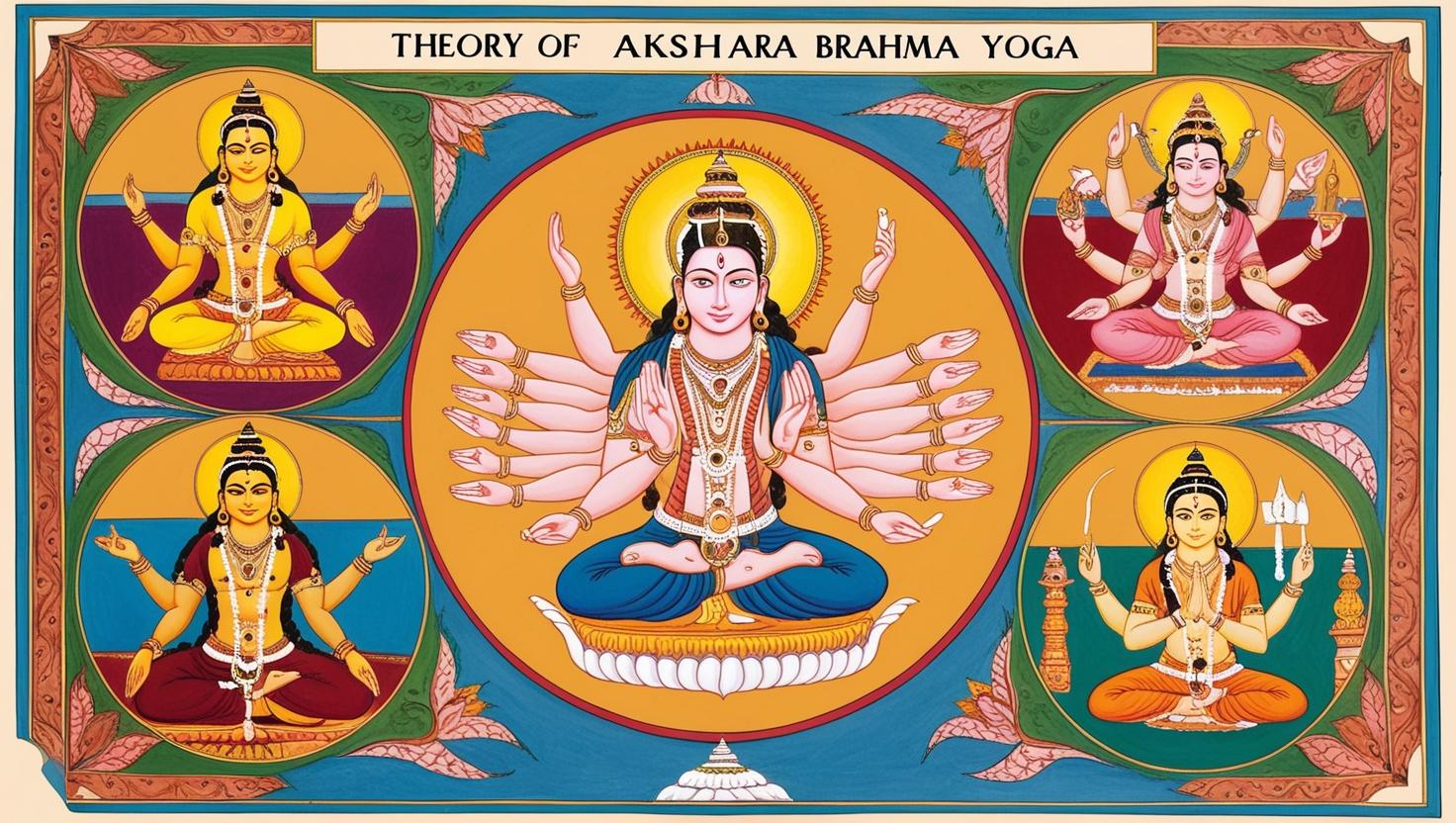
The Māṇḍūkya Upanishad is one of the shortest yet most profound of the principal Upanishads, belonging to the Atharva Veda. Composed of only 12 mantras, it is highly significant in Vedānta, especially Advaita Vedānta, as it provides a concise exposition of the nature of the Self (Ātman) and ultimate reality (Brahman). The Upanishad is centered around the syllable Oṁ (Aum), which it declares as the symbol of the entire universe and the Self. Through an analysis of the three states of consciousness — waking, dreaming, and deep sleep — and the transcendental fourth state, Turīya, it presents a complete philosophy of non-duality and Self-realization. Renowned as the foundation text for Gauḍapāda’s Māṇḍūkya Kārikā and later Shankara’s Advaita Vedānta, this Upanishad distills the essence of the highest wisdom into remarkable brevity. Click Here To More Detail.
Themes
From the summary in the text, here are the main themes of the Māṇḍūkya Upanishad:
The Symbolism of Oṁ
The Upanishad declares Oṁ as the eternal syllable encompassing the entire universe. Each sound (A, U, M) corresponds to a state of consciousness, while the silence beyond represents Turīya, the Absolute.
The Four States of Consciousness
- Vaiśvānara (Waking state) – outward-looking consciousness.
- Taijasa (Dreaming state) – inward-looking mental experiences.
- Prājña (Deep sleep state) – undifferentiated, blissful, but unconscious.
- Turīya (The fourth) – pure awareness, beyond waking, dream, and sleep, identical with Brahman.
Non-Dual Reality (Advaita)
The Upanishad teaches that the Self and Brahman are one. The apparent multiplicity of states dissolves in Turīya, which is the infinite, unchanging, non-dual reality.
Transcendence of Experience
Even bliss in deep sleep is not ultimate, for it lacks awareness. True realization lies in Turīya, where pure consciousness illumines all states but itself remains beyond them.
The Path of Realization
Meditation on Oṁ, combined with discrimination between the states of experience, is taught as the means to realize the identity of Ātman with Brahman. Click Here To Mandukya Upanishad.

How to Study It
To study the Māṇḍūkya Upanishad effectively, here are some steps:
Read with commentaries
Study with Gauḍapāda’s Kārikā and Śaṅkara’s Advaita expositions for depth, but also explore perspectives from other Vedāntic schools.
Contemplate the states of consciousness
Reflect on your own waking, dreaming, and deep sleep states, and inquire: what is the unchanging witness through all these?
Meditate on Oṁ
Use Oṁ not only as a sound but as a symbol: A-U-M as the three states, and silence as Turīya, the ultimate reality.
Compare with other Upanishads
See how its concise teaching of non-duality relates to the expansiveness of the Chāndogya or the directness of the Kena and Īśa.
Apply experientially
Shift awareness from identification with states (body, mind, sleep) to the witnessing Self. Live with the insight that the Self is timeless and unbounded. Click Here To Mandukya Upanishad.

Why Study It
Studying the Māṇḍūkya Upanishad is valuable because:
- It provides the most direct and systematic teaching of non-dual Vedānta.
- Its exploration of consciousness anticipates modern inquiries into psychology and the nature of mind.
- It integrates philosophy with practice through meditation on Oṁ.
- It reveals the essence of all Upanishadic wisdom in just 12 verses, making it both accessible and profound.
- It lays the foundation for later Advaita interpretations, especially Gauḍapāda’s doctrine of Ajātivāda (non-origination). Click Here To Mandukya Upanishad.
Conclusion
The Māṇḍūkya Upanishad is a jewel of spiritual philosophy — brief, yet containing the distilled essence of Vedānta. By analyzing the states of consciousness and revealing the transcendental Turīya, it leads the seeker to realize that the Self is none other than Brahman, the eternal reality. Its meditation on Oṁ offers a practical key to this realization. By pointing beyond waking, dream, and sleep, it opens the door to ultimate freedom: the knowledge that the Self is ever free, pure consciousness, and one with the Absolute.
Join Our Classes:
The Upanishads are more than just ancient texts—they are timeless guides to living with clarity, balance, and inner peace. Our classes make their profound wisdom easy to understand and apply in everyday life. Join us to explore these teachings and discover a new way of seeing yourself and the world!