Introduction
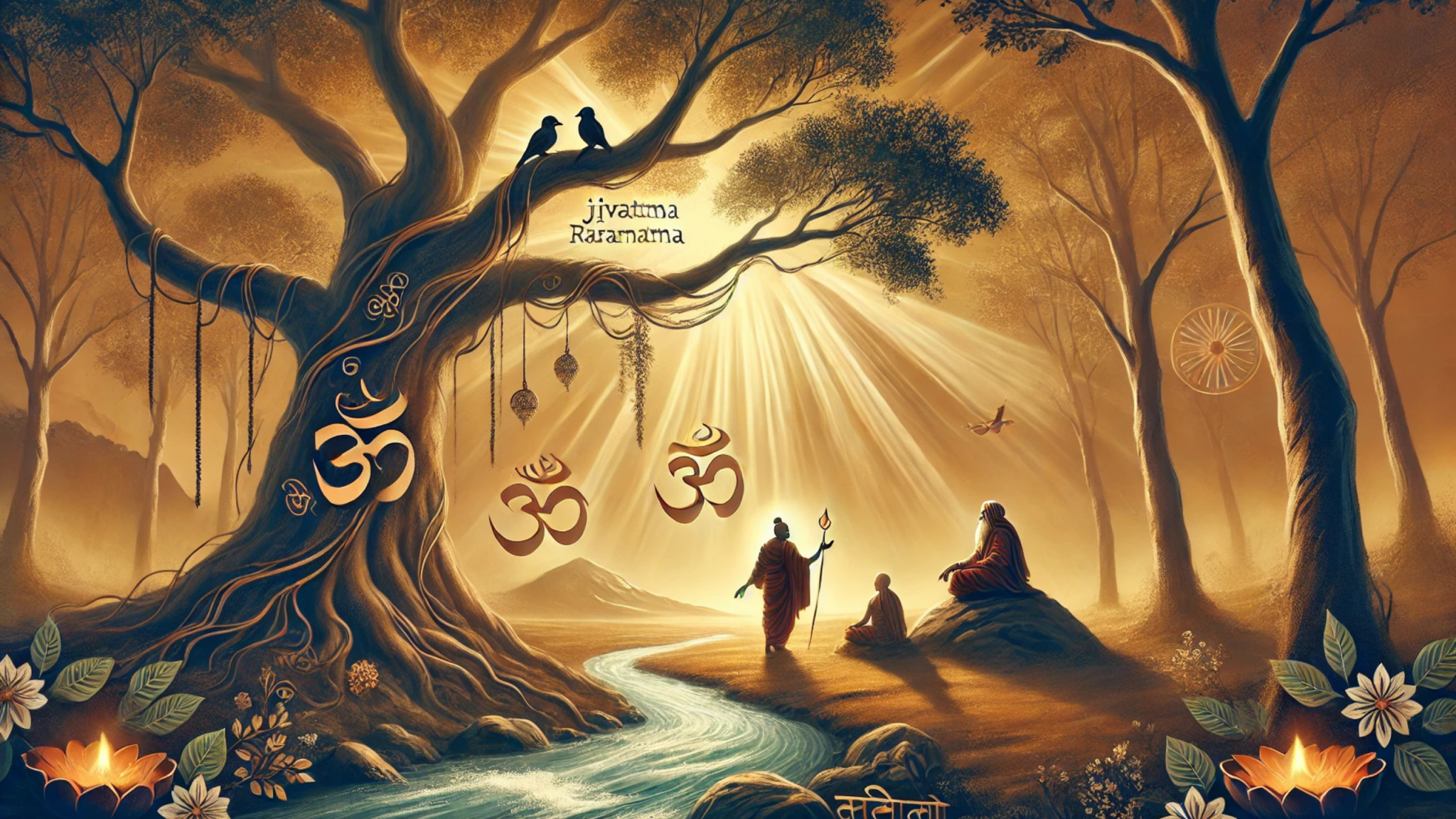
The “Kish Mantra” meditation is presented as a profound practice for self-realization and inner transformation. Rooted in the highest teachings of Vedantic philosophy, it emphasizes the Atma (the Self) — the eternal, imperishable consciousness that underlies all existence. Unlike the body and senses, which are limited and perishable, the Atma is causeless, changeless, and beyond perception by the physical or mental faculties. The purpose of this meditation is to help seekers transcend the illusions (Maya) created by the mind and senses, and to recognize their true identity as pure consciousness — the “light of all lights.” By repeatedly contemplating and internalizing this truth through mantra meditation, one moves beyond fear, death, and suffering, arriving at a state of peace, fearlessness, and liberation. Click Here To More Detail.

Themes (Explained in Depth)
The Transcendence of the Atma
- The Atma cannot be seen, heard, or grasped by the senses.
- It is eternal and imperishable, unaffected by birth, death, or decay.
Limits of the Mind and Senses
- Sensory knowledge is confined to the material world.
- True self-knowledge is possible only through spiritual practices like mantra meditation.
Mantra as a Spiritual Gateway
- The “Kish Mantra” is emphasized as a sacred tool that carries vibrational power.
- Repeating the mantra calms the mind and directs awareness inward toward the Self.
Fearlessness Through Self-Knowledge
- Recognizing “I am Atma” removes the fear of death.
- Death affects only the body, not the eternal Self.
Maya and Mental Projections
- The mind creates illusions that bind us to suffering.
- Meditation reveals the truth beyond illusions, leading to clarity and liberation.
Atma as the Light of All Lights
- The Self is self-luminous, illuminating all experiences.
- It is the ultimate witness, untouched by change. Click To Access For Video.
Keywords (With Spiritual Meaning)
- Atma (Self): Eternal, indestructible consciousness beyond body and senses.
- Maya: The illusion projected by the mind that causes suffering.
- Mantra: Sacred sound/vibration used to still the mind and access the Self.
- Witness (Sakshi): The unchanging awareness that observes all experiences.
- Fearlessness (Abhaya): The natural result of realizing one’s immortal Self.
- Light of Lights: The Atma as the ultimate source of all illumination and awareness.
- Immortality: Consciousness continues beyond physical death, unbroken and eternal.
Why Study
Studying and practicing this teaching is essential because:
- It addresses the deepest human concern — fear of death and impermanence.
- It reveals that our true identity is not the fragile body or restless mind but eternal consciousness.
- It provides a direct path to liberation (Moksha) by transcending illusions (Maya).
- It connects seekers to timeless spiritual wisdom, uniting philosophy with practical meditation.
- It offers a practical tool (Kish Mantra) that can be used daily to transform awareness.
Benefits (Explained)
- Freedom from Fear of Death – Understanding the Self as eternal dissolves existential anxiety.
- Inner Peace and Stability – By quieting the mind, meditation reduces stress and restlessness.
- Clarity Beyond Illusion – Seeing through Maya helps one live with wisdom and detachment.
- Fearlessness and Courage – Recognizing oneself as immortal gives strength to face life’s challenges.
- Spiritual Bliss – Meditation on the Atma opens the heart to deep inner joy and fulfillment.
- Liberation (Moksha) – Ultimately, this practice leads to freedom from the cycle of birth and death. Click To Access For Video.
How Many Times to Study per Day (Practical Guidance)
Beginners:
- 1 session daily, 10–15 minutes.
- Focus on repeating the mantra and reflecting on “I am not the body, I am Atma.”
Intermediate Practitioners:
- 2 sessions daily (morning & evening), 20–30 minutes each.
- Add reflection on Maya and detachment from the senses.
Advanced Seekers:
- 3 sessions daily (morning, midday, evening), 30+ minutes each.
- Incorporate mantra repetition, silent witnessing, and scriptural contemplation.
👉 Key point: Consistency is more important than duration. Even short daily practice builds powerful inner transformation. Click To Access For Video.
Conclusion
The Kish Mantra meditation is both a philosophy and a practice. It teaches that the Self is eternal, beyond the body, mind, and senses. By meditating on the mantra, seekers transcend illusions, quiet the mind, and recognize their identity as pure consciousness — the imperishable witness, the light of all lights. This realization brings fearlessness, peace, and liberation, allowing one to live life with wisdom, strength, and serenity. The practice does not reject the world but reorients the seeker to see beyond appearances, into the eternal truth within.