Introduction
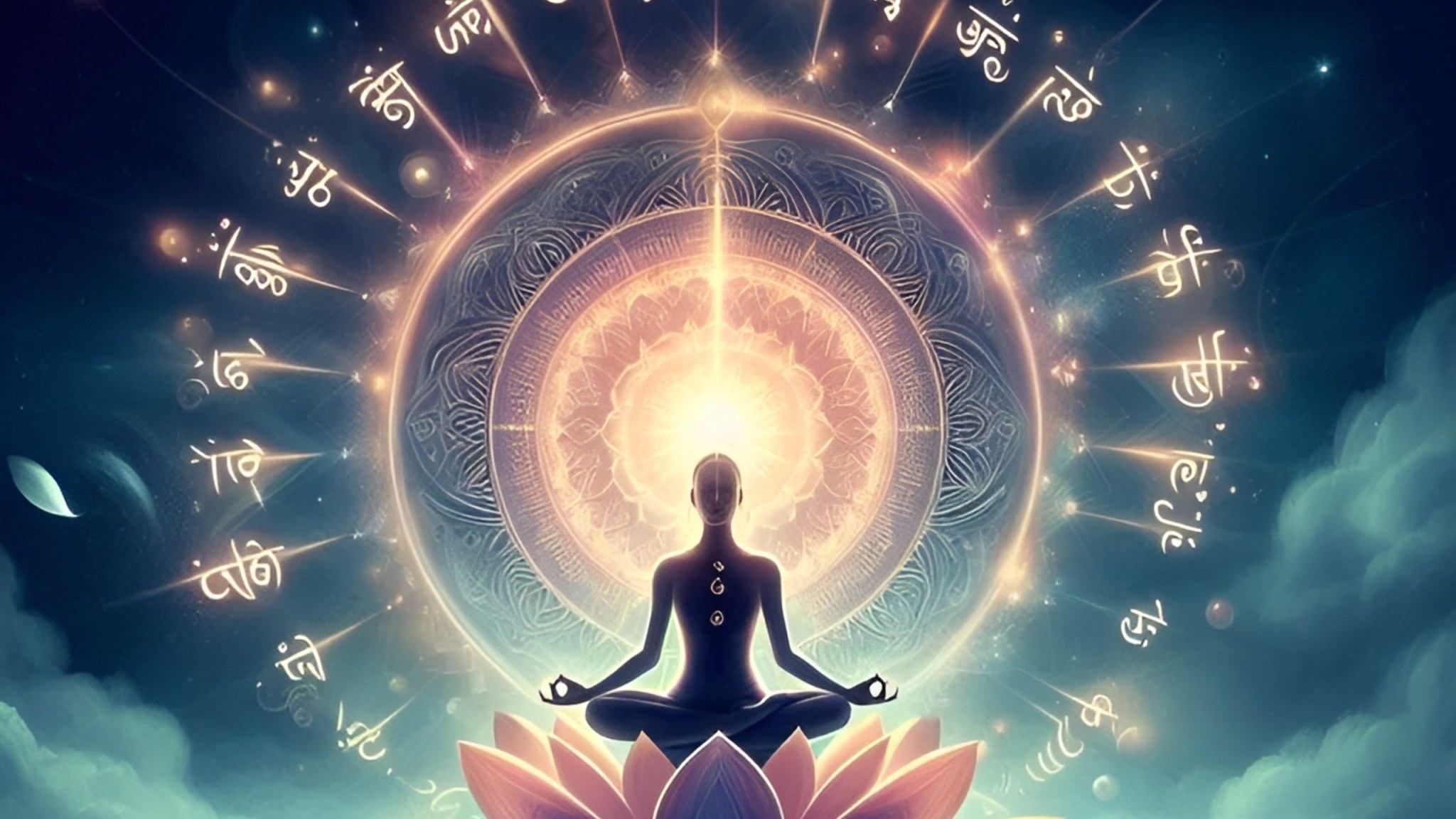
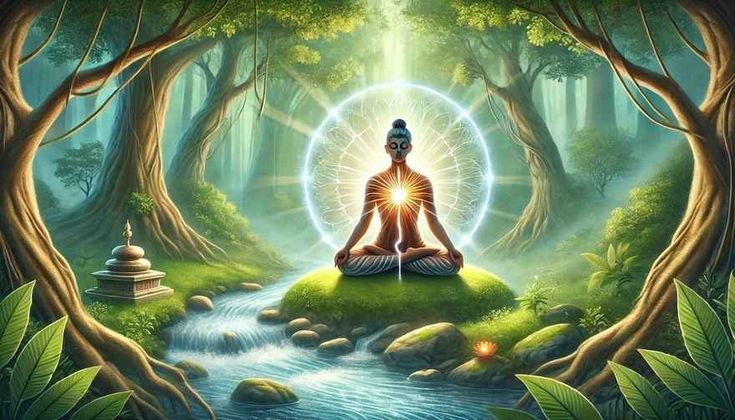
This meditation video explores the relationship between prana (vital force), the subtle body, and the Atma (eternal self). Prana sustains the body and its sensory organs, while the subtle body integrates mind, intellect, and ego as instruments of experience. However, the Atma is distinct — the changeless witness beyond prana, body, and mind. The teaching connects this realization with the cosmic principle (Brahman), showing the unity of individual and universal consciousness. Through chanting, reflection, and meditation, practitioners are guided to recognize themselves as the eternal Atma and not merely the transient body, senses, or breath. Click Here To More Detail.
Themes
- Prana as Life Force – Breath and vital energy sustain the physical body and senses.
- Subtle Body – A system of 17 faculties (sense organs, action organs, mind, intellect, ego, memory) shaping experience.
- Atma as Witness – The eternal, changeless self distinct from prana and body.
- Unity with Cosmic Consciousness – The Atma is one with Brahman, the universal self.
- Symbolism of Surya (Sun) – Represents the cosmic sustaining principle.
- Meditation Practice – Tools to internalize philosophy through posture, chanting, and inner reflection.
Keywords
- Prana – Vital force, breath energy sustaining life.
- Subtle Body (Sukshma Sharira) – Non-physical body of 17 faculties.
- Atma – Pure, eternal self; the witness.
- Sakshi – Observer consciousness.
- Brahman / HBA – Supreme cosmic principle, universal consciousness.
- Ahankara – Ego, false sense of individuality.
- Surya – Symbol of the cosmic sustaining force. Click To Access For Video.
Why Study This Teaching?
Studying this mantra and meditation is important because it provides a complete framework of existence: body, prana, subtle body, and Atma. It teaches seekers to differentiate between what is temporary (body, senses, breath, ego) and what is eternal (Atma). By knowing this, one moves beyond fear, attachment, and ignorance. It also connects the microcosm (individual self) to the macrocosm (cosmic principle), offering a vision of non-duality and unity that is central to Vedantic philosophy.
Benefits of Study & Practice
- Deeper self-understanding: Clarity on the layers of existence (body, breath, mind, self).
- Freedom from fear: Especially fear of death, since Atma is eternal.
- Detachment from ego: Understanding doership/enjoyership as illusions.
- Inner peace and stability: Recognizing the Atma beyond change and fluctuation.
- Expanded awareness: Seeing unity of individual and cosmic consciousness.
- Spiritual progress: Direct experience of teachings, not just intellectual knowledge.
How Many Times to Study Per Day?
- Morning (after waking) – To begin the day with awareness of breath and Atma.
- Evening (before sleep) – To detach from body and mind and rest in peace.
- Optional midday practice – A short mantra chanting or meditation for balance.
👉 Ideal: 2–3 times daily (morning, evening, and during stress or restlessness). With regular repetition, the teachings shift from theory to direct experience. Click To Access For Video.
Conclusion
This meditation reveals the essential truth of existence: while the body and prana sustain life, they are not the true self. The Atma, the eternal witness, is beyond birth, death, and change. By realizing Atma as one with Brahman, the practitioner transcends ego, fear, and illusion, attaining inner freedom. The sun (Surya) symbolizes this cosmic force, reminding us of the unity between individual and universal consciousness. Regular study and practice of these teachings bring clarity, peace, and self-realization, guiding seekers toward liberation (moksha). Ultimately, this meditation is not only a practice but a path to living in awareness of the eternal self.