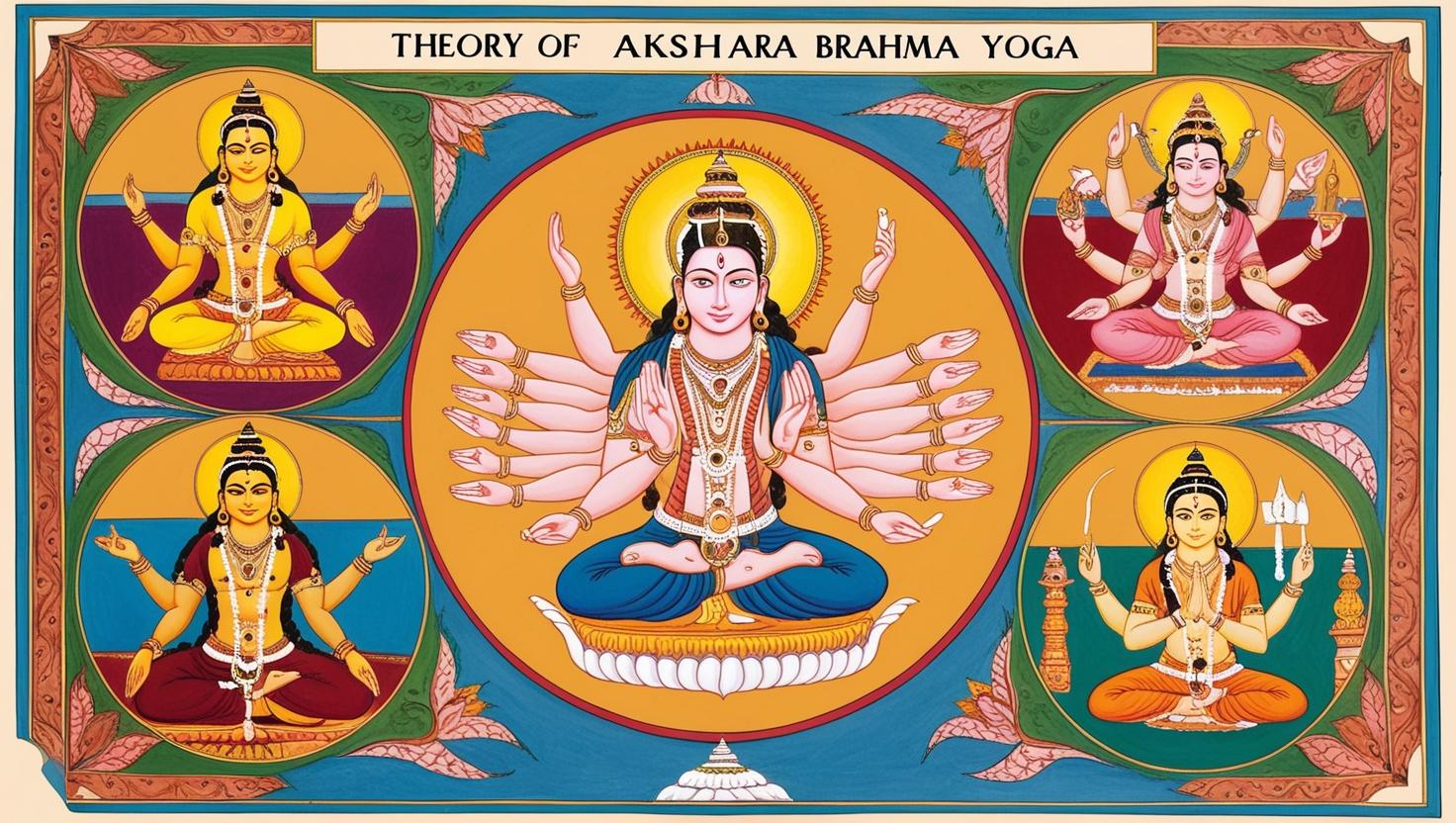
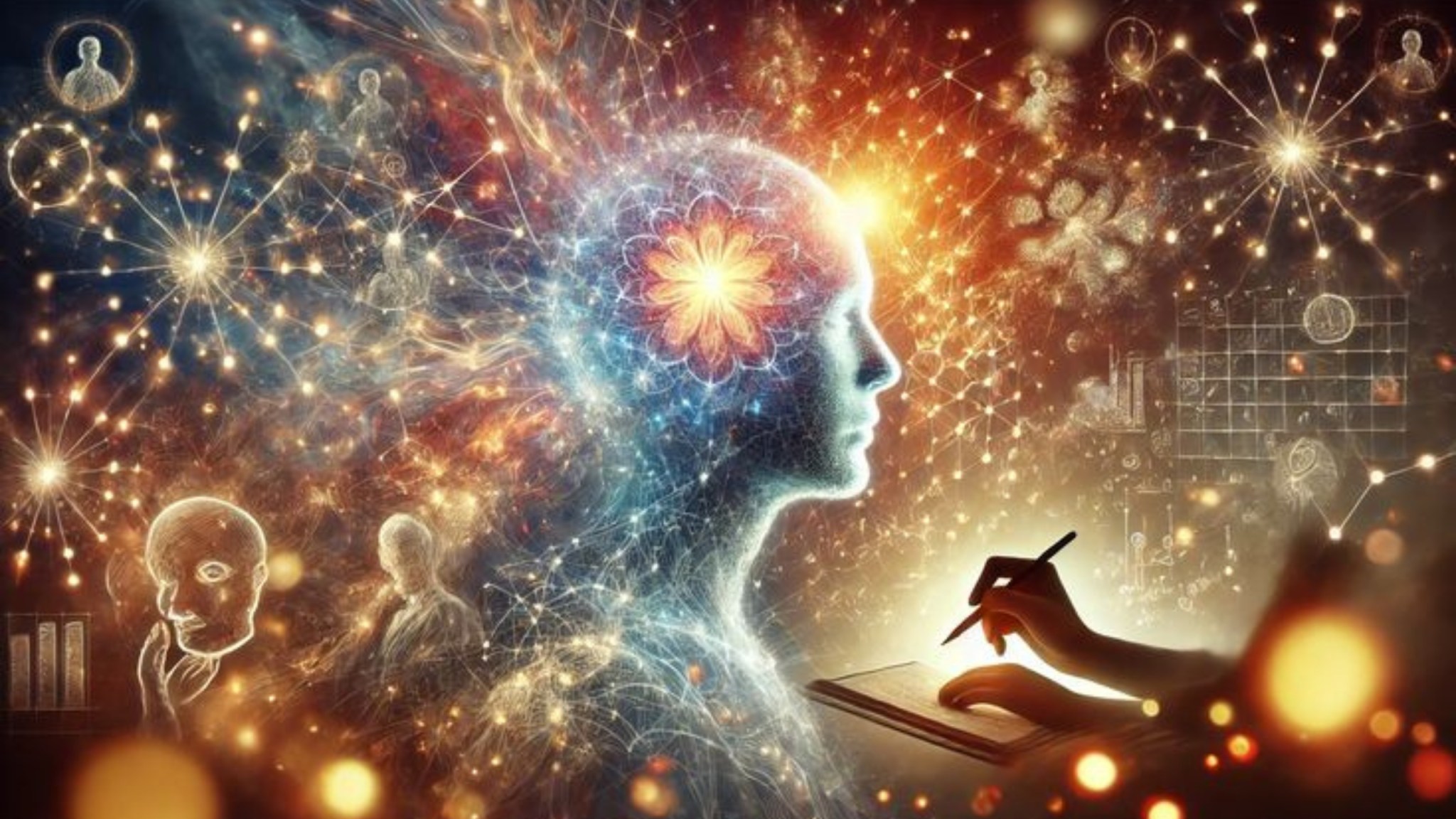
The Paradox of Knowing the Self – Verses 3–8 of Kena Upanishad
Verses 3 to 8 of the Kena Upanishad delve deeper into the nature of the Self (Ātman) by declaring that it is not known through ordinary means of knowledge. Shankara clarifies that the Self is “known by those who say they do not know it”, indicating that it is beyond conceptual understanding. These verses employ a paradoxical style to break the seeker’s attachment to intellectual certainty and to encourage direct realization. The Upanishad warns that merely theoretical knowledge does not lead to liberation. Instead, inner intuition (aparoksha anubhuti) alone reveals the truth. Thus, this section guides the seeker from intellectual inquiry to experiential wisdom, a key theme in Advaita Vedanta. For More Information Click Here
Seeing the Unseen: Understanding Kena Upanishad 1.3–1.8 Through Shankara
Verse 3
That which is not known by the mind, but by which the mind is said to know — know that alone to be the Brahman, not what people worship here.
Shankara’s Insight:
Brahman (the Self) is not an object that the mind can grasp. Rather, it is that because of which the mind works at all. It is the hidden power behind thinking. What people usually worship as ‘God’ with form is not the ultimate Brahman being spoken of here.
Verse 4
That which is not seen by the eye, but by which the eye sees — know that to be the Brahman, not what people worship here.
Shankara’s Insight:
Brahman is not something the eye can see, but it is what makes seeing possible. It is the unseen seer, the one that illumines all sight.
Verse 5
That which is not heard by the ear, but by which the ear hears — know that to be the Brahman, not what people worship here.
Shankara’s Insight:
The ear hears sounds, but Brahman is not a sound. It is the awareness that allows hearing to happen. It is beyond sense perception.
Verse 6
That which is not breathed by the breath, but by which breath moves — know that to be the Brahman, not what people worship here.
Shankara’s Insight:
Even the act of breathing is sustained by Brahman. It is not the breath itself, but the inner force behind all life. It is the source, not a part of what we usually experience.
Verse 7
If you think “I know Brahman well,” then you know only a little — whether of Its form in the body or among the gods. So, you must inquire further.
Shankara’s Insight:
If someone claims to know Brahman completely, they have misunderstood it. True knowledge of Brahman is not intellectual — it is subtle and must be deeply inquired into. Real wisdom begins with humility. For More Information Click Here
Verse 8
The student says: I do not think I know Brahman well, nor do I think I do not know it. He who understands this understands Brahman.
Shankara’s Insight:
The Self is a mystery — it cannot be put into categories of ‘known’ or ‘unknown.’ True understanding comes when one realizes it cannot be grasped like an object, but is the very essence of awareness itself.
Not Known Through the Mind: Shankara on Brahman’s True Nature
Shankara explains that Brahman, the ultimate reality, is not an object that the senses or mind can perceive. It is that by which the mind thinks, the eye sees, the ear hears, and the breath functions — the inner consciousness behind all experience. These verses use paradox to show that Brahman is the subject, never the object. One who claims to “know” it as an object has misunderstood it, for Brahman transcends ordinary knowledge. True knowledge is realizing that it is the very Self, the witness behind all cognition. According to Shankara, this realization comes through subtle discrimination, humility, and self-inquiry — not through sensory or intellectual effort alone. For More Information Click Here
Conclusion
Verses 3 to 8 emphasize that Brahman is not an object of perception or thought, but the very basis of all knowing and experiencing. Shankara explains that this realization cannot be attained through the senses or intellect, but only through direct self-inquiry and intuitive insight. The Upanishad uses paradox to guide the seeker beyond ordinary knowledge toward experiential understanding. True wisdom lies in recognizing the limits of the intellect and turning inward. Those who approach Brahman with humility and detachment from sensory identity attain the highest knowledge. Thus, these verses mark a transition from philosophical questioning to spiritual realization.
Join Our Classes:
The Upanishads are more than just ancient texts—they are timeless guides to living with clarity, balance, and inner peace. Our classes make their profound wisdom easy to understand and apply in everyday life. Join us to explore these teachings and discover a new way of seeing yourself and the world!