Who is Adi Sankaracarya?
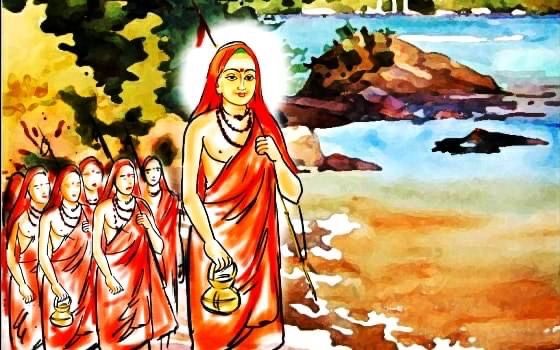
Adi Sankaracarya (c. 8th century CE) stands as one of India’s greatest spiritual luminaries. A philosopher, mystic, poet, and reformer, he is best known for reviving and systematizing the non-dualistic school of Advaita Vedānta. His central teaching Click Here To Access more other text.
Sloka 1:
“Atman is Brahman” (Tat Tvam Asi)
declares that the innermost Self is not different from the ultimate reality.
Though his lifespan was brief—just over three decades—his legacy is vast and enduring.
Key Contributions
Scriptural Commentaries (Bhāṣyas)
Śaṅkara wrote lucid and rigorous commentaries on the Prasthāna Trayam, the three pillars of Vedānta:
- Upaniṣads – Revealing the metaphysical essence
- Bhagavad Gītā – Bridging philosophy with daily life
- Brahma Sūtras – Systematizing Vedāntic logic
These works form the philosophical foundation of Advaita Vedānta.
Introductory Texts (Prakaraṇa Granthas)
To make Vedānta accessible, he authored several concise treatises:
- Tattva Bodha – For conceptual clarity
- Ātma Bodha – For experiential assimilation
- Vivekacūḍāmaṇi – A crown jewel of Vedantic poetry
- Upadeśa Sāhasrī – A blend of prose and verse instructions
These texts gently lead aspirants from intellectual inquiry to direct realization.
Institutional Legacy
- Traveled across India, engaging in scholarly debates, countering nihilistic and ritualistic misinterpretations.
- Founded four maṭhas in the cardinal directions:
- Sringeri (South)
- Dwarka (West)
- Puri (East)
- Badrinath (North)
These centers preserve the lineage and teaching of Advaita Vedānta to this day Click view PFD.

Atma Bodha – “Knowledge of the Self”
Among Śaṅkara’s Prakaraṇa Granthas, Ātma Bodha stands out for its poetic elegance and practical depth.
Purpose
- For spiritual aspirants (sādhakas) with mental discipline and purity.
- Aims to bring about aparokṣa jñāna—direct experiential knowledge.
- Teaches that liberation comes through realization, not merely scholarship.
Structure & Themes
- 68 Sanskrit verses filled with vivid analogies and clear logic.
- Teaching style: Direct and contemplative—not dialogical like Tattva Bodha.
Key Themes
- Nature of Ātman: Pure, eternal, changeless consciousness.
- Illusory nature of Anātman: The body-mind is not the Self.
- Sādhana: Emphasis on viveka, vairāgya, and nididhyāsana.
- Liberation (mokṣa): Arises from removing ignorance (avidyā), not by external rituals.
Benefits of Studying Atma Bodha
- Self-Realization: Recognizing one’s true nature as sacchidānanda.
- Viveka & Vairāgya: Sharpens discrimination between Self and non-Self.
- Mental Discipline: Cultivates inner calm, restraint, and focus.
- Freedom from Suffering: Destroys the root of bondage—ignorance.
Sample Vrse from Atma Bodha
Sloka 2:
Aparokṣanubhutiḥ tu yad artham sastram acaryataḥ |
tena kartavyam tat sarvam prag jnanasya tu niṣphalaḥ
Translation:
Scriptural study and instruction from the teacher are meaningful only when they lead to direct realization. Without that, they are fruitless. Click view PFD.
How to Approach Atma Bodha
Atma Bodha (“Self-Knowledge”) is a jewel among introductory Vedantic texts. It’s brief, poetic, and profoundly transformative. To benefit from it fully, the approach should match one’s level of preparedness, aspiration, and guidance.
Here’s a step-by-step guide for different types of seekers:
1. Beginners: Cultivating Interest & Clarity
Goal: Familiarity with Vedantic terms and core ideas
Approach:
- Daily Reading: Read 1 verse per day in Sanskrit (if possible) with a trusted English translation.
- Reflect: Note key concepts like Ātman, Māyā, viveka, and mokṣa.
- Write Notes: Jot down how the teaching applies to life or current challenges.
- Avoid Over-Intellectualizing: Let the simplicity and metaphors sink in before debating deeper meanings.
Tools:
- Use audio recitations to get used to Sanskrit cadence.
- Choose a translation with commentary by traditional teachers (e.g., Swami Chinmayananda, Swami Tejomayananda).
2. Intermediate Sadhakas: Contemplative Engagement
Goal: Assimilation of teachings, inner transformation
Approach:
- Chant & Meditate: Recite 1–2 verses daily. Meditate on the meaning.
- Vichāra (Enquiry): Practice Self-inquiry—“Who am I?”—inspired by each verse.
- Journaling: Keep a spiritual diary on insights and obstacles.
- Satsang: Attend group study sessions or listen to recorded discourses.
- Bridge with Tattva Bodha: Use Tattva Bodha for conceptual grounding when concepts seem abstract.
Sadhana to Support Study:
- Cultivate viveka (discrimination) and vairāgya (detachment).
- Practice śama, dama, and samādhāna (mental discipline).
3. Serious Students: Committed Vedantic Study
Goal: Shift from intellectual to direct realization (aparokṣa jñāna)
Approach:
- Traditional Commentary: Study with Sanskrit commentaries by Ācāryas (e.g., Śaṅkara, Vidyāraṇya).
- Guru’s Guidance: Study under a qualified teacher (śrotriya brahma-niṣṭha).
- Nididhyāsana: Meditative contemplation on the non-dual Self—not just theoretical study.
- Cross-reference with Upaniṣads and Bhagavad Gītā to see parallels and deepen context.
- Repeat and Internalize: Keep returning to key verses even after finishing the text.
Important Practice:
-
Drop identification with the body-mind through constant reflection on “I am not the doer, I am the witness Consciousness.”
Why Atma Bodha Remains Timeless
- Compact Yet Deep: A bridge between theory and direct insight.
- Metaphysical Clarity: Removes confusion about identity and reality.
- Spiritual Relevance: Offers practical wisdom for daily living and inner freedom.
Further Study
- Download: Brahma Sutra Bhaṣya – Vol. 1 (PDF)
- Ideal progression:
-
-
Tattva Bodha → 2. Atma Bodha → 3. Upaniṣads/Gita/Brahma Sutras Click view PFD.
-
Conclusion
Atma Bodha is not just a book—it’s a mirror held up to the Self. In just 68 verses, Śaṅkara provides a luminous path from confusion to clarity, from ego to essence. It continues to serve as a guiding light for all sincere seekers on the path of self-knowledge Know More About Chapter 1 –( Adhikaranam 1 ) – Vol – 2 Introduction.