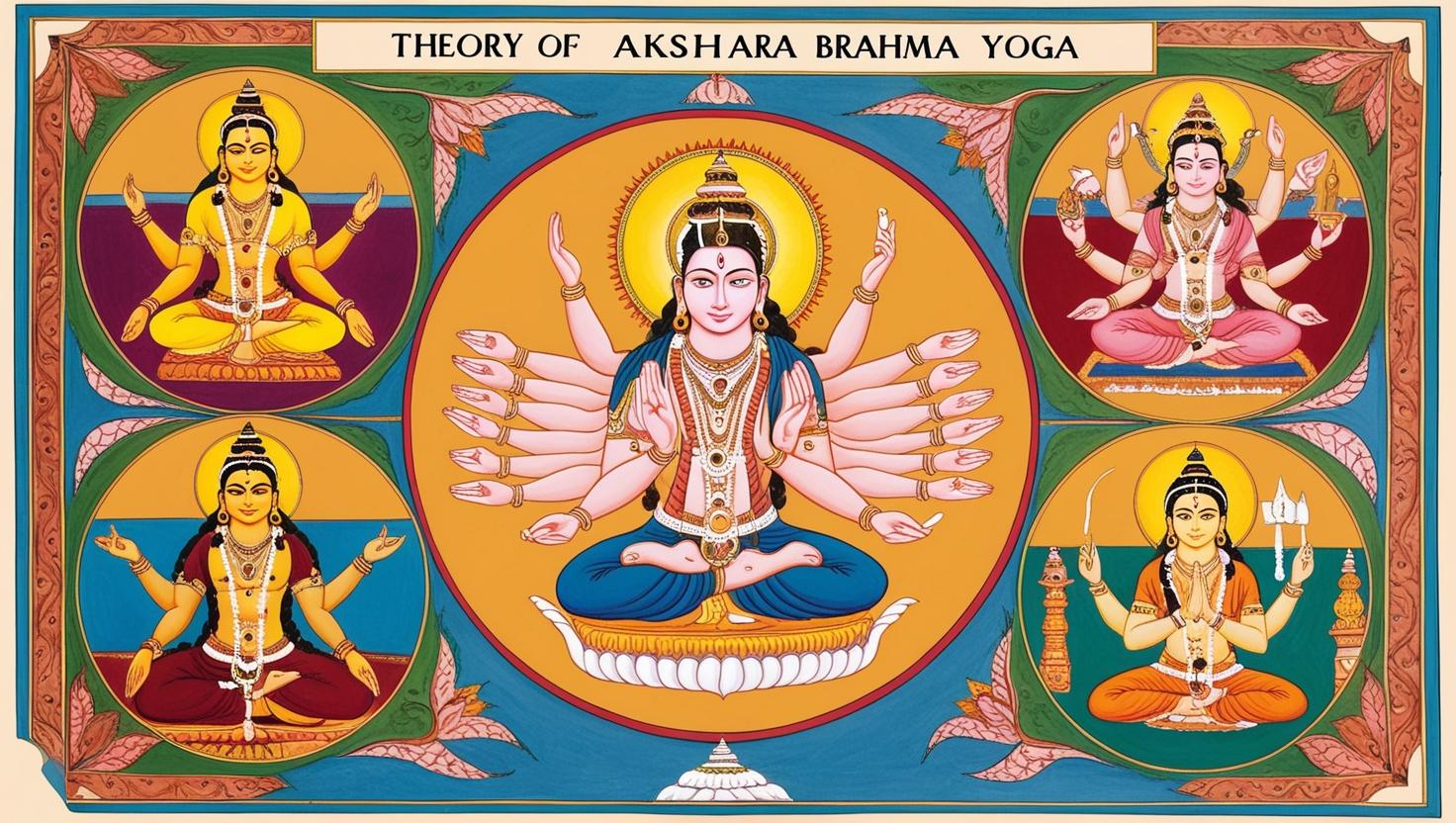
Brahma Sutra Bhaṣya – Volume 1: Chapter 1 (Samanvaya Adhyaya)
Theme: Samanvaya means “harmonization” or “coherence.” This chapter establishes that Brahman alone is the central teaching of all Vedānta texts (Upaniṣads) Click Here To Access more other text.
Structure of Chapter 1:
Structure of Chapter 1 – Samanvaya Adhyaya
Chapter Theme: This chapter, titled Samanvaya (meaning harmonization), is dedicated to establishing that Brahman alone is the central and consistent teaching across all the Vedānta texts, especially the Upaniṣads. Śruti passages may seem diverse, but this chapter shows how they all converge on a single non-dual reality—Brahman.
1st Pada – Brahman as the Subject of All Vedānta
This section lays the foundational idea that Brahman is the primary topic of all Vedāntic scriptures, not karma, deities, or rituals. It begins with the famous opening sūtra, “Athāto Brahma Jijñāsā”, initiating the inquiry into Brahman. Through various examples, Śaṅkarācārya demonstrates that all Upaniṣads—regardless of style or terminology—point toward the same truth: the non-dual Brahman. This pada includes 11 Adhikaraṇas and builds the core vision of Advaita Click view PDF.
2nd Pada – Brahman is the Cause of the World, Not Pradhāna or Jiva
In the second section, Śaṅkara addresses and refutes other philosophical claims regarding the origin of the universe. Primarily targeting the Sāṅkhya philosophy, which posits Pradhāna (inert matter) as the cause, and the idea that the Jīva (individual soul) is the creator, this pada upholds that Brahman is both the material and intelligent cause of the universe (Abhinna-nimitta-upādāna-kāraṇa). It contains 7 Adhikaraṇas that establish Brahman’s supremacy in the act of creation Click view PDF.
3rd Pada – Refutation of Non-Vedantic Views
The third section is largely philosophical and polemical, presenting a thorough refutation of opposing schools like the Buddhists, Jains, Vaiśeṣikas, and Naiyāyikas. Śaṅkara uses logic and scriptural evidence to argue that these schools do not align with the inner coherence of the Vedas. The need for an intelligent and conscious cause (Brahman) is re-emphasized, and the various flaws in materialistic and atomistic cosmologies are exposed. This pada contains 6 Adhikaraṇas and reinforces the Vedāntic worldview Click view PDF.
4th Pada – Consistency of Brahman Throughout All Upaniṣads
This concluding section emphasizes that despite the apparent diversity in language and presentation, all Upaniṣads consistently teach Brahman. Whether they refer to Brahman as Sat (Existence), Ātman (Self), Akṣara (Imperishable), or Īśvara (Lord), the underlying reality remains the same. Śaṅkara shows that the Upaniṣads do not teach contradictory doctrines but are unified in purpose and content. With 15 Adhikaraṇas, this is the longest section of the chapter and serves to firmly establish the non-dual vision of Vedānta.
Detailed Summary of Pada 1 (1st Quarter)
Sutra 1.1.1 – Athato Brahma Jijnasa
“Now, therefore, the enquiry into Brahman.”
- Bhāṣya meaning: Śaṅkara says this inquiry begins after a person has gained dispassion and basic understanding of dharma.
- Why ‘Now’? – It signals that knowledge of Brahman follows basic scriptural study (like Karma Kāṇḍa).
- Key point: Knowledge of Brahman alone gives liberation (mokṣa), not rituals.
Sutra 1.1.2 – Janmadyasya Yataḥ
“(Brahman is that) from which the origin, sustenance, and dissolution of the world (proceed).”
- Bhāṣya meaning: Brahman is the intelligent cause (not just material) of the universe.
- Śaṅkara rejects materialistic or mechanical causes (like Sāṅkhya’s Pradhāna).
Sutra 1.1.3 – Sastra-Yonitvat
“(Brahman is known) because it is the source of scriptures.”
- Only the scriptures (śruti) can reveal Brahman, as Brahman is beyond perception and logic.
- Śaṅkara emphasizes apauruṣeya (non-human origin) of Vedas.
Sutra 1.1.4 – Tat Tu Samanvayat
“That (Brahman) is to be known from the scriptures because it is consistently taught therein.”
- Every Upaniṣad ultimately speaks about Brahman, even if superficially different.
- Sankara uses this to refute the idea that different Upaniṣads teach different deities or doctrines Click view PDF.
Sankaracarya’s Interpretive Method
Adhikaraṇa Style: Each topic follows a structure:
- Vishaya (Topic)
- Purvapakṣa (Objection)
- Siddhānta (Conclusion)
- Sūtra Explanation
- Support from Śruti
- Sankara uses this to bring unity among scattered Upaniṣadic statements.
Why Study the Brahma Sutra Bhaṣya?
-
To understand Vedānta systematically
The Brahma Sūtras organize scattered Upaniṣadic teachings into a logical system. Śaṅkara’s Bhāṣya makes this system accessible and non-dualistic (Advaita). -
For clarity in Self-knowledge (Ātma-jñāna)
Without clear reasoning, Vedānta may seem contradictory. The Bhāṣya resolves doubts and affirms the non-duality of Ātman and Brahman. -
To remove philosophical confusion
Sankara’s commentary refutes rival schools (Nyāya, Sāṅkhya, Buddhism) and clarifies why Brahman alone is the one reality. -
For mokṣa (liberation)
As Sankara repeatedly states, Self-knowledge alone leads to liberation, not rituals or worship alone. This text leads directly to that knowledge Click view PDF.
How to Study the Brahma Sutra Bhaṣya
1. With a Qualified Teacher (Guru)
- This is essential. Many ideas are subtle and easily misunderstood without guidance.
- Attend live classes or follow respected teachers like Swami Paramarthananda, Swami Dayananda Saraswati, or Chinmayananda.
2. Use Reliable Materials
- Get a Sanskrit-English version if possible, with word-by-word translation.
- Use supporting texts: Upaniṣads, Bhagavad Gītā, and Tattvabodha for foundation.
3. Understand the Structure
Know how each Adhikaraṇa works:
- Vishaya (topic)
- Pūrvapakṣa (objection)
- Siddhanta (conclusion)
- Sutra meaning
- Sruti support
4. Study Repeatedly
- Don’t rush. Take one sūtra or adhikaraṇa at a time.
- Reflect deeply; use sravaṇa (listening), manana (reflection), and nididhyāsana (contemplation).
How Many Times Should You Study It?
There’s no fixed number, but traditionally:
- First round (introductory): Study with commentary to get a broad picture.
- Second round (reflective): Take notes, connect to Upaniṣadic verses.
- Third round (contemplative): Use it for deep Vedāntic reflection.
Many serious students repeat the Bhāṣya 3 to 5 times over years, often under different teachers or in different contexts, until the teachings become internalized Click view PDF.
Conclusion:
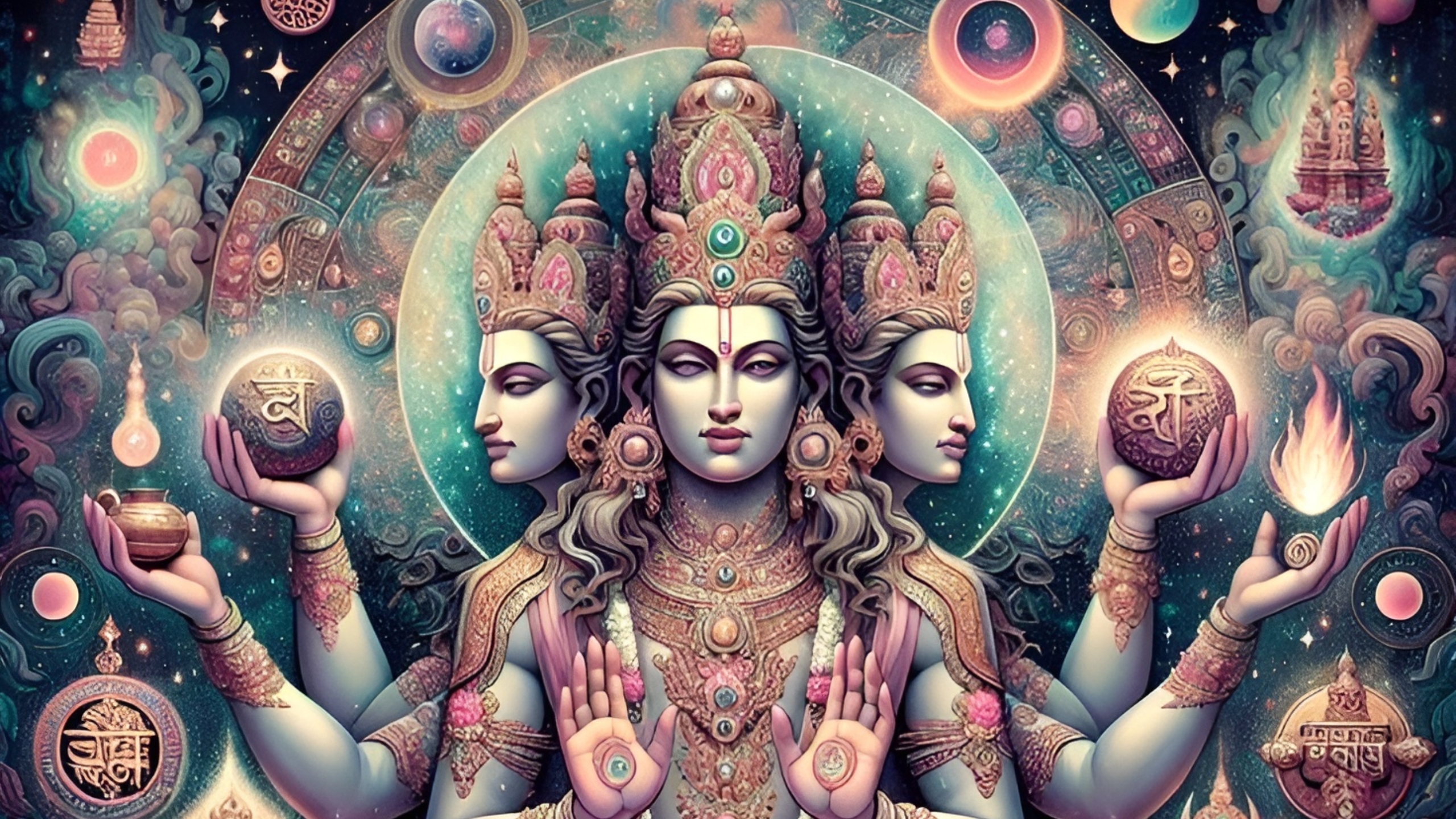
The Samanvaya Adhyāya, the first chapter of the Brahma Sūtra Bhāṣya, is a profound spiritual map that establishes Brahman as the central, consistent, and non-contradictory subject of all Vedāntic teaching. Through four logically structured sections (Pādas), Śrī Ādi Śaṅkarācārya guides the student from scriptural inquiry (jijñāsā) to philosophical clarity, culminating in the insight that all Upaniṣads harmoniously point to one eternal truth — Brahman, the Self of all beings. Studying this chapter is not merely an academic task, but a transformative inner journey. It aligns your intellect with truth, removes doubts sown by conflicting philosophies, and builds unshakable conviction in the Upaniṣadic declaration: “Tat Tvam Asi” – You Are That.