Introduction
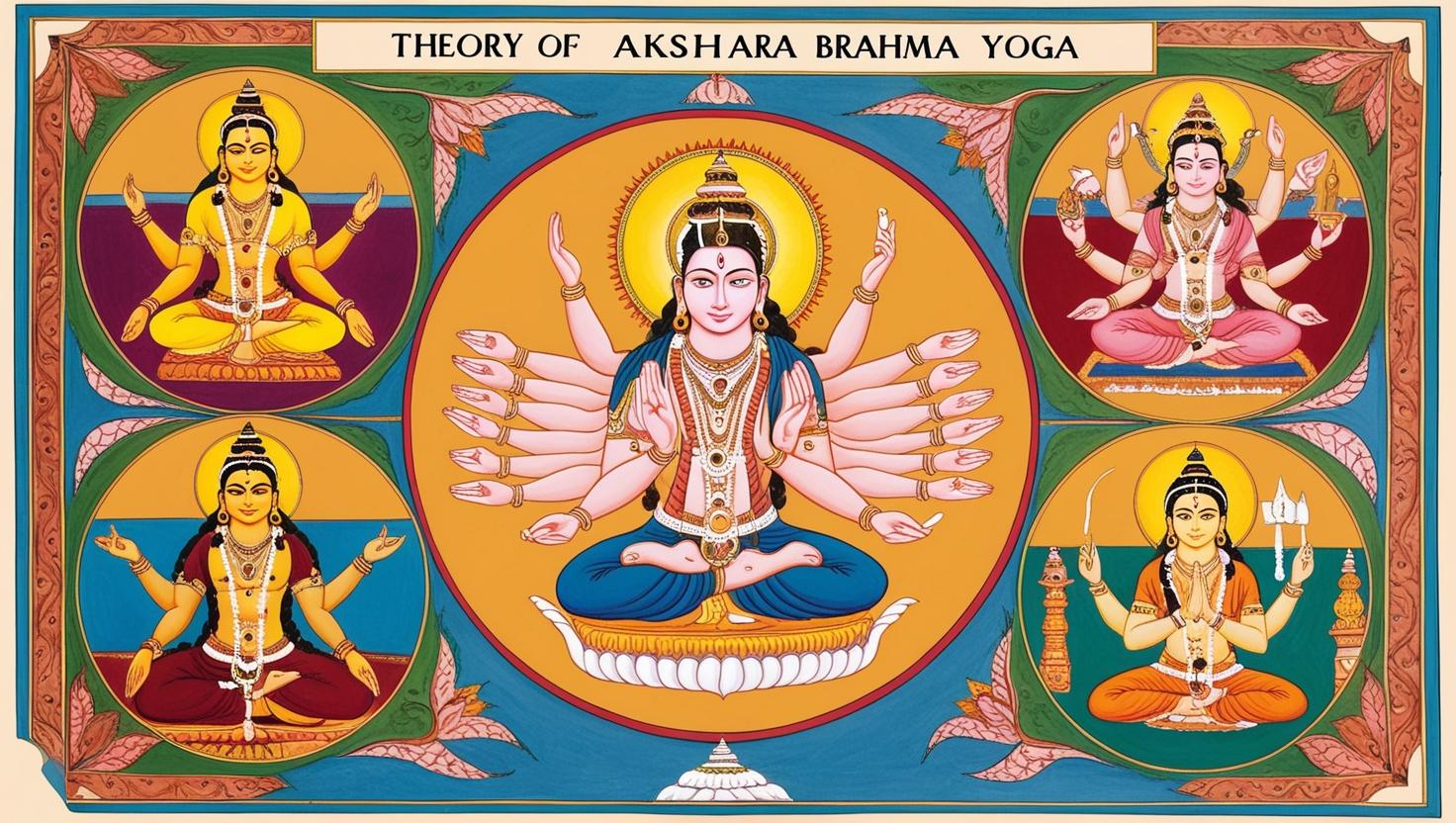
Volume 40 of Vichāra Sāgara is part of the later portion of Chapter 7 (or the concluding “wave” of this vast text on Advaita Vedānta). According to the PDF listing, this volume begins around Topic 522 and includes discussions such as: the question of form and formlessness in Upāsana, explanation of idols (mūrtis) and their role in meditation, the nature of the one loka (realm) behind the apparent many, and the subtle teachings about Kāraṇa Brahma (the causal Brahman) vs. Kārya Brahma (the effect / universe). In essence, this volume addresses: How the ultimate cause (Brahman) is beyond forms; how to use forms as an aid but not remain attached; how Upāsana (worship/meditation) functions when the goal is the formless Self; how the many deities, realms, and names collapse into the one Reality. It is aimed at the seeker who has travelled far and is now clarifying the final subtleties of non-dual living. Click Here To Access more other text.

Benefits of Studying This Volume
Studying Volume 40 brings several significant benefits:
- It clarifies the role of religious forms, idols, deities and how they ultimately point to formless Brahman — helping remove literal attachment to forms and deepen the subtle understanding of Upāsana.
- It deepens your insight into the non-dual framework: how many “worlds” or “names and forms” appear, yet underlying is only one Reality — this helps dissolve the sense of multiplicity and strengthens unity-consciousness.
- It supports the transition from worship/ritual-based spirituality to direct Self-inquiry and abiding as the Self — thus freeing one from dependence on rituals and forms.
- It offers practical guidance on how to use forms (if helpful) and then let them go—guiding the seeker beyond the form-bound stage into the formless stage.
- It helps stabilise living from the Self by removing last bits of clinging to religious structures, thereby preparing the seeker for effortless abiding in non-dual reality. Click view PDF.
Sanskrit Text
(५२६) कारणब्रह्मोपासना
कारणब्रह्मोपासना प्रकारस्त्वयमेव।
ब्रह्म जगत्कारणं सत्यकामत्वसत्यसङ्कल्पत्वसर्वज्ञत्वसर्वशक्तत्वसर्वान्तर्यामित्वपालकत्वेश्वरत्वादिभिर्विशिष्टेन ध्यायीत।
न हि मूर्तिध्यानोद्दिष्ट शास्त्रस्य तात्पर्यम्।
शास्त्रेऽधिकमुर्तिप्रतिपादनं च नोपासनार्थमेव।
किन्तु, कारणब्रह्मोपलक्षणार्थमेव। Click view PDF.

Meaning in Simple English
-
This passage describes the meditation on Brahman as the cause of the universe.
-
Brahman is meditated upon as the creator and cause of everything.
-
Brahman is visualized with divine qualities such as:
-
All-knowing
-
All-powerful
-
Inner ruler of all beings
-
Supporter and protector of the universe
-
Whose desires are always true
-
Whose will always succeeds Click view PDF.
-
-
Scriptures that talk about image worship (mūrti-dhyāna) do not intend to limit God to a form.
-
Idol-description in scriptures is not the final goal.
- The real purpose is:
to guide the seeker to meditate on the Supreme Causal Brahman
beyond the physical form.

Benefits (Bullet Points)
- Develops understanding of Brahman as the ultimate cause
- Expands the mind toward universal consciousness
- Removes narrow concepts of God as limited to idols/forms
- Strengthens devotion and knowledge together
- Leads toward higher spiritual realization and liberation
- Helps the seeker move from Saguna Upasana → Nirguna Brahma-Jnana Click view PDF.
How to Study
Here’s a recommended approach to studying Volume 40 effectively:
-
With a competent teacher or guide: Because the topics (form vs formless, Upāsana, causal Brahman) are subtle and may lead to misunderstanding if taken purely intellectually.
-
Read sequentially: Begin from the first topic of this volume (around Avarta/Topic 522) and proceed in order. The arguments build cumulatively and address objections, clarifications, and application.
-
After each section, reflect and ask:
• “What form(s) do I still cling to in my practice or life?”
• “How is the teaching pointing me beyond the form to the formless?” Click view PDF.
• “In what way is my worship, meditation or identity still bound by name/form rather than realised Self?” -
Meditative assimilation: After reading a section, sit quietly and rest as the awareness invoked. If a form was used, notice your dependence on it; then observe letting it go and resting as that which is formless.
-
Journalling: Write down:
-
Insights about when forms helped, when they became hindrances.
-
Moments of detachment from forms, or surprise at remaining attachment.
-
How your sense of identity, worship, meditation changes after this reading.
-
-
Integration into life: Use your daily spiritual practices (puja, mantra, meditation) as laboratories: ask “Is this form aiding my awareness of Brahman, or am I attached to the form itself?” Let the volume’s teaching inform your lived spirituality. Click view PDF.

Why Study
Here are compelling reasons why you should study Volume 40:
- Because many seekers become attached to forms, rituals, deities, thinking them separate goals, rather than aids to Self-knowledge — this volume addresses that trap.
- Because the advanced stage of non-dual enquiry invites going beyond name and form into Self-abiding; without this clarification the seeker may stall in form-worship without realisation.
- Because understanding the difference between the effect (forms, world, worship) and the cause (Brahman) is central to non-dual Vedānta — this volume focuses exactly there.
- Because it supports the final integration: from performing worship to resting as the worshipper and the worshipped, from many to One, from ritual to Realisation.
- Because studying this volume helps you move from being a worshipper of forms to becoming awareness itself, thus maturing your path. Click view PDF.

How Many Times to Study
Here’s a suggested pattern for how often and how deeply to engage with Volume 40:
- First pass: Read through the volume to get a broad overview of its themes: form vs formless, Upāsana, causal cause, many names, one Reality.
- Second pass: Read more slowly; annotate key statements; after each topic reflect on how your practice or life uses forms and how you may still be bound.
- Third pass (and further passes): Combine reading with meditation, journalling, and life-observation. After each section, sit in awareness, note how your worship or identity is shifting. Over days/weeks observe changes.
- Periodic revisiting: Because the teaching is subtle and deep, revisit Volume 40 every 6-12 months (or whenever you sense being caught again in form-identification or ritual-mania) — you will discover new layers and shed more attachment each time.
- Long-term companion: Recognise this volume not as a one-time read, but as an ongoing guide: whenever your spiritual practice involves forms, deities, worship, this volume can help you review your orientation. Click view PDF.
Conclusion
Volume 40 of Vichāra Sāgara is a rich and essential text for serious seekers of non-dual Realisation who are beyond initial enquiry and entering the territory of stable being. When studied with sincerity, reflection, meditation, and integration, it helps one shift from “I worship the form” to “I abide as the Formless Self that underlies all forms”, from many deities and rituals to one Reality and one awareness. Approach this volume with openness, humility, and disciplined enquiry—and allow it to support your transition from devotional form-bound spirituality into abiding Self-awareness. In that shift lies deeper freedom.
Join Our Classes:
The Vichara Sagara are more than just ancient texts—they are timeless guides to living with clarity, balance, and inner peace. Our classes make their profound wisdom easy to understand and apply in everyday life. Join us to explore these teachings and discover a new way of seeing yourself and the world!