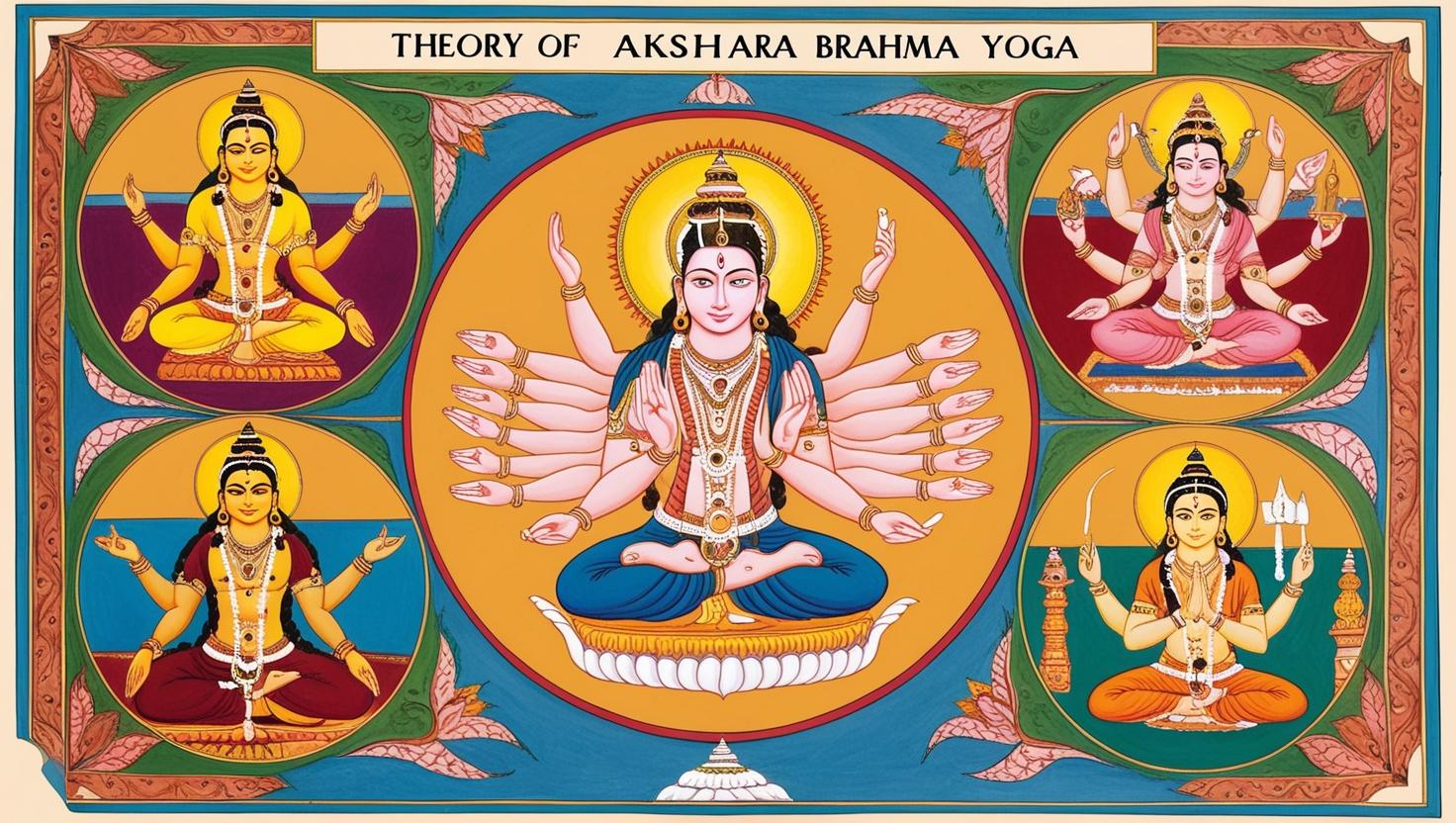
Abidance in the Self: Summary of Aparokshanubhuti Verses 70–117
In verses 70 to 117 of Aparokshanubhuti, the text shifts toward practical instructions for steadying the mind and abiding in the Self. The seeker is urged to withdraw from external distractions and practice deep contemplation to dissolve the false ego. Emphasis is placed on inner silence, renunciation, and non-identification with the body or mind. These verses highlight the importance of constantly remembering “I am Brahman” and avoiding all dualistic thinking. The goal is to remain firmly established in the Self, free from desire, fear, and doubt. Through persistent inquiry and detachment, the seeker attains unwavering Self-realization, beyond all illusion. For More Information Click Here

Living Non-Dual Awareness: Insights from Aparokshanubhuti Verses 70–117
Verses 70 to 117 of Aparokshanubhuti provide deep insight into the practical discipline needed for abiding in the Self and transcending the illusion of ego and world. These verses guide the seeker to turn inward, detach from sensory distractions, and stabilize the mind through meditation, renunciation, and non-identification with the body and mind.
The central message is: You are not the body, senses, or mind—you are the pure, infinite Self (Atman). Constant awareness of this truth through reflection on statements like “I am Brahman” helps dissolve the ego. The seeker is urged to avoid all dualistic thinking, such as distinctions of good and bad, or self and other. Instead, they are encouraged to dwell in the awareness of the Self, which is beyond all change and action.
The text highlights that desirelessness and detachment are essential, as they quiet the mind and remove the distractions that obscure Self-knowledge. Ultimately, these verses are about living the truth of non-duality, not just understanding it intellectually. Through continuous practice, the seeker realizes the Self as ever-free, unchanging, and blissful, beyond all illusion and limitation.

Essential Discipline for Self-Realization: Core Teachings from Aparokshanubhuti Verses 70–117
Verses 70–117 of Aparokshanubhuti focus on the inner discipline and direct experience required to abide in the Self. The core teaching is that liberation is attained by renouncing all mental distractions and realizing the Self as one’s true identity. These verses emphasize non-identification with the body, mind, and senses, which are products of ignorance, and promote constant meditation on the truth: “I am Brahman.”
The text teaches that true knowledge is not mere intellectual understanding but firm abidance in non-dual awareness. Duality, created by the mind, must be transcended by cultivating dispassion and withdrawing from all worldly tendencies. The seeker is encouraged to let go of desires, doubts, and ego-centered thoughts, and to reside in the silence and stillness of pure consciousness. Ultimately, the Self is revealed as formless, changeless, blissful, and ever-free—this is the essence of liberation (moksha), and the heart of these verses. For More Information Click Here

Adi Shankaracharya’s Vision of Inner Renunciation in Verses 70–117 of Aparokshanubhuti
In verses 70–117 of Aparokshanubhuti, Adi Shankaracharya expresses his profound Advaitic vision by emphasizing the necessity of inner detachment and direct experience for liberation. These verses reflect his core belief that liberation (moksha) is not attained through action or rituals, but through steady abidance in the Self, which is the very nature of pure consciousness.
Shankara insists that the false identification with body, mind, and senses must be destroyed through discrimination (viveka) and meditation (nididhyasana). He views all dualistic perceptions as superimpositions caused by ignorance (avidya), and he urges the seeker to renounce all mental constructs and remain absorbed in the formless, unchanging Self. His emphasis on constant remembrance of “I am Brahman” shows his view that realization is not a future goal but an ever-present truth veiled by wrong thinking.
These verses also reflect his faith in inner renunciation, not necessarily external monasticism, as the key to dissolving ego and realizing the Self. For Shankaracharya, realization is an inward journey—a quiet dissolution of falsehood through unwavering contemplation and detachment. Thus, in this section, he offers both a philosophical and practical roadmap to attain the non-dual state of liberation that is beyond all distinctions and limitations.

Practical Path to Liberation: Importance of Aparokshanubhuti Verses 70–117
Verses 70–117 of Aparokshanubhuti are of great importance as they present the practical essence of Advaita Vedanta—not just in theory, but as a lived experience. This section shifts from philosophical foundation to spiritual application, guiding the seeker in how to abide in the Self through deep inward focus and renunciation.
The verses emphasize mental discipline, detachment, and discrimination as essential for dissolving ego and realizing non-dual awareness. They help the seeker understand that Self-realization is the direct result of steady contemplation and rejection of false identifications with body and mind. Constant reflection on the truth “I am Brahman” is encouraged as a powerful practice.
This portion is especially important because it outlines the actual method of liberation—not merely knowing the Self, but living as the Self, beyond doubt, duality, and distraction. It transforms abstract knowledge into direct realization (aparoksha anubhuti), which is the final goal of Advaita: freedom here and now. For More Information Click Here

Conclusion
Verses 70–117 of Aparokshanubhuti guide the sincere seeker from intellectual understanding to direct realization through inner discipline, renunciation, and constant awareness of the Self. They emphasize that liberation is not a distant goal but the recognition of one’s ever-free nature, hidden only by ignorance. By shedding false identifications and dualistic thinking, and by meditating on the truth “I am Brahman,” the seeker abides in the changeless reality. This section powerfully conveys that liberation is not achieved by effort alone, but by the quiet dissolving of the ego and resting as the Self. It stands as a practical and timeless manual for realizing non-dual truth.