Introduction
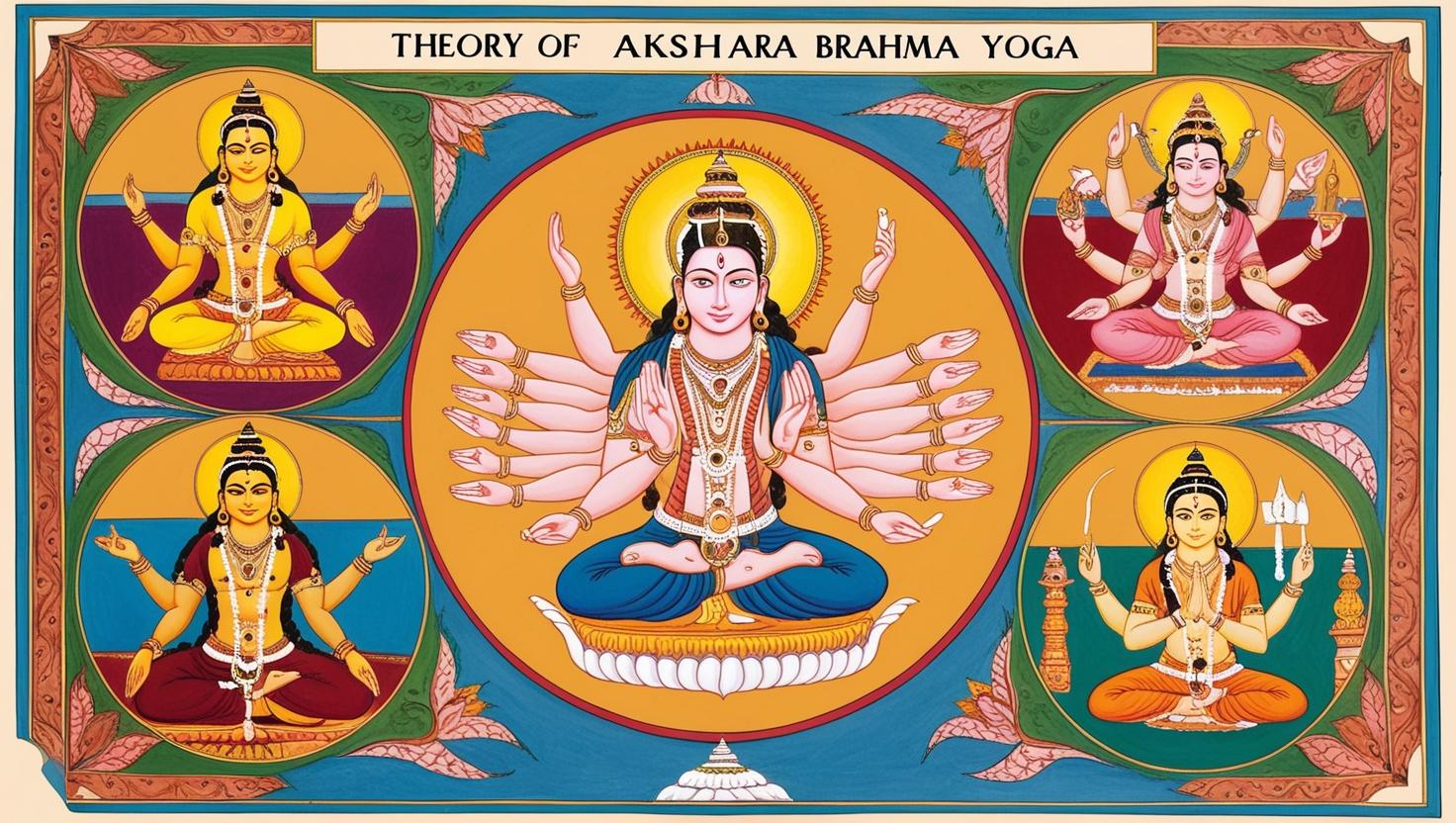
Vedanta Dindimā, meaning “Drumbeat of Vedanta,” boldly proclaims the non-dual truth of Advaita Vedanta. Authored by Jagadguru Shankaracharya Swami Bharati Tirtha Mahaswamiji, this poetic and contemplative text captures the spirit of Adi Shankaracharya’s teachings. Unlike analytical texts such as the Brahma Sutra Bhāṣya, this is designed for nididhyāsana (deep contemplation), not debate. Ideal for advanced seekers, each verse acts as a pointer to Self-knowledge, cutting through lingering doubts Click Here To Access more other text.
Why Study Vedanta Dindimā?
- Concise Yet Profound: 94 contemplative verses, each conveying a complete teaching.
- From Intellect to Realization: Bridges knowledge and direct inner recognition.
- Ideal for Daily Reflection: Each verse can uplift and clarify.
- Not Just Theory — Embodiment: Encourages living realization, not future attainment.
- Realization-Focused: Based on direct experience.
- Reveals Ever-Present Freedom: Points to the fact that one is already free.
- Complements Śravaṇa–Manana–Nididhyāsana: Especially supportive in the nididhyāsana phase Click view PDF.
How Many Times Should One Study It?
There is no fixed number. Suggested approach:
- First Reading: With a teacher or commentary for overall grasp.
- Second Reading: Slowly reflect and meditate on each verse.
- Daily Practice: 1–3 verses in meditation daily.
- Ongoing Reflection: Lifelong study, like the Bhagavad Gītā or Upadeśa Sāhasrī.
Selected Verses and Their Meaning
- Verse 1: śarīrūpagamyamātmā kevalamīyaḥ ekaṁ na jānanti
Meaning: The Self is not an object of perception. It alone is the changeless witness. - Verse 3: jñānena kevalenātmanaḥ muktiḥ na kāryā na prayojanyā
Meaning: Liberation is solely by Self-knowledge; not caused by action. - Verse 10: jñānānyena kā dṛśyatā na kāryaḥ mokṣaṇe kā cintā
Meaning: What is left to be done? Liberation needs no doing, only knowing. - Verse 33: brahma-jñānātma yaḥ jānāti saḥ eva sat-cit brahma-jñānī
Meaning: The one who realizes Brahman as the Self is the true knower Click view PDF.

Application & Practice Tips
- Begin the day by reciting/contemplating a verse.
- Record in your voice and replay during stillness.
- Use verses to begin or end your meditation.
- Pair with texts like Drg Drsya Viveka and Atma Bodha.
- Journal reflections on powerful verses.
Benefits of Studying Vedanta Dindimā
- Deepens Self-Realization: Direct recognition of Brahman.
- Stabilizes Knowledge: Reduces confusion and doubt.
- Cultivates Inner Peace: Mind settles in truth.
- Enhances Daily Practice: Practical and reflective.
- Boosts Confidence: Affirms one’s true nature.
- Clears Mental Obstacles: Dissolves misconceptions.
- Ideal for Advanced Seekers: Post-Śravaṇa-manana consolidation.
Appendices
Glossary of Key Terms:
- Jñāna – Knowledge
- Mokṣa – Liberation
- Vairāgya – Dispassion
- Sākṣī – Witness Self
- Mithyā – Apparent Reality
- Nitya – Eternal
Comparison with Other Texts:
- Vedanta Dindimā: Declarative, contemplative, for nididhyāsana.
- Atma Bodha: Didactic, beginner-friendly.
- Drg Drsya Viveka: Analytical, Seer-Seen discrimination Click view PDF.
Conclusion
Vedanta Dindimā is a spiritual proclamation: “You are Brahman.” It bridges intellectual understanding and direct realization. Through dedicated study, it transforms knowledge into abidance, dissolving doubts and anchoring the seeker in their true Self.