Introduction
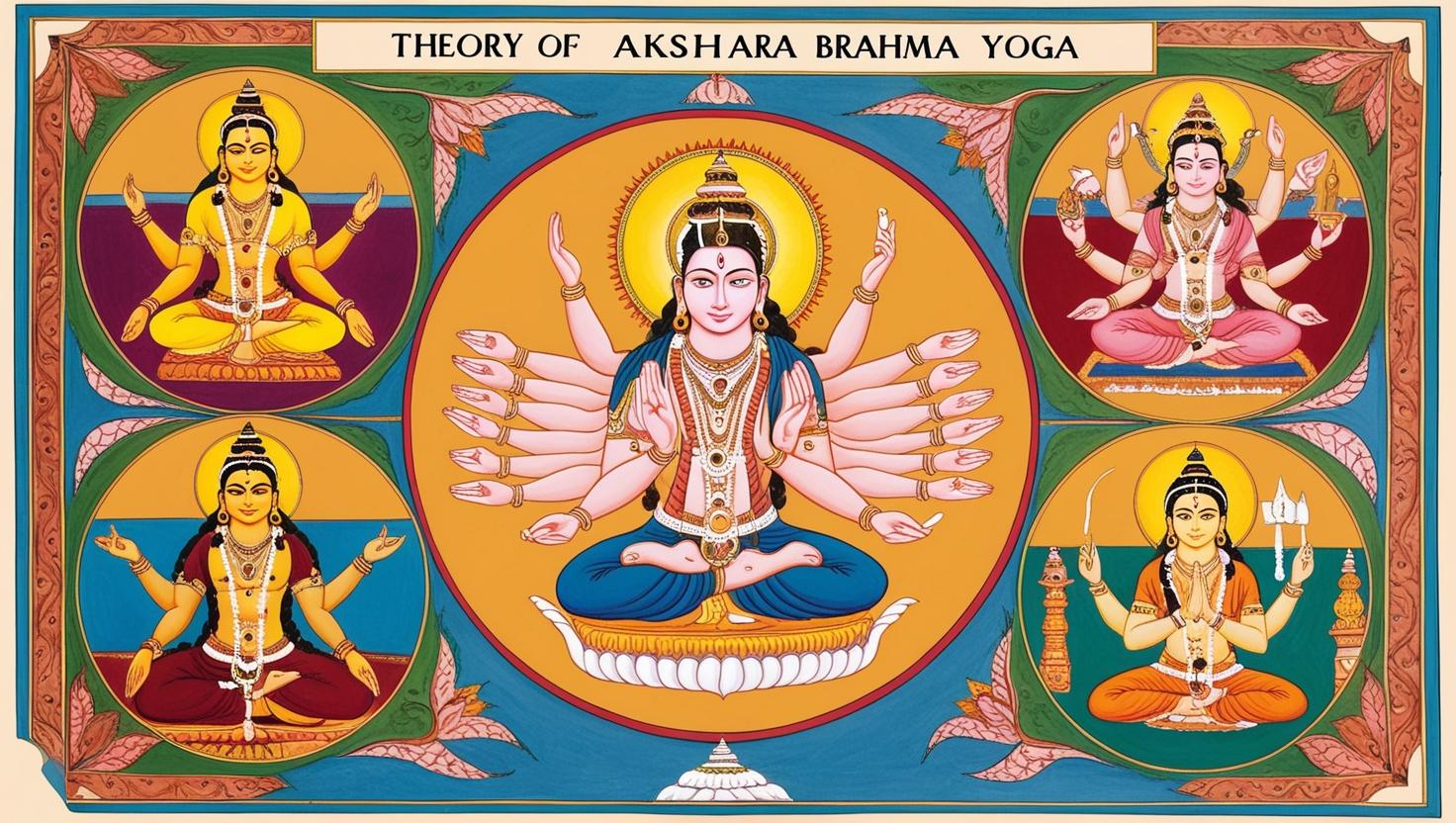
The Kish Mantra is regarded as the first and most fundamental mantra, a direct revelation of truth that transcends time, senses, and mental constructs. Rooted in the teachings of Lord Yama, this mantra guides seekers to the realization of Atma (the Self) as the timeless, sentient observer behind the body, mind, and senses. Unlike the physical body that perishes, or the mind that fluctuates, the Atma remains immutable, eternal, and self-luminous. The meditation on the Kish Mantra is not merely a ritual or chant — it is a pathway to Self-realization (Atma-Jnana). It teaches that the individual self (Jiva) and the Supreme Self (Brahman) are one, and realization of this oneness liberates the seeker from fear, death, and illusion. By internalizing this wisdom and practicing mantra-based meditation, practitioners can transcend the limitations of the senses, understand the nature of consciousness, and attain inner freedom. Click Here To More Detail.
Themes (Explained)
Atma as the Sentient Observer
- The Self is not an object of perception but the subject behind perception.
- The body and senses are inert; consciousness is the true experiencer.
Manifest and Unmanifest Realities
- Atma is the witness of both waking (Jagrat) and deep sleep (Sushupti) states.
- It transcends phenomena, existing beyond experience yet enabling all experience.
Timeless and Immutable Nature of Atma
- Atma exists beyond cause, effect, past, and future.
- It is unbound by time, unchanging amidst life’s transformations.
Unity of Individual and Supreme Self
- The mantra affirms that the Jiva (individual) and Brahman (Supreme) are one.
- Realizing this oneness dissolves illusions of separateness and duality.
Detachment from the Body and Senses
- The senses and body are tools, not the essence of Self.
- True identity lies in consciousness, not in sensory inputs or material form.
Liberation Through Self-Realization
- Identifying with Atma frees one from fear of death and impermanence.
- It opens the way to Moksha (liberation) and eternal peace. Click To Access For Video.
Keywords (Spiritual Context)
- Atma: The eternal, conscious Self beyond body and senses.
- Jiva: The individual self, appearing separate due to ignorance.
- Brahman: The Supreme, infinite Self — identical with Atma.
- Jagrat: The waking state of experience.
- Sushupti: The deep sleep state of unmanifest experience.
- Moksha: Liberation from ignorance, fear, and rebirth.
- Sakshi (Witness): The Self as pure observer of all states and phenomena.
- Timelessness: Freedom from past, future, cause, and effect.
Why Study
Studying and practicing the Kish Mantra is vital because:
- It reveals the true nature of Self beyond sensory and bodily identification.
- It provides a direct path to liberation by uniting Jiva and Brahman.
- It addresses existential questions about death, immortality, and the essence of life.
- It equips seekers with a practical meditative method to transcend illusions.
- It aligns daily practice with timeless spiritual truths found in Vedanta. Click To Access For Video.
Benefits
- Freedom from Fear of Death – By realizing the Self as immortal, one overcomes anxiety about mortality.
- Deep Inner Peace – Detachment from body and senses leads to serenity.
- Liberation from Illusion (Maya) – Understanding the Self as witness dissolves worldly confusion.
- Fearlessness and Strength – Awareness of eternal Self gives courage to face challenges.
- Clarity of Consciousness – Seeing beyond waking and sleep states brings higher wisdom.
- Oneness and Compassion – Recognizing unity of all beings fosters love and non-violence.
- Spiritual Fulfillment – Direct experience of Atma as Brahman leads to bliss and Moksha.

How Many Times to Study/Practice Per Day
Beginners:
- 1 session daily (10–15 minutes).
- Chant the mantra softly and reflect on “I am Atma, eternal and unchanging.”
Intermediate Practitioners:
- 2 sessions daily (morning and evening, 20–30 minutes).
- Include mantra chanting + silent witnessing of thoughts.
Advanced Seekers:
- 3 sessions daily (sunrise, midday, evening; 30+ minutes each).
- Integrate mantra chanting, meditation on states (waking, dream, sleep), and reflection on non-duality.
👉 Note: More than duration, consistency and sincerity are key. Daily repetition engrains realization in both intellect and heart. Click To Access For Video.
Conclusion
The Kish Mantra meditation is a timeless doorway to Self-realization. It teaches that the Atma, the eternal witness, is distinct from the body, mind, and senses — yet identical with the Supreme Self (Brahman). By chanting and meditating on this mantra, one dissolves illusions of separateness, transcends fear of death, and awakens to the truth of immortality. This practice is not confined to philosophy but is a living, transformative method. It enables seekers to live with clarity, courage, and compassion, rooted in the knowledge that they are pure, timeless consciousness — the one light shining through all beings.