Overview of Brghu Valli
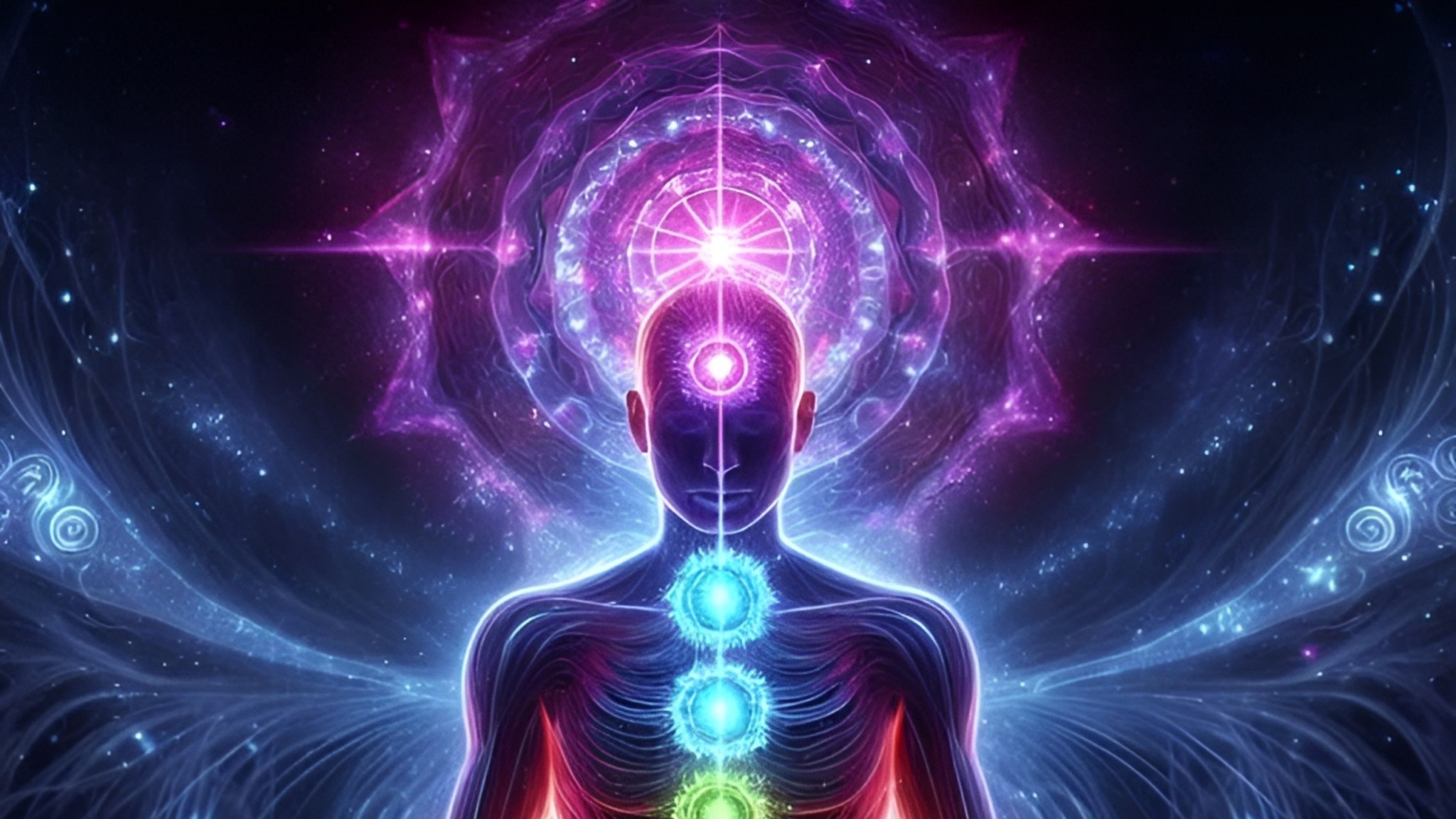
Brghu Valli, the third chapter of the Taittiriya Upanishad, records Sage Brghu’s inquiry into the nature of Brahman under the guidance of his father, Varuna. This chapter focuses on the direct experience of the Self through progressive inquiry, meditation, and realization of the underlying unity behind all phenomena. It emphasizes that Brahman is not only the source of creation but also the inner essence of every being, manifesting through the five sheaths (annamaya, pranamaya, manomaya, vijnanamaya, anandamaya). The chapter combines theoretical knowledge with practical methods, guiding the seeker to discern the subtle layers of existence, culminating in the blissful awareness of the Self. Brghu Valli also stresses supportive spiritual practices, such as ethical conduct, reverence for guests, and meditation on cosmic forms, to prepare the mind for ultimate realization. The chapter ultimately reveals that liberation and supreme bliss are achieved by recognizing one’s identity with Brahman while living in the world. For More Information Click Here
Theme and Teachings of Brghu Valli
The central theme of Brghu Valli is direct inquiry into the Self and realization of Brahman. It teaches that true knowledge arises not from external rituals alone but from understanding the layers of existence and recognizing the eternal Self within. Through the five sheaths (annamaya to anandamaya), the seeker progressively discerns the gross, subtle, and blissful aspects of life, moving toward the essence of Brahman. The Upanishad emphasizes that meditation, ethical conduct, and reverence for guests and teachers purify the mind, making it capable of perceiving unity behind multiplicity. Brghu Valli also shows that experiential wisdom, rather than mere intellectual understanding, is key to liberation. Ultimately, the chapter guides the seeker from preparatory practices to direct realization, culminating in inner peace, bliss, and oneness with the cosmos.

Verse-by-Verse Summary of Brghu Valli
Anuvaka 1 – Brghu approaches his father, Varuna, asking about the ultimate reality, seeking knowledge of Brahman.
Anuvaka 2 – Varuna instructs Brghu to meditate on the food (annamaya) as the first manifestation of Brahman, the source of all sustenance.
Anuvaka 3 – The life-force (pranamaya) is revealed as the second aspect of Brahman, sustaining all living beings.
Anuvaka 4 – Mind (manomaya) is identified as the third sheath, through which perception, thought, and action occur.
Anuvaka 5 – Intellect (vijnanamaya) is the fourth sheath, enabling discrimination, understanding, and recognition of the Self.
Anuvaka 6 – Bliss (anandamaya) is the fifth and subtlest sheath, representing the closest reflection of Brahman within.
Anuvaka 7 – Brghu learns that meditation on these sheaths gradually leads to realization of the eternal Self, beyond body and mind.
Anuvaka 8 – Ethical conduct, reverence for teachers, and service to guests are emphasized as essential supportive practices.
Anuvaka 9 – Meditation on cosmic forms (virat) and natural forces (adhidaivika) helps the seeker understand Brahman in all manifestations.
Anuvaka 10 – The culmination: the seeker who realizes Brahman through knowledge and meditation attains liberation, supreme bliss, and unity with the cosmic Self. For More Information Click Here

Shankaracharya’s Insights on Brghu Valli
According to Adi Shankaracharya, Brghu Valli emphasizes that direct knowledge of Brahman arises from systematic inquiry and meditation on the self. He explains that the five sheaths (Panca Kosha) represent progressive layers of human existence, and realization of each sheath leads the seeker closer to the ultimate reality. Shankaracharya highlights that starting from the gross (food) and moving inward to life-force, mind, intellect, and bliss, one gradually discerns the true Self beyond all limitations. He interprets the guidance on ethical living, reverence for teachers, and service to guests as preparatory practices that purify the mind for higher knowledge. Meditation on cosmic and natural forms helps the seeker recognize Brahman in all manifestations. Ultimately, Shankaracharya teaches that Brghu Valli shows the path to Jivanmukti—liberation while living—where the realized soul abides in bliss, free from fear, and united with the infinite Brahman. For More Information Click Here

Conclusion of Brghu Valli
Brghu Valli guides the seeker from inquiry to direct realization of Brahman, emphasizing the progressive understanding of the five sheaths—from the physical body to the blissful essence. It shows that ethical conduct, meditation, and reverence for teachers and guests prepare the mind for perceiving the eternal Self. By recognizing the underlying unity in all manifestations of the cosmos, the seeker transcends identification with body, mind, and intellect, attaining supreme bliss and liberation. Shankaracharya highlights that this chapter exemplifies Jivanmukti, where one experiences freedom and inner peace while living in the world. In essence, Brghu Valli completes the journey started in Siksa and Brahmanda Vallis, revealing that self-realization and unity with Brahman are the ultimate goals of human life.
Join Our Classes:
The Upanishads are more than just ancient texts—they are timeless guides to living with clarity, balance, and inner peace. Our classes make their profound wisdom easy to understand and apply in everyday life. Join us to explore these teachings and discover a new way of seeing yourself and the world!