Yogatattva Upanishad: Yogic Discipline as the Path to Self-Realization
The Yogatattva Upanishad is a Yoga Upanishad that presents a systematic and practical exposition of yogic discipline as the means to Self-realization. It emphasizes purification of the body and mind through ethical conduct, posture, breath control, and control of the senses. The text explains various stages of Yoga, guiding the practitioner from external discipline to inner meditation. It highlights the importance of pranayama and concentration in removing impurities and steadying the mind. Through sustained practice, the yogi transcends bodily identification and mental fluctuations. Ultimately, the Upanishad teaches that realization of the Self through Yoga leads to liberation, peace, and inner bliss. For More Information Click Here
Structure and Yogic Framework of the Yogatattva Upanishad
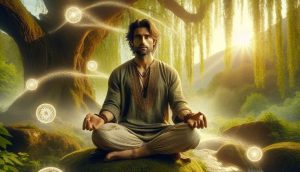
The Yogatattva Upanishad consists of one chapter and contains about 142 verses. This single chapter presents a complete and systematic teaching of Yoga as a means to Self-realization. It begins by explaining the purpose of Yoga and the necessity of purifying the body and mind through ethical discipline and self-control. The text then elaborates on yogic practices such as āsana, prāṇāyāma, pratyāhāra, dhāraṇā, and dhyāna, describing their effects on the practitioner. Special emphasis is placed on breath control and inner purification as tools to remove ignorance and mental disturbances. The chapter gradually leads the seeker from external practice to deep meditation and inner absorption. Ultimately, it teaches that mastery of Yoga results in realization of the Self and attainment of liberation.
Key Verses and Yogic Insights of the Yogatattva Upanishad
-
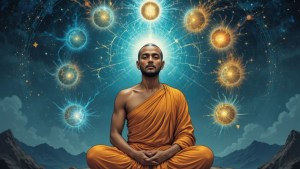
“Yoga is the means by which the mind becomes steady and the Self is realized.”
Meaning: Control and purification of the mind through Yoga lead directly to knowledge of the true Self. -
“Through pranayama, all impurities of the body and mind are destroyed.”
Meaning: Regulated breathing purifies the subtle channels, removes inner obstacles, and prepares the seeker for meditation. -
“When the senses are withdrawn and fixed in the heart, the yogi attains inner stillness.”
Meaning: Sense control and inward focus bring mental calm and spiritual clarity. -
“Meditation destroys ignorance and reveals the radiant nature of the Self.”
Meaning: Sustained meditation removes false identification and unveils pure consciousness. -
“He who knows the Self through Yoga is freed from birth, death, and sorrow.”
Meaning: Self-realization attained through yogic discipline leads to liberation and freedom from samsāra.
These verses highlight the Upanishad’s central emphasis on Yoga, purification, pranayama, meditation, and liberation through Self-knowledge. If you’d like, I can also provide a heading for this section or move on to the conclusion. For More Information Click Here

Core Teachings and Spiritual Essence of the Yogatattva Upanishad
The Yogatattva Upanishad teaches that Yoga is the direct path to realizing the true nature of the Self. It emphasizes purification of the body, breath, and mind as the foundation of spiritual progress. Through disciplined practice of posture, breath control, and sense withdrawal, the mind becomes steady and focused. The Upanishad highlights pranayama as a powerful means to remove inner impurities and awaken clarity. Sustained meditation leads the practitioner beyond bodily identification and mental fluctuations. Ultimately, realization of the Self through Yoga brings liberation, inner peace, and lasting bliss. For More Information Click Here
Conlusion
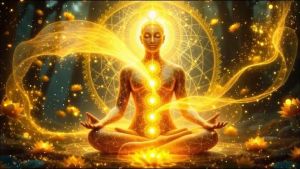
In conclusion, the Yogatattva Upanishad presents Yoga as a complete and practical path to Self-realization and liberation. It emphasizes purification of the body, breath, and mind through disciplined yogic practices. By mastering posture, breath control, sense withdrawal, and meditation, the seeker overcomes ignorance and mental disturbances. The Upanishad highlights pranayama as a powerful tool for inner cleansing and clarity. Through sustained practice, the practitioner transcends identification with the body and mind. Ultimately, the text affirms that realization of the Self through Yoga leads to freedom, peace, and eternal bliss.
Join Our Classes:
The Upanishads are more than just ancient texts—they are timeless guides to living with clarity, balance, and inner peace. Our classes make their profound wisdom easy to understand and apply in everyday life. Join us to explore these teachings and discover a new way of seeing yourself and the world!