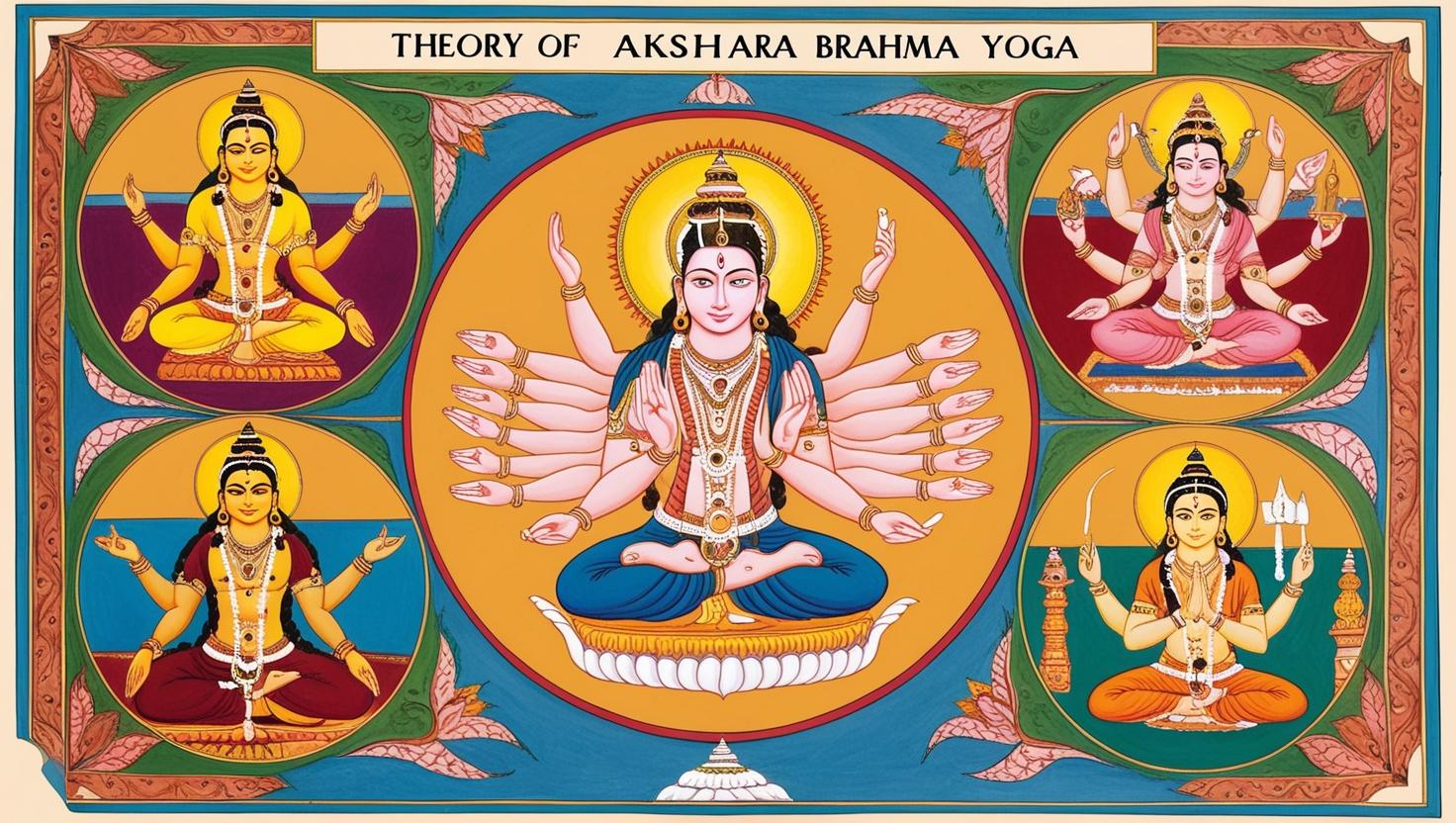
Chapter 1 – Section 3 (17 verses) Overview
This section continues Yama’s teaching by expanding on the chariot metaphor, showing how control of the senses and mind leads to realization of the Self. The hierarchy of existence is detailed, moving from senses to objects, mind, intellect, Self, and ultimately the supreme Purusha beyond all. Yama emphasizes that the Self is not attained by the careless or undisciplined but only by one with steady discrimination and inner purity. The immortal Self is ever-present, untouched by birth and death, and can only be grasped by turning inward. The wise who perceive this reality transcend sorrow and the cycle of samsara. This section therefore brings together discipline, inner vision, and the ultimate truth of the eternal Self. For More Information Click Here

Theme and Importance of Chapter 1 – Section 3
The main theme of this section is self-mastery and the realization of the immortal Self. It emphasizes that the senses, mind, and intellect must be disciplined and harmonized to perceive the eternal Atman. The chariot metaphor teaches the proper relationship between body, senses, mind, intellect, and Self, showing that only through control and guidance can one reach liberation. The importance of this section lies in linking practical self-discipline with spiritual knowledge, illustrating that moksa is attained not through rituals or external means, but through inner realization and understanding of the ultimate Purusha. It provides a concise yet profound roadmap for seekers aiming for immortality and freedom from samsara.

Chapter 1 – Section 3: Verse-by-Verse Summary (17 Verses)
- Yama reiterates the chariot metaphor, comparing the body to a chariot.
- The senses are the horses, the mind the reins, and the intellect the charioteer.
- The Self (Atman) is the passenger, the ultimate master of the chariot.
- If the intellect guides the mind and controls the senses, the chariot reaches its goal.
- Otherwise, uncontrolled senses drag the mind into distraction and suffering.
- The wise restrain desires and focus the mind inward to perceive the Self.
- The Self is subtle, eternal, and beyond the grasp of ordinary perception.
- It is imperishable, not born, and unaffected by decay or death.
- Knowledge of the Self brings freedom from sorrow and fear.
- The ignorant remain entangled in worldly attachments and the cycle of birth and death.
- Meditation and discipline refine the mind, preparing it to recognize the Self.
- By understanding the hierarchy—senses, mind, intellect, Self—the seeker attains control.
- The wise recognize that the Self is beyond all dualities and opposites.
- The eternal Self is ever-present, witnessing all but unaffected by worldly events.
- Realization of the Self leads to bliss and liberation.
- Yama emphasizes that only the disciplined and discerning attain this knowledge.
- The section concludes that knowledge of the immortal Self is the supreme goal, leading beyond all sorrow. For More Information Click Here
Shankaracharya’s Insights on Chapter 1 – Section 3
Shankaracharya explains that the chariot metaphor illustrates the proper relationship between body, senses, mind, intellect, and Self. The senses, if uncontrolled, drag the mind into bondage, while a disciplined intellect leads the seeker to liberation. He emphasizes that the Self (Atman) is subtle, eternal, and beyond sensory perception. Only through meditation, self-discipline, and discrimination can one realize this immortal Self. The ignorant, attached to worldly pleasures, remain in samsara, while the wise transcend it. Shankara highlights that knowledge of the Self brings ultimate bliss and freedom from fear. The hierarchy from senses to intellect to Self underscores the need for inner mastery. This section, therefore, teaches both practical discipline and philosophical insight necessary for moksa. For More Information Click Here
Conclusion
Chapter 1 – Section 3 of the Katha Upanishad consolidates Yama’s teachings on self-discipline, inner mastery, and realization of the immortal Self. The chariot metaphor illustrates how the body, senses, mind, and intellect must work in harmony under the guidance of discernment to reach liberation. The section emphasizes that the Self is subtle, eternal, and beyond sensory perception, attainable only through meditation, discrimination, and inner purity. By highlighting the contrast between the ignorant and the wise, it shows that moksa is the ultimate goal, transcending sorrow, fear, and the cycle of birth and death. This final section of Chapter 1 prepares the seeker for deeper philosophical inquiry in the subsequent sections of the Upanishad.
Join Our Classes:
The Upanishads are more than just ancient texts—they are timeless guides to living with clarity, balance, and inner peace. Our classes make their profound wisdom easy to understand and apply in everyday life. Join us to explore these teachings and discover a new way of seeing yourself and the world!