Introduction
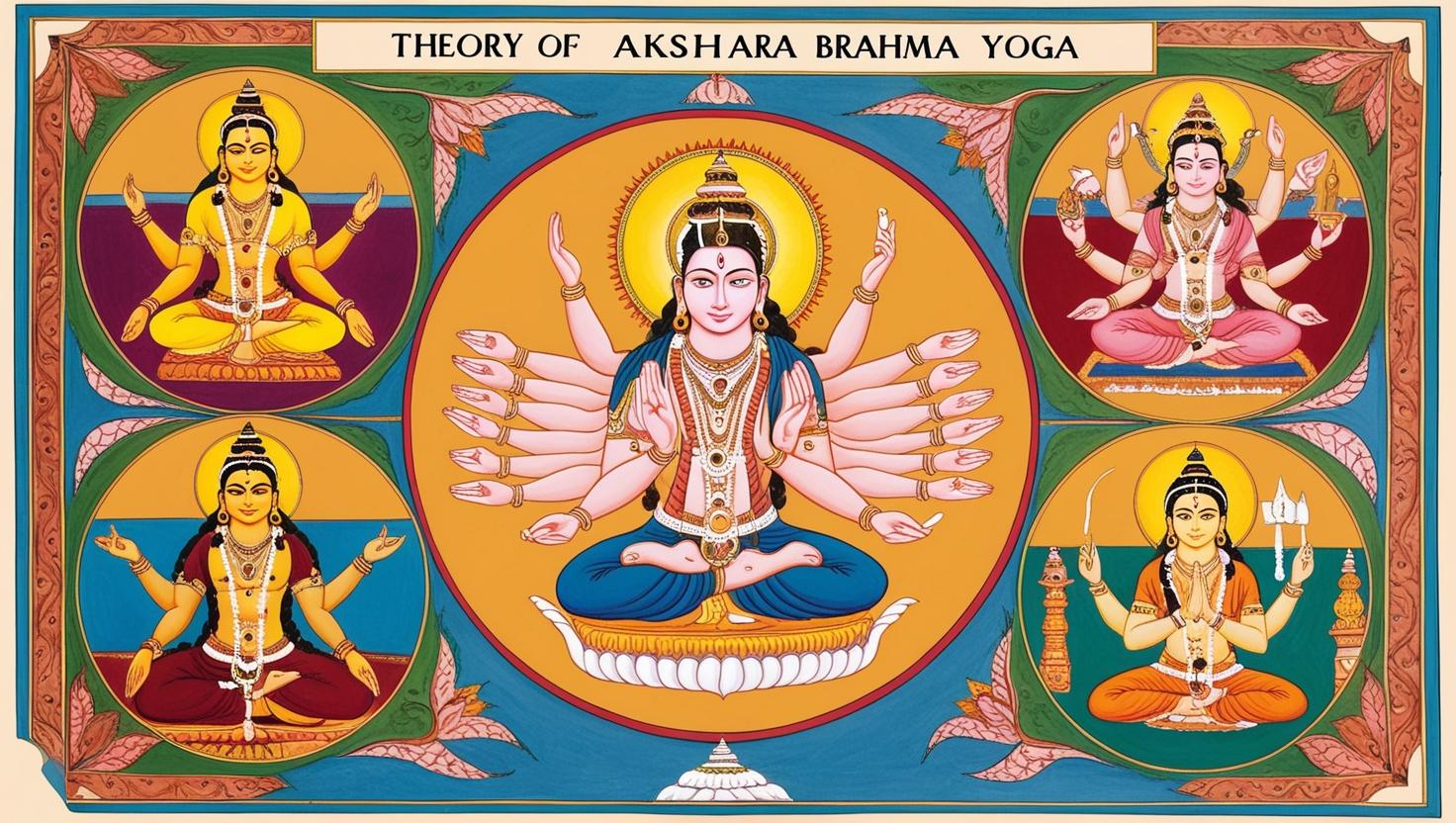
Bhagavad-Gītā Bhāṣyam – Chapter 10 (Vibhūti-Yoga) presents Śrī Kṛṣṇa’s majestic revelation of His divine manifestations (vibhūtis), intended to deepen the seeker’s understanding of the all-pervasive nature of Brahman. In this chapter, the Lord explains how the entire universe is sustained, illumined, and governed by His power alone. Ādi Śaṅkarācārya clarifies that this chapter is not meant to establish devotion to a personal form as the ultimate goal, but rather to support steadfast contemplation (upāsanā) leading to non-dual knowledge (jñāna). The enumeration of divine glories helps purify the mind, remove doubt, and strengthen conviction in the non-separate reality of Brahman. Chapter 10 follows the teaching of Bhakti combined with Knowledge introduced in Chapter 9, and serves as a contemplative aid for those whose minds are not yet prepared for direct inquiry into the attributeless Absolute (nirguṇa Brahman). Click Here To Access more other text.

Central Focus of Chapter 10
Śaṅkara explains that Vibhūti-Yoga emphasizes:
-
The Lord as the inner Self of all beings
-
The universe as an expression of one Conscious Reality
-
Devotion rooted in right understanding
-
Meditation on divine excellence as a means to mental purity
This chapter helps the seeker see unity behind diversity, preparing the intellect for the direct realization of Brahman. Click view PDF.
Sanskrit Text (Devanāgarī)
अहं सर्वस्य प्रभवो
मत्तः सर्वं प्रवर्तते ।
इति मत्वा भजन्ते मां
बुधा भावसमन्विताः ॥ १०.८ ॥
Transliteration
ahaṁ sarvasya prabhavo
mattaḥ sarvaṁ pravartate |
iti matvā bhajante māṁ
budhā bhāva-samanvitāḥ || 10.8 ||
Word-by-Word Meaning
अहम् (aham) – I
सर्वस्य (sarvasya) – of all
प्रभवः (prabhavaḥ) – the source, origin
मत्तः (mattaḥ) – from Me
सर्वम् (sarvam) – everything
प्रवर्तते (pravartate) – proceeds, functions
इति (iti) – thus
मत्वा (matvā) – having known
भजन्ते (bhajante) – worship, adore
माम् (mām) – Me
बुधाः (budhāḥ) – the wise
भाव-समन्विताः (bhāva-samanvitāḥ) – endowed with understanding and devotion
English Translation
“I am the source of all; from Me everything proceeds.
Knowing thus, the wise worship Me with clear understanding.”
Brief Context Note (Optional for Study)
Śaṅkara explains that worship (bhajana) here does not mean ritualistic devotion alone, but steady contemplation grounded in knowledge. The “wise” are those who recognize that all names and forms are manifestations of one Conscious Reality, not separate entities.
Key Philosophical Teachings
Nature of the Supreme Reality
-
Brahman alone is the cause, sustainer, and essence of the universe.
-
All excellence, power, and beauty arise from Brahman.
-
The Lord speaks as Īśvara, the conditioned standpoint of Brahman for the sake of instruction.
Śaṅkara emphasizes that these manifestations are pedagogical aids, not the final truth.
Knowledge-Based Devotion (Jñāna-Bhakti)
-
True devotion arises from understanding, not emotion alone.
-
Knowledge strengthens devotion; devotion stabilizes the mind for knowledge.
-
Devotion culminates in identity with Brahman, not dualistic worship.
Vibhūtis as Meditative Supports
-
The Lord lists His glories to help the mind focus on the Infinite.
-
Each excellence in the world points to one underlying Consciousness.
-
Meditation on vibhūtis leads the seeker from many to One.
Śaṅkara is explicit: these glories are symbolic indicators, not absolute realities.
Role of Grace and Effort
-
The Lord bestows clarity on those who seek knowledge sincerely.
-
Grace operates through removal of ignorance, not external reward.
-
Self-knowledge alone destroys bondage.
Doctrine of Non-Difference
Śaṅkara repeatedly reinforces:
-
There is no existence apart from Brahman.
-
The perceiver, perceived, and process of perception are rooted in Consciousness.
-
Diversity is empirical; unity is absolute. Click view PDF.
Key Points in Chapter 10
-
Brahman is the source of all manifestations
-
Devotion grounded in knowledge is emphasized
-
Vibhūtis serve as contemplative aids
-
Unity is revealed through diversity
-
Leads the seeker toward non-dual realization Click view PDF.

Benefits of Studying Chapter 10 with Śaṅkara’s Bhāṣya
Strengthening Conviction (Niścaya)
Removes doubt regarding the all-pervasive nature of Brahman.
Integration of Bhakti and Jñāna
Shows that devotion and knowledge are not opposed, but complementary.
Purification of the Mind
Meditation on divine glories refines perception and reduces ego-centricity.
Preparation for Higher Vision
Prepares the intellect for the cosmic vision of Chapter 11 and deeper inquiry.
Major Themes Covered
Vedāntic Vision
-
One Reality appearing as many
-
Brahman as inner ruler (antaryāmin)
-
Apparent multiplicity resolved in non-duality
Devotion Redefined
-
Bhakti as steady contemplation
-
Emotional devotion elevated to wisdom
Spiritual Psychology
-
Admiration dissolves ego
-
Wonder becomes inquiry
-
Inquiry culminates in knowledge Click view PDF.
How to Study Chapter 10 Effectively
Recommended Method
-
Read each vibhūti slowly
-
Reflect on the underlying unity
-
Avoid literalism; seek symbolic meaning
-
Correlate with Upaniṣadic teachings
-
Revisit Śaṅkara’s commentary carefully
Study Pace
-
Few verses per session
-
Emphasis on contemplation
-
Internal assimilation over memorization Click view PDF.

Why Chapter 10 Is Important
Philosophical Reason
It demonstrates how Saguna Brahman points toward Nirguna Brahman.
Practical Reason
It trains the mind to perceive the sacred in everyday experience.
Spiritual Reason
It converts wonder into wisdom and devotion into realization.
Conclusion
Bhagavad-Gītā Bhāṣyam – Chapter 10 (Vibhūti-Yoga) transforms the seeker’s perception of the world. Through Śaṅkarācārya’s lucid exposition, divine manifestations are revealed not as separate miracles, but as expressions of one limitless Consciousness. This chapter refines devotion into knowledge and prepares the aspirant for the direct vision of Truth. When studied with discernment, it dissolves fragmentation and establishes the seeker in reverence for the One Reality appearing as all
Join Our Classes:
The Bhagavad Gita is more than just a book—it’s a guide to living with balance and peace. Our classes make its deep wisdom easy to understand and apply in everyday life. Join us to explore the teachings and see the world in a new light!