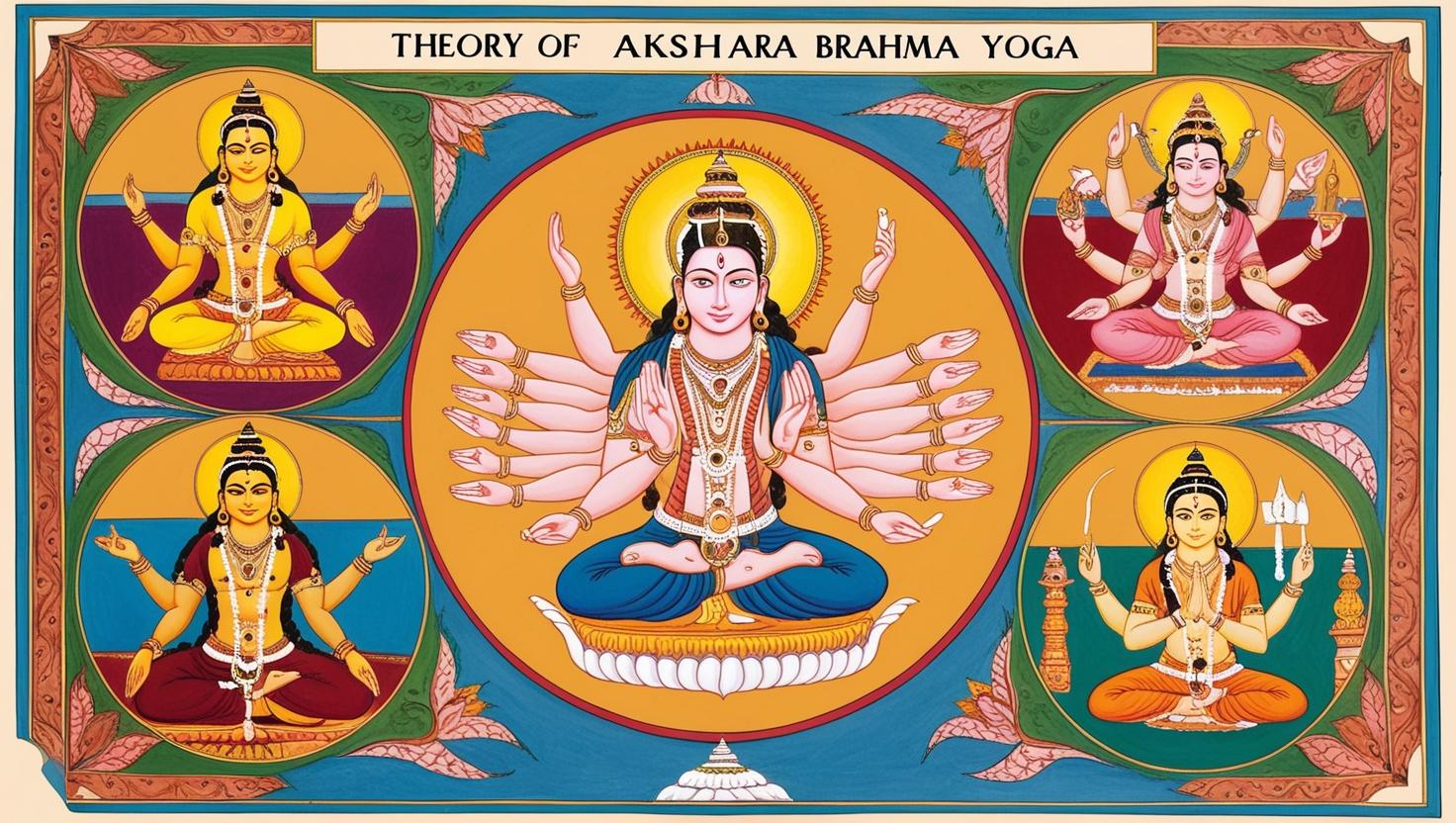
Lord Siva as Sarabha: Divine Power, Protection, and Liberation
The Sarabha Upanishad explores the cosmic form of Lord Siva as Sarabha, a fierce, transcendent being who pacifies destructive forces and restores cosmic balance. It emphasizes the supreme power of the deity in subduing ignorance, ego, and negative tendencies in devotees. The Upanishad presents symbolic descriptions of Sarabha’s form, highlighting his divine attributes and energies that protect dharma and guide spiritual seekers. It teaches that meditation on this form cultivates courage, inner strength, and spiritual insight. The text connects devotion with knowledge, showing that surrender to the divine leads to purification and liberation. Ultimately, it affirms that realization of Siva in his Sarabha aspect helps the devotee transcend dualities and attain moksa. For More Information Click Here
Sarabha Upanishad: Symbolism, Divine Power, and Path to Liberation
The Sarabha Upanishad is a Shaiva Upanishad associated with the Atharva Veda. It consists of a single chapter containing more than 35 verses. Despite its brevity, the Upanishad conveys the essential philosophy and symbolic depiction of Lord Siva in his Sarabha form. Since it has only one chapter, the Upanishad presents its teachings as a continuous exposition. The chapter describes the form, attributes, and powers of Sarabha, emphasizing his role in subduing destructive forces and restoring cosmic balance. It connects the deity’s fierce form to the overcoming of ego, ignorance, and negative tendencies in the devotee. The text also explains that meditation and devotion to Sarabha cultivate inner strength, courage, and spiritual insight. Finally, it asserts that surrender and contemplation of this form lead to purification and liberation (moksa).

Key Verses on Sarabha’s Divine Power, Meditation, and Liberation
- On the nature of Sarabha: “Sarabha, the fierce and transcendent form of Siva, subdues all destructive forces and protects the cosmos.”
- Meaning: Sarabha represents the divine power that restores balance and safeguards dharma.
- On devotion and meditation: “Meditate upon Sarabha with unwavering devotion; this purifies the mind and removes ego and ignorance.”
- Meaning: Focused contemplation and devotion lead to inner purification and clarity.
- On divine attributes: “His eyes shine like the sun, his form is majestic, and his energy pervades all beings.”
- Meaning: The symbolic description emphasizes omnipresence, power, and protective energy.
- On spiritual strength: “Those who meditate on Sarabha gain courage, inner strength, and spiritual insight.”
- Meaning: Contemplation of the deity strengthens moral and spiritual qualities.
- On liberation: “He who surrenders to Sarabha and realizes his form attains freedom from all bondage.”
- Meaning: True surrender and recognition of the cosmic form lead to moksa.
These verses encapsulate the Upanishad’s essence: Siva as Sarabha, meditation, purification, inner strength, and liberation. For More Information Click Here
Sarabha Upanishad: Divine Power, Inner Strength, and Path to Liberation
The Sarabha Upanishad teaches that Lord Siva, in his fierce Sarabha form, embodies supreme power that protects dharma and overcomes destructive forces. It emphasizes that meditation on this divine form purifies the mind and removes ego, ignorance, and negative tendencies. Devotion to Sarabha cultivates courage, inner strength, and spiritual insight, enabling the seeker to face challenges with equanimity. The Upanishad highlights that symbolic understanding of Sarabha’s attributes leads to realization of the Self within. True surrender and contemplation of the deity guide the devotee toward inner transformation. Ultimately, it affirms that recognition of Sarabha as the cosmic protector leads to liberation and moksa. For More Information Click Here

Conclusion
The Sarabha Upanishad concludes by affirming that Lord Siva, in his fierce Sarabha form, embodies supreme power that protects dharma and guides devotees toward liberation. It emphasizes that meditation and devotion to Sarabha purify the mind, dissolve ego and ignorance, and cultivate inner strength and spiritual insight. The Upanishad presents symbolic descriptions of Sarabha’s form to inspire courage and steadfastness in seekers. True surrender and contemplation of this divine aspect lead to Self-realization and moksa, enabling the devotee to transcend dualities and worldly limitations. In essence, the text highlights that the recognition of Sarabha as the cosmic protector is both a path and a means to ultimate freedom.
Join Our Classes:
The Upanishads are more than just ancient texts—they are timeless guides to living with clarity, balance, and inner peace. Our classes make their profound wisdom easy to understand and apply in everyday life. Join us to explore these teachings and discover a new way of seeing yourself and the world!