
Chapter 13 – Kṣetra-Kṣetrajña Vibhāga Yoga
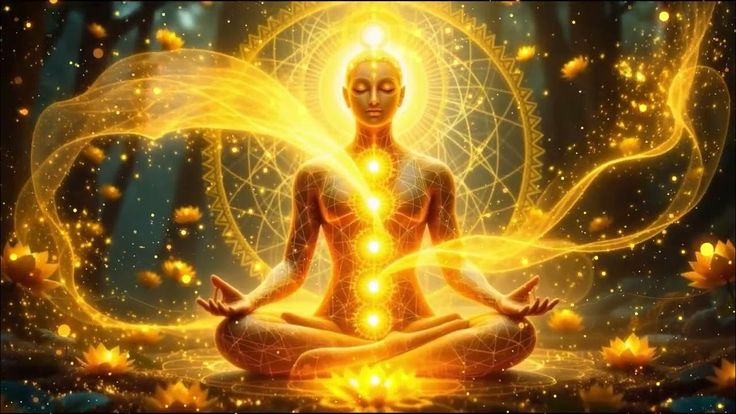
Chapter 13 of the Bhagavad Gita contains 35 verses and explains one of the most important philosophical teachings of the Gita: the difference between the “field” (kṣetra) — our body-mind complex and world of experience — and the “knower of the field” (kṣetrajña) — consciousness or the true Self. Krishna reveals how discriminative knowledge between what changes and what does not changes leads to freedom from suffering and the realization of the Supreme.
This chapter is a bridge between practical action (karma) and metaphysical wisdom (jnāna) — teaching seekers how to know themselves as distinct from the body, mind, and material nature. Click Here To Access more other text.

Meaning of Kṣetra-Kṣetrajña Vibhāga Yoga
-
Kṣetra — literally field; that which is experienced (body, senses, mind, objects).
-
Kṣetrajña — the knower of the field; pure consciousness or Self.
-
Differentiating these two is necessary for true self-knowledge (ātma-jñāna).
Wisdom is not simply intellectual — it is the inner realization that the Self is not the body, thoughts, or senses, but the consciousness that witnesses them. Click view PDF.
Significance of Chapter 13
Chapter 13 is significant because it:
-
Defines what is perceived (field) and who perceives (knower)
-
Explains the true nature of knowledge and ignorance
-
Describes the Supreme Reality that pervades all fields
-
Teaches the qualities that lead to liberation
-
Shows how to live in the world without being bound by it
This chapter distills the essence of Vedantic discrimination (viveka) — the ability to distinguish the eternal from the transient. Click view PDF.
Verse & Meaning
Verse 13.1 – Arjuna’s Question
Sanskrit
अर्जुन उवाच |
एतदृशं प्रत्यक्षं पापानां प्रबन्धनम् ।
कर्मणामर्हति बुद्ध्याश्च कीं नोऽत्र संशयः ॥ १ ॥
Meaning
Arjuna said:
“O Krishna, I wish to know what is the field, what is the knower of the field, what is knowledge, and what is the object of knowledge. Please explain this without doubt.”
Teaching
-
Arjuna now seeks philosophical clarity on identity and experience
-
This question paves the way for self-inquiry Click view PDF.

Verse 13.2 – Definition of Field
Sanskrit
श्रीभगवानुवाच |
इदं शरीरं कौन्तेय क्षेत्रमित्यभिधीयते ।
एतद्यो वेत्ति मां बुद्धिर्ज्ञानं तेऽहं प्रवक्ष्यामि ॥ २ ॥
Meaning
The Blessed Lord said:
“This body, O Arjuna, is called the field (kṣetra). I shall now reveal to you the nature of the knower of the field and the knowledge thereof.”
Teaching
-
The field is the body and everything that can be known through it
-
It includes senses, mind, and objects Click view PDF.
Verse 13.3 – The Knower of the Field
Sanskrit
एतद्यो वेत्ति जन्मकर्मो विद्ध्यनावृत्तकर्मा ।
कृत्स्नकर्मफलप्राप्त्येति तं विद्धि भारतीय ॥ ३ ॥
Meaning
One who knows this field with wisdom and recognizes that birth and action result in fruit and rebirth — such a one is truly learned.
Teaching
-
Real knowledge includes the law of karma and rebirth
-
Awareness of consequences transforms behavior
Verse 13.4–5 – Composition of the Field
Sanskrit
क्षेत्रज्ञं चापि मां विद्धि सर्वक्षेत्रानुपलब्धनम् ।
क्षेत्रक्षेत्रज्ञयोर्ज्ञानं यत्तज्ज्ञानं मतं मतम् ॥ ४–५ ॥
Meaning
And the knower of the field, know Me also — because I am the knower of all fields. The knowledge of both field and knower is what I call true knowledge.
Teaching
-
God is the ultimate knower behind all individual knowers
-
True wisdom sees both the field and the witness Click view PDF.
Verse 13.6–7 – What Is Included in the Field
Sanskrit
एषा ब्राह्मी स्थितिः पापयोऽपि च सान्त्वना ।
ध्यानावस्थितोऽयं देवो मामेव मे प्रसीद विभो ॥ ६ ॥
Meaning (Summary)
Krishna explains that all perceptible experience — body, senses, mind, intellect, ego, and identities — form the field.
Teaching
-
The field is everything that can be experienced or known
-
It includes thoughts, emotions, and perceptions Click view PDF.
Verse 13.8–12 – Qualities of a Seeker of Truth
Sanskrit
नात्यश्नतस्तु योगोऽस्ति न चैकान्तमनश्नतः ।
न चैतन्मनविदोऽभ्यासात् कर्म प्रचक्षते ॥ ८ ॥
Meaning (Summary)
Krishna describes the inner qualities of one who is wise — such as humility, non-violence, forgiveness, straight conduct, absence of pride, non-attachment, and dispassion. These qualities show the transformation of character when knowledge ripens.
Teaching
-
Knowledge without character is incomplete
-
Inner refinement is the fruit of discrimination

Verse 13.13–19 – Object of Knowledge
Sanskrit
एष सर्वभूतस्थो जीवोऽव्यक्तोऽक्षर एव च ।
एष प्राणो सर्वभूतानामहेत्वार्थगतः प्रत्ययः ॥ १३ ॥
Meaning
This eternal Self dwelling in all beings is imperishable, unmanifest, and beyond expression. It is the life force of all beings, the source of memory and understanding.
Teaching
-
The Self is eternal witness consciousness
-
It is distinct from the body and mind Click view PDF.
Verse 13.20–23 – Supreme Reality and Release
Sanskrit
एष सत्यं जगतो धर्ममूर्धा प्राहुः सनातनः ।
एष ब्रह्माप्नोति विदित्वा न हन्यते न जायते च ॥ २० ॥
Meaning
This truth is eternal, the root of dharma, and leads to liberation when known. The knower of this truth is neither born nor killed.
Teaching
-
Reality is beyond birth and death
-
Discrimination dissolves fear
Verse 13.24–30 – Liberation through Wisdom
Sanskrit
एतद्बुद्ध्वा विमृश्यैतदात्मानं न संशयः ।
क्षेत्रज्ञत्वे तु कौन्तेय न कश्चित् क्षणमपि स्युः ॥ २४ ॥
Meaning
Once one distinguishes the field from the knower of the field, there is no uncertainty. No one can ever again be deluded.
Teaching
-
Knowledge leads to inner freedom
-
Discrimination stops recurrence of suffering Click view PDF.

Verse 13.30 – End of Ignorance
Sanskrit
एतद्विद्धि प्रणिपातेन परिप्रश्नेन सेवा।
उपदेक्ष्यन्ति ते ज्ञानं ज्ञानिनस्तत्त्वदर्शिभिः ॥ ३० ॥
Meaning
Understand this through surrender, inquiry, and service. Knowledge will be taught by those who realize truth.
Teaching
-
True wisdom is transmitted through humility
-
Guidance of realized teachers accelerates liberation
Psychological & Spiritual Dimensions
Chapter 13 teaches that:
-
We are not the body or mind; we are consciousness
-
The world and experience are not the ultimate reality
-
Discrimination between field and knower removes false identity
-
Knowledge transforms perception and dissolves sorrow
This chapter is psychological, spiritual, and transformational, not merely intellectual. Click view PDF.

Practical Applications
Self-Observation
Practice observing thoughts, feelings, and sensations as objects — not the Self.
Discrimination (Viveka)
Ask: Who is the observer? Who is the experiencer? — and notice that answers lead beyond the body.
Cultivate Inner Qualities
Humility, non-violence, patience, and detachment deepen self-knowledge. Click view PDF.
Conclusion
Chapter 13 – Kṣetra-Kṣetrajña Vibhāga Yoga reveals that liberation arises not from escaping the world, but from seeing through it — from recognizing the eternal knower of all fields within. By discerning what changes from what does not, the seeker gains peace, clarity, and freedom from illusion.