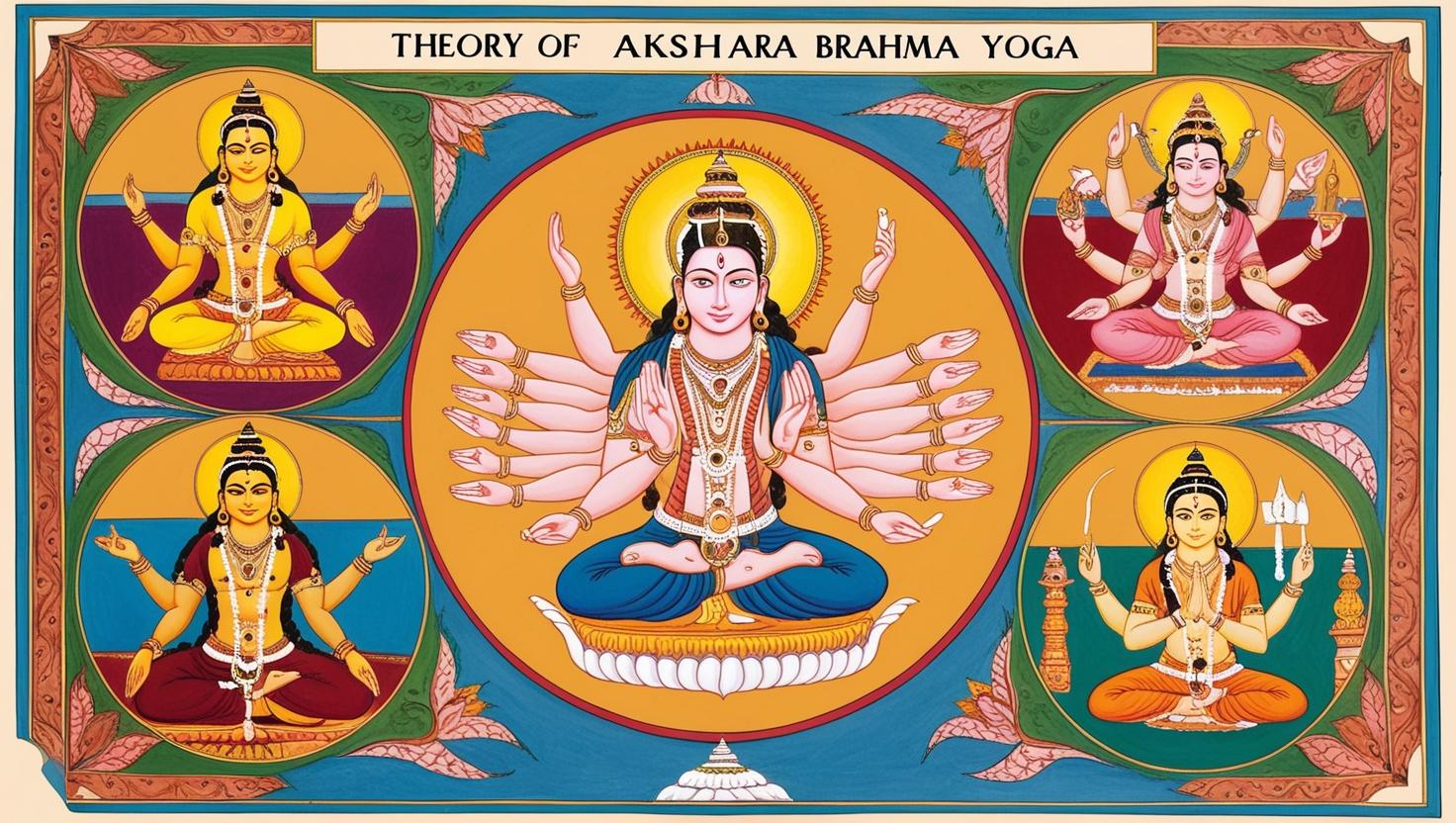
Bhavana Upanishad: Complete Guide
The Bhavana Upanishad is a minor Upanishad focused on spiritual practices, meditation, and the cultivation of inner virtues. It emphasizes mental purification, devotion, and self-realization. While it may not be as widely known as the major Upanishads, its teachings are powerful for inner growth and enlightenment. Click Here To Access more other text.
Overview of Bhavana Upanishad
The Bhavana Upanishad belongs to the Sannyasa (renunciation) Upanishads and is often associated with the Shukla Yajurveda. Its teachings focus on Bhavana, which means the “mental cultivation” or “contemplative visualization” of spiritual truths.
Key Concepts:
-
Cultivation of virtues like compassion, truth, and self-discipline.
-
Methods of meditation and inner reflection.
-
Focus on the Atman (Self) and the realization of Brahman (Universal Consciousness).
-
Purification of the mind and senses to achieve higher spiritual knowledge. Click view PDF.

Benefits of Studying the Bhavana Upanishad
Studying the Bhavana Upanishad regularly provides spiritual, mental, and practical benefits:
-
Spiritual Growth:
Helps in realizing the inner Self (Atman) and connecting with Brahman, the ultimate reality. -
Mental Purification:
Cultivates positive qualities such as patience, tolerance, and focus. -
Emotional Stability:
Reduces anxiety and negative emotions by promoting detachment from worldly distractions. -
Clarity and Wisdom:
Provides insight into the mind’s nature and the power of meditation. -
Ethical Living:
Guides a practitioner toward righteous actions and mental discipline. Click view PDF.
How to Study the Bhavana Upanishad
Studying the Upanishad is not just about reading words but internalizing its wisdom. Here’s a step-by-step approach:
Step 1: Choose the Right Time and Place
-
Study early morning (Brahma Muhurta, ~4:00–6:00 AM) when the mind is calm.
-
Select a quiet, clean place without distractions.
Step 2: Purification
-
Take a bath and sit in a comfortable, meditative posture.
-
Chant a small prayer or mantra to focus the mind. Click view PDF.
Step 3: Read with Concentration
-
Read slowly, verse by verse.
-
Focus on understanding the meaning, not just the pronunciation.
Step 4: Reflect and Meditate
-
After each verse, meditate on its meaning.
-
Visualize the teachings in your mind (Bhavana means visualization/contemplation).
Step 5: Internalize and Practice
-
Implement the virtues and teachings in daily life.
-
Observe the changes in your thought patterns and behavior.

Frequency of Study
There is no strict limit, but traditional practice suggests:
-
Daily Reading: 5–10 minutes daily for steady progress.
-
Weekly Study: One complete recitation and meditation session per week.
-
Special Occasions: During full moon, festivals, or spiritual retreats for deeper absorption.
Tip: Repetition strengthens understanding. You can read once daily for 108 days for profound transformation, as numbers like 108 hold spiritual significance in Hindu practice. Click view PDF.
Why Study the Bhavana Upanishad
Studying the Bhavana Upanishad is important because it:
-
Connects the mind to higher consciousness through meditation and reflection.
-
Teaches practical mental discipline for overcoming desires and attachments.
-
Provides a path to self-realization without relying solely on rituals.
-
Helps maintain spiritual focus in the midst of worldly distractions.
Essentially, it guides the aspirant from knowledge of the external world to the knowledge of the inner Self, which is the ultimate goal of all Upanishads. Click view PDF.
Step-by-Step Practice for Meditation (Bhavana)
The Upanishad emphasizes the technique of visualization and meditation:
-
Sit in a quiet posture, preferably cross-legged.
-
Close your eyes and focus on your breath.
-
Visualize the Self (Atman) within your heart.
-
Contemplate the unity of Atman and Brahman.
-
Cultivate virtues like love, detachment, and truthfulness.
-
Repeat a short mantra or affirmation, e.g., “Om Tat Sat”.
-
Sit in silent contemplation for 10–20 minutes or longer.
Tip: Bhavana is not just thinking; it is deeply feeling and realizing the truth within yourself. Click view PDF.

Conclusion
The Bhavana Upanishad is a powerful guide for spiritual seekers who wish to cultivate inner peace, wisdom, and self-realization. Its practice is simple yet profound:
-
Study with devotion and understanding.
-
Meditate on its teachings regularly.
-
Implement virtues in daily life.
-
Reflect on the unity of Self and Brahman.
Over time, consistent practice leads to mental clarity, ethical living, and spiritual liberation. It bridges the gap between theoretical knowledge and practical spiritual experience, making it a living guide for modern aspirants