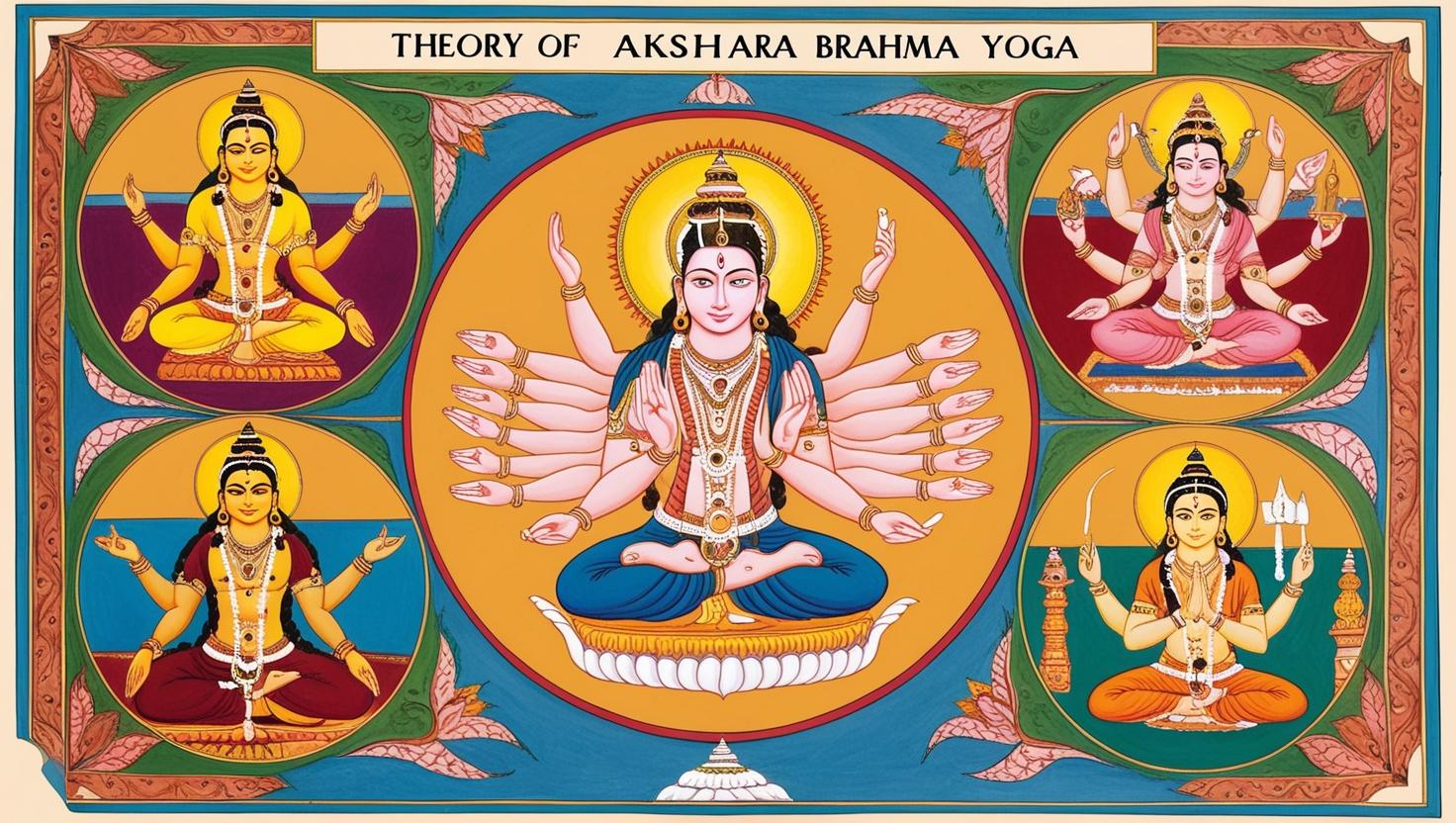
The Path of Self-Realization and Overcoming Death
In these verses, Yama teaches Nachiketa that the Self is eternal and beyond birth and death, unaffected by the physical body’s changes. He explains that the Self is the source of life and consciousness, transcending all dualities and opposites. Yama reveals that the one who realizes the Self overcomes fear, especially the fear of death, and attains liberation. The teaching emphasizes detachment from worldly attachments and directs the seeker to focus on inner knowledge. This section marks the transition from theoretical knowledge to practical understanding and experiential realization of the immortal Self. For More Information Click Here

Comprehensive Verse-wise Analysis
Chapter 1, Section 2, Verses 21–25
Verse 21
Yama says the Self is beyond sorrow and fear; it is eternal and does not die when the body dies.
Verse 22
The Self is the witness, unmoved by pleasure or pain; it remains constant amidst change.
Verse 23
The Self is pure consciousness, the inner light illuminating all experience.
Verse 24
He who knows the Self as the indestructible essence transcends death and attains immortality.
Verse 25
Such knowledge frees the seeker from all bondage and leads to supreme bliss. For More Information Click Here

Chapter 1, Section 3, Verses 1–8
Verse 1
Yama begins by asserting that the Self is imperishable and cannot be destroyed by weapons or fire.
Verse 2
It is unaffected by water or wind and is not harmed by anything.
Verse 3
Yama asks rhetorically, “Who can kill the Self, which is eternal and beyond all elements?”
Verse 4
The Self is beyond the senses and mind, existing in a realm beyond comprehension.
Verse 5
Yama explains that the Self is the cause of life in all beings and the source of all perception.
Verse 6
Those who realize this Self become fearless and free from all limitations.
Verse 7
Yama instructs that the seeker must rise above the body and senses to know the Self.
Verse 8
Only through deep meditation and detachment can one attain the true knowledge of the Self. For More Information Click Here

Adi Shankaracharya’s Insights: The Immortal Self Beyond Body and Mind
Adi Shankaracharya explains that in these verses, Yama reveals the essential Advaita (non-dual) truth: the Self (ātman) is immutable, eternal, and beyond all physical and mental changes. Shankara stresses that the Self is not the body, mind, or senses but the pure consciousness that witnesses all phenomena without being affected.
He points out that ignorance (avidyā) makes people identify with the transient body, leading to fear of death and sorrow. Realizing the Self dispels this ignorance, revealing the deathless nature of one’s true being.
Shankara also emphasizes the practical side of this teaching: liberation requires dispassion, meditation, and detachment from bodily identification and sensory distractions. The Self’s nature as beyond dualities means that the seeker must transcend all pairs of opposites like pleasure and pain, life and death.
The text encourages the aspirant to cultivate steadfastness in knowledge and practice, which leads to the destruction of fear and the attainment of blissful freedom. For More Information Click Here

Conclusion
These combined sections affirm the eternal, indestructible nature of the Self, inviting seekers to transcend the illusions of the body and mind. Yama’s teachings guide Nachiketa—and through him all aspirants—toward recognizing that death is no enemy for the realized soul. By meditating on the imperishable Self and renouncing attachment to the ephemeral, the seeker attains fearlessness, liberation, and ultimate bliss. This profound realization forms the core message of the Katha Upanishad and remains a beacon for all spiritual aspirants.
Join Our Classes:
The Upanishads are more than just ancient texts—they are timeless guides to living with clarity, balance, and inner peace. Our classes make their profound wisdom easy to understand and apply in everyday life. Join us to explore these teachings and discover a new way of seeing yourself and the world!