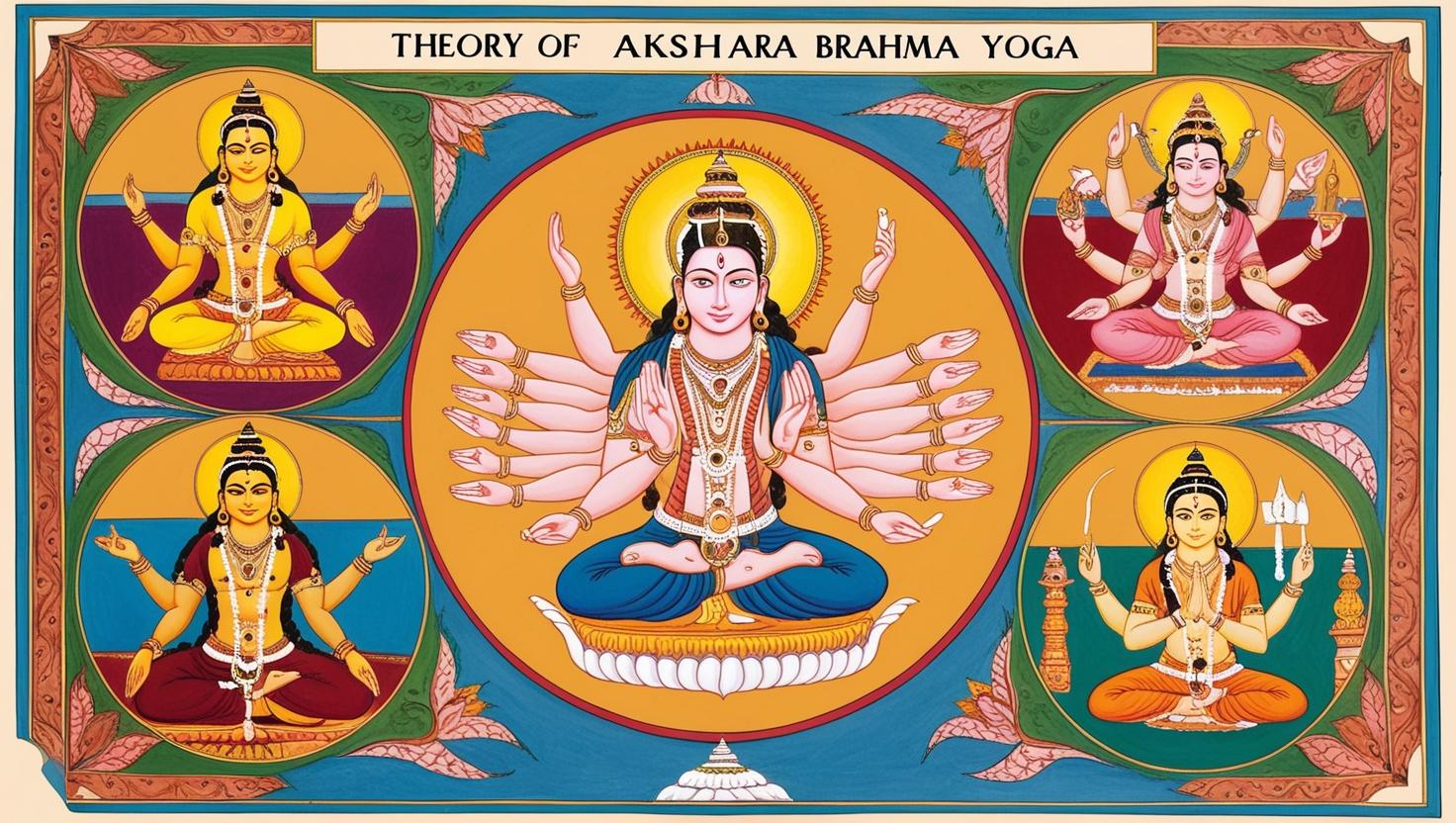
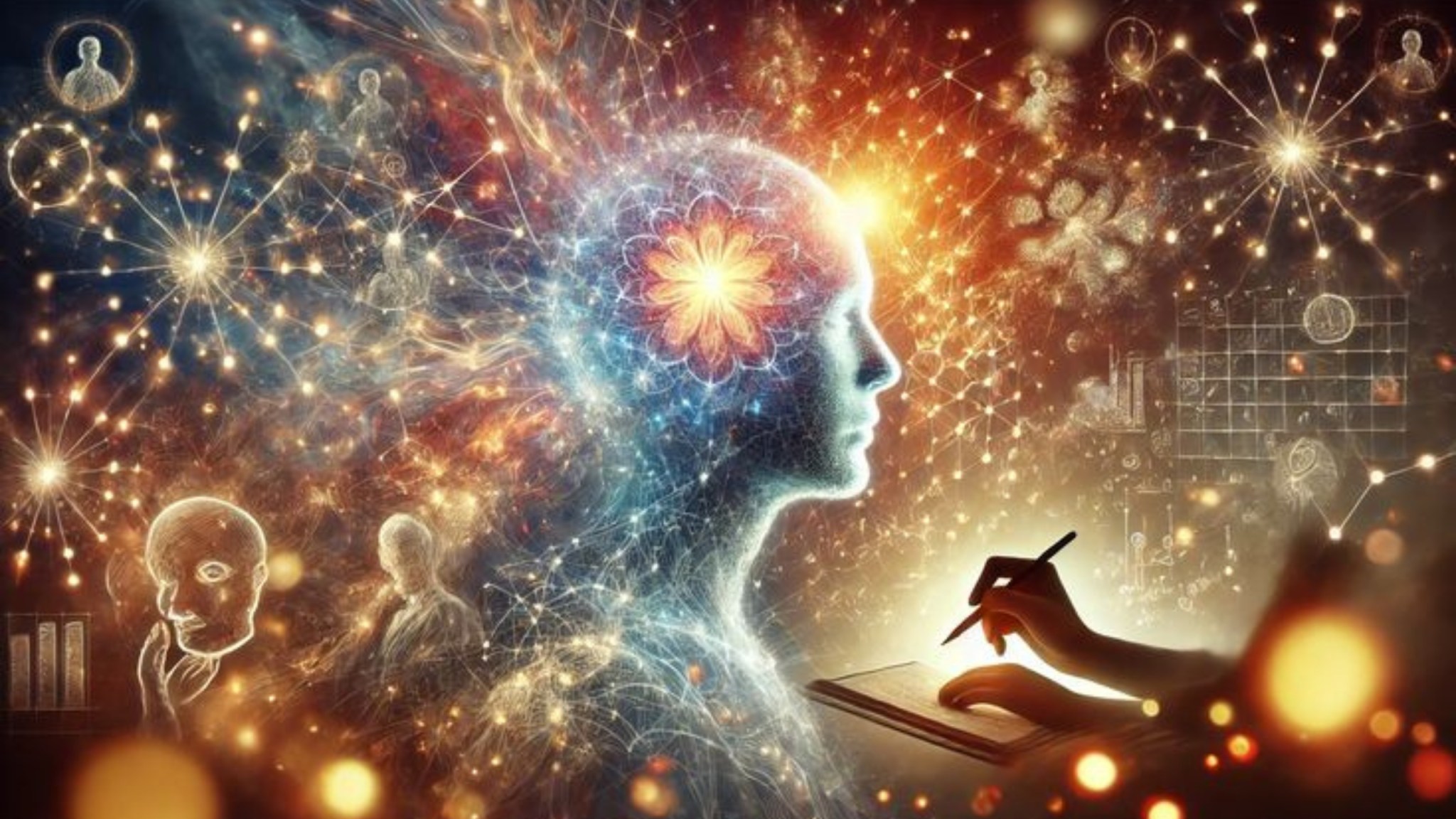
Brahma Upanishad – Complete Step-by-Step Guide
Introduction to the Brahma Upanishad
The Brahma Upanishad is one of the minor (Atharva Veda–associated) Upanishads, but its teaching is very deep and powerful.
Its main subject is Brahma-Vidya — the knowledge of Brahman, the ultimate, formless, eternal reality.
This Upanishad explains:
-
What Brahman truly is
-
The meaning of renunciation (Sannyasa)
-
The identity of Atman (Self) and Brahman
-
How a seeker should live and think
It is especially important for spiritual seekers, monks, and people who wish to go beyond rituals and ego. Click Here To Access more other text.
Central Teaching of the Brahma Upanishad
The core message is simple but profound:
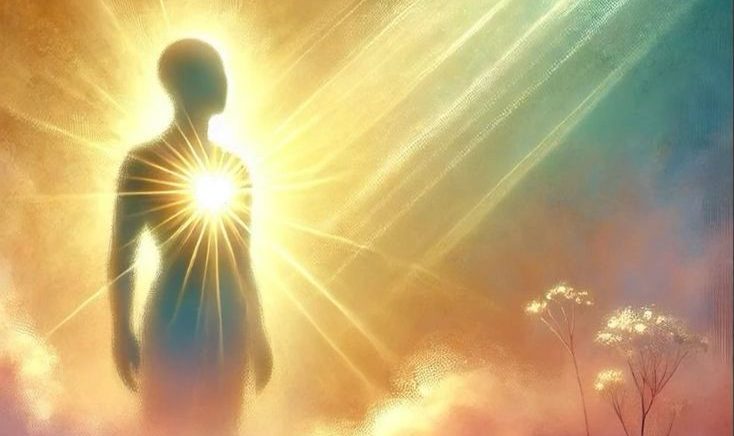
Atman (your true Self) is Brahman (the Supreme Reality).
There is no difference between the individual soul and the universal soul. Click view PDF.
The Upanishad teaches that:
-
Brahman is beyond name, form, caste, gender, and action
-
Liberation comes not from rituals, but from direct knowledge
-
The wise person abandons external identity and lives in inner awareness
Step-by-Step Meaning of the Brahma Upanishad
Step 1: Understanding Brahman
Brahman is described as:
-
Without beginning or end
-
Without qualities (Nirguna)
-
Beyond thought, speech, and imagination
-
The silent witness of all experiences
Brahman cannot be seen, but it is the seer itself.
Step 2: Understanding Atman (Self)
The Upanishad explains that:
-
Atman is not the body
-
Atman is not the mind or senses
-
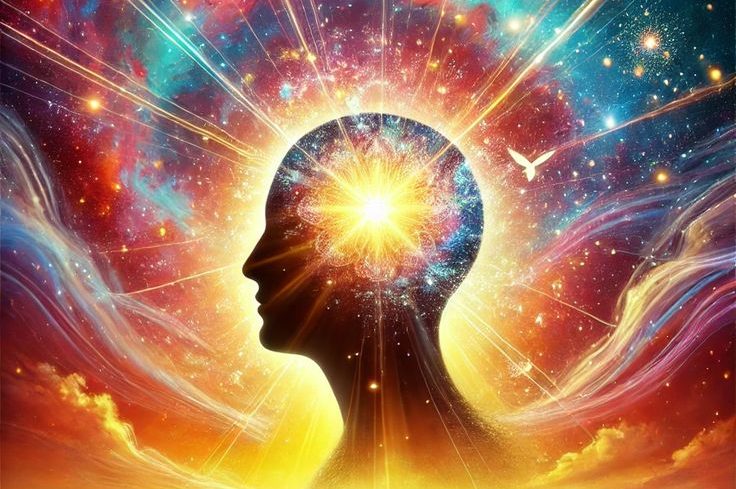
Atman is pure consciousness
When ignorance disappears, the seeker realizes:
“I am not this body or mind. I am Brahman.” Click view PDF.
Step 3: Renunciation (Sannyasa)
True renunciation does not mean only leaving society.
It means:
-
Giving up ego, attachment, and false identity
-
Letting go of “I” and “mine”
-
Living without desire for fame, wealth, or power
A true renunciate:
-
Is calm
-
Sees all beings equally
-
Lives in awareness, not craving
Step 4: Knowledge Over Rituals
The Brahma Upanishad clearly states:
-
Rituals are useful at early stages
-
Final liberation comes only through knowledge
-
Fire sacrifices, mantras, and symbols must finally be dropped
Only direct realization frees the soul. Click view PDF.
Step 5: State of the Liberated Person (Jivanmukta)
A liberated person:
-
Is free while still alive
-
Is unaffected by praise or blame
-
Has no fear of death
-
Sees Brahman everywhere
Such a person lives in the world but is not bound by it.
Benefits of Studying the Brahma Upanishad
1. Spiritual Clarity
It removes confusion about:
-
Who you really are
-
What liberation truly means
2. Freedom from Fear
Understanding Brahman destroys:
-
Fear of death
-
Fear of loss
-
Fear of failure Click view PDF.
3. Detachment and Peace
The mind becomes:
-
Calm
-
Stable
-
Less reactive to emotions
4. Deep Self-Knowledge
It leads to Atma-Jnana, the highest knowledge.
5. Inner Strength
You become independent of external validation and material security.
How to Study the Brahma Upanishad (Correct Method)
Step 1: Preparation
-
Read with a calm mind
-
Avoid hurry or intellectual pride
-
Read slowly and reflect
Step 2: Study with Commentary
Use explanations by:
-
Adi Shankaracharya (Advaita tradition)
-
A qualified teacher if possible
Step 3: Reflection (Manana)
Ask yourself:
-
“Who am I beyond body and mind?”
-
“What is witnessing my thoughts?”
Step 4: Meditation (Nididhyasana)
Sit quietly and rest in awareness.
Let words dissolve into experience. Click view PDF.
How Many Times Should One Study It?
There is no fixed number, but traditionally:
-
First reading: Understanding meaning
-
Second reading: Deep reflection
-
Third and repeated readings: Internalization
A sincere seeker may study it many times throughout life.
Each reading reveals deeper layers.
Why Should One Study the Brahma Upanishad?
You should study it because:
-
It answers the deepest question: “Who am I?”
-
It leads beyond suffering and confusion
-
It shows the direct path to liberation
-
It removes ignorance, not just sorrow
It is for those who want truth, not comfort. Click view PDF.
Who Is Fit to Study the Brahma Upanishad?
-
Serious spiritual seekers
-
Those practicing meditation
-
People disillusioned with material life
-
Anyone seeking self-realization
Caste, gender, or social status do not matter. Click view PDF.
Conclusion
The Brahma Upanishad is not merely a text —
it is a mirror of ultimate truth.
It teaches that:
-
You are already free
-
Bondage exists only due to ignorance
-
Knowledge alone liberates
When truly understood, it leads to:
Peace, fearlessness, and oneness with all existence