Introduction to the Yājñavalkya Upaniṣad
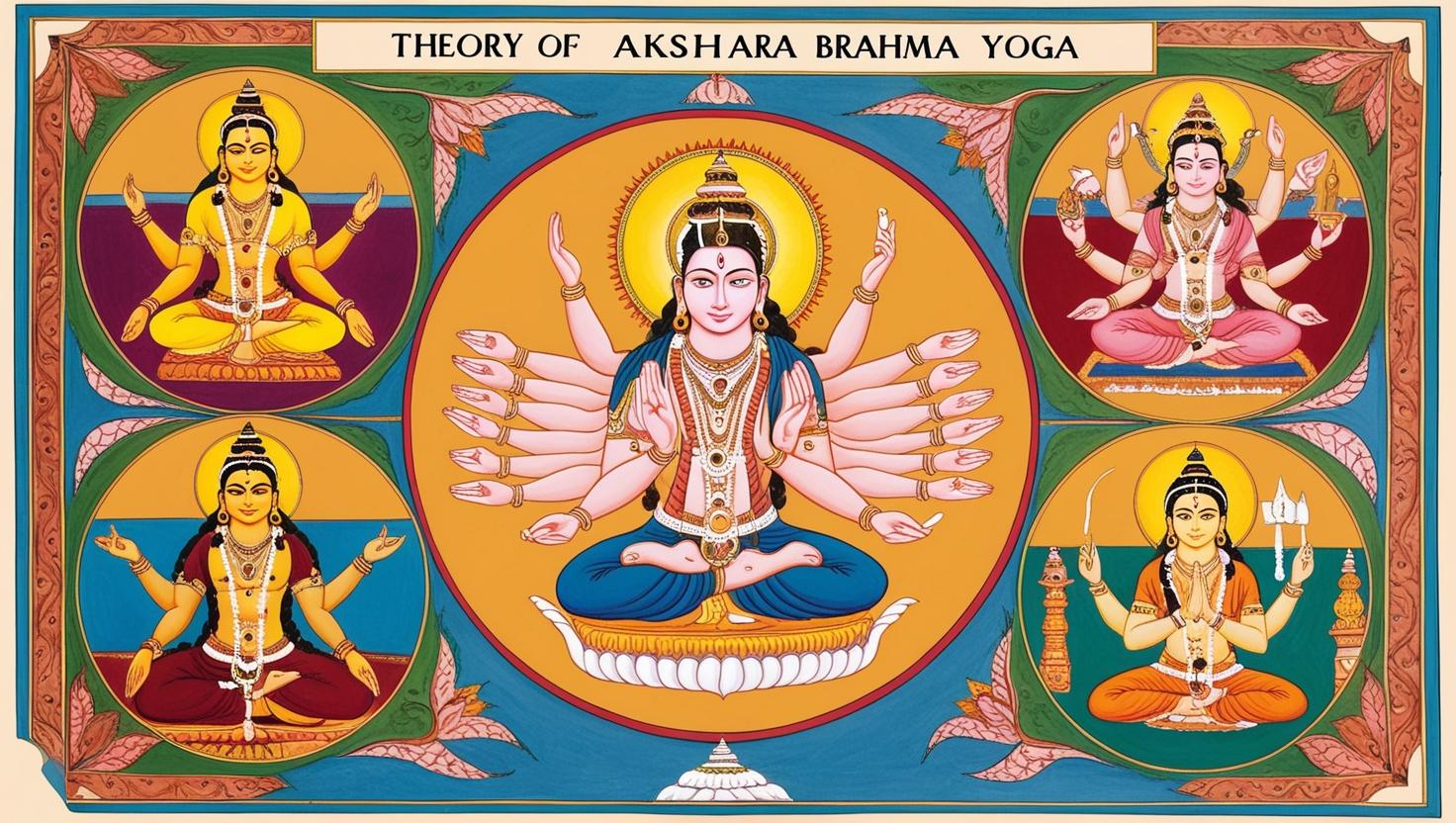
The Yājñavalkya Upaniṣad is one of the Yoga Upaniṣads, traditionally associated with the Śukla Yajur Veda. It is structured as a dialogue between the sage Yājñavalkya and Gārgī, continuing the spirit of the Bṛhadāraṇyaka tradition. This Upaniṣad uniquely integrates practical yoga, ethical discipline, and non-dual knowledge, making it both a manual of practice and a text of realization.
It is especially valued for presenting yoga not as a preliminary tool but as a direct path to Self-knowledge. Click Here To Access more other text.
Central Teaching of the Yājñavalkya Upaniṣad
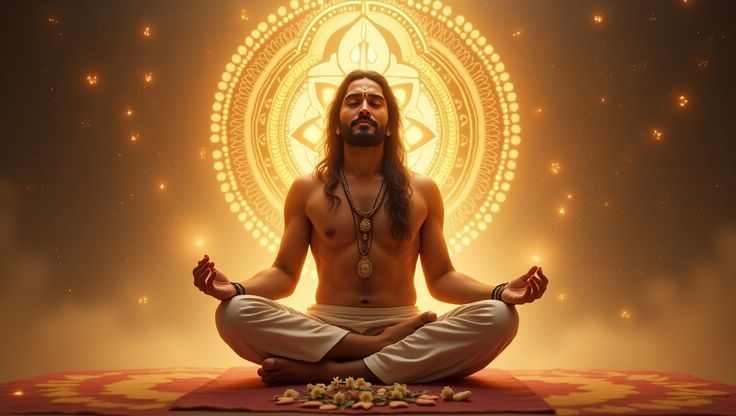
The Yājñavalkya Upaniṣad teaches that liberation arises through the purification and mastery of the mind, supported by yogic discipline and grounded in knowledge of the Self. It affirms that Ātman is identical with Brahman and that this truth is realized when mental fluctuations cease.
The text emphasizes that yoga and knowledge are not separate. Yoga prepares the mind for insight, and insight completes yoga. Without knowledge, practice remains limited; without practice, knowledge remains theoretical. Click view PDF.
Step-by-Step Yogic Path in the Yājñavalkya Upaniṣad
The Upaniṣad begins by establishing ethical restraint and disciplined living as the foundation of yoga. Truthfulness, moderation, and inner cleanliness stabilize the mind.
It then explains āsana, not as physical performance but as steady, comfortable posture that supports prolonged meditation. This is followed by prāṇāyāma, which purifies subtle channels and calms mental turbulence.
The text progresses to pratyāhāra, where the senses withdraw from external objects, allowing attention to turn inward. Through dhyāna, awareness rests steadily in the Self.
The culmination is samādhi, where individuality dissolves and the yogin abides in non-dual awareness, free from effort and distinction. Click view PDF.
Benefits of Studying the Yājñavalkya Upaniṣad
The Yājñavalkya Upaniṣad offers complete integration of yoga and wisdom. One of its greatest benefits is mental clarity and emotional balance.
The study reduces restlessness, strengthens discipline, and fosters inner silence. Over time, fear, desire, and attachment weaken naturally.
At its highest level, the Upaniṣad leads to liberation while living, where the seeker remains peaceful, unattached, and awake amid daily life.

How to Study the Yājñavalkya Upaniṣad
This Upaniṣad should be studied with both reflection and practice. Reading alone is insufficient without personal application.
The seeker should study slowly, contemplating each teaching and observing its effect on mind and behavior. Meditation should accompany study, especially focusing on stillness and self-awareness.
Guidance from a teacher is beneficial, but sincere self-study with discipline can also yield insight. Click view PDF.
How Many Times One Should Study the Yājñavalkya Upaniṣad
The Yājñavalkya Upaniṣad reveals its depth through repeated study over time. Early readings clarify the structure of yoga and philosophy.
Later readings deepen experiential understanding. Each return to the text corresponds to greater inner refinement.
Serious practitioners revisit it throughout their spiritual journey. Click view PDF.
Why One Should Study the Yājñavalkya Upaniṣad
One should study this Upaniṣad because it presents yoga as a complete path to realization, not merely a physical or preparatory discipline.
It bridges ancient wisdom with practical living, offering guidance for seekers who wish to integrate spirituality into daily life.
In a modern context, it restores yoga’s original purpose: freedom from ignorance and suffering. Click view PDF.
Conclusion: The Essence of the Yājñavalkya Upaniṣad
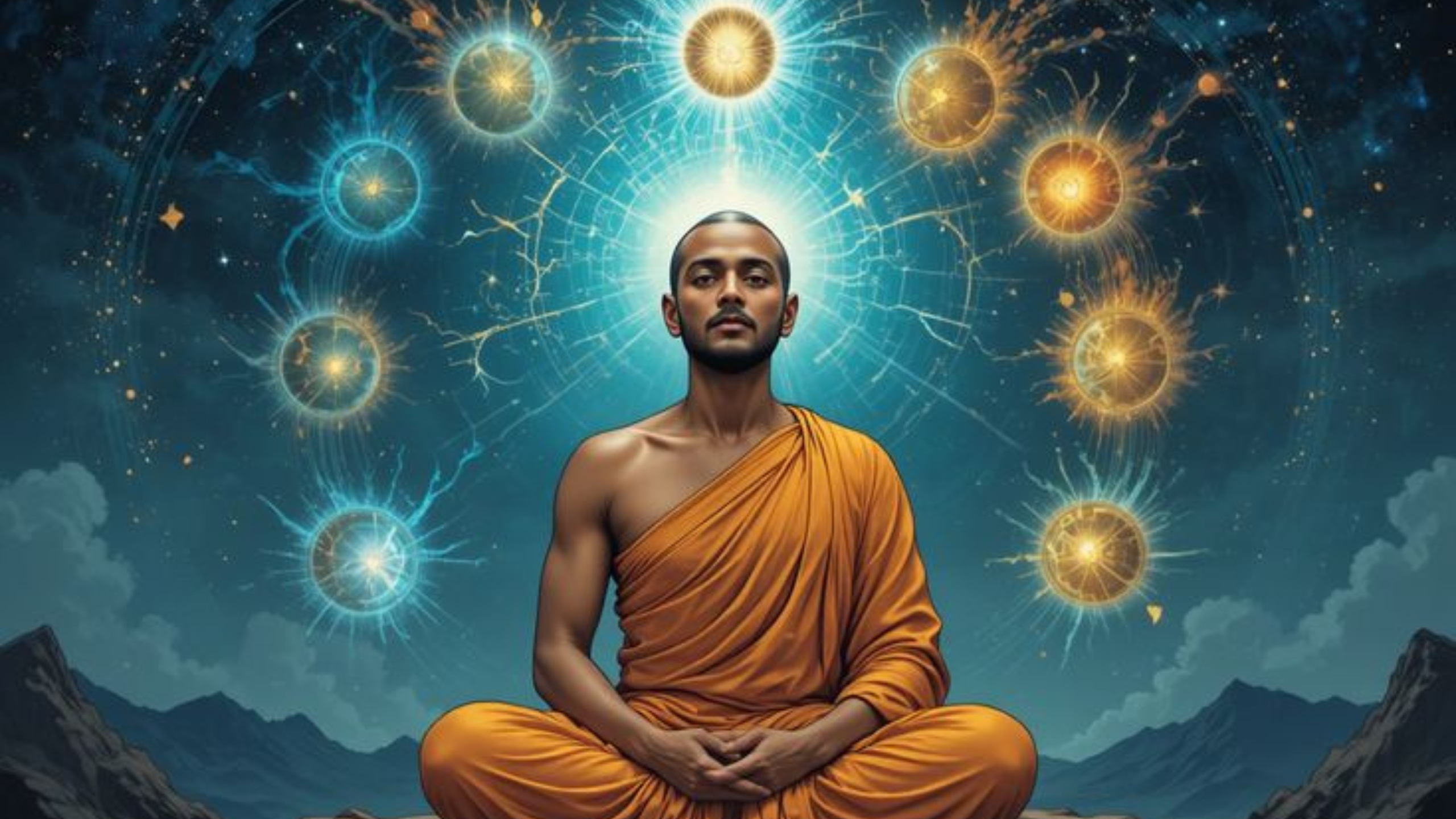
The Yājñavalkya Upaniṣad teaches that liberation arises when disciplined practice and clear knowledge merge into direct realization. Yoga is revealed as the art of dissolving the mind into awareness.
Through ethical living, meditative discipline, and insight into the Self, the seeker transcends limitation and abides in non-dual peace. The Upaniṣad affirms that the Self is ever free and ever present.
To live its teaching is to live rooted in clarity, balance, and unbroken awareness, where yoga and wisdom are one.