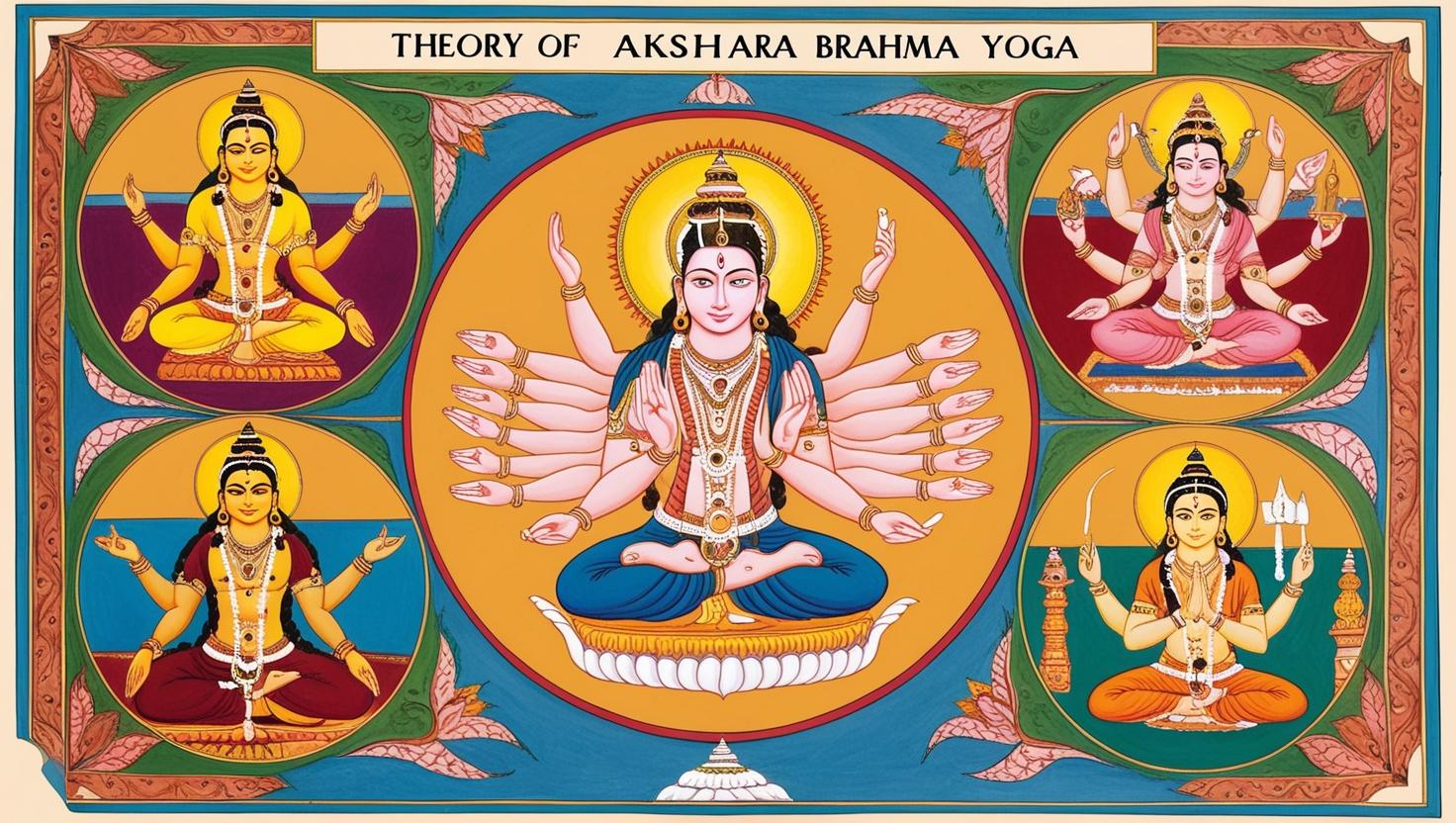
Bhahmananda Vallli – Anuvaka 6 , 7 & 8
Anuvakas 6, 7, and 8 of the Brahmananda Valli reveal the seeker’s ascent into the heart of non-duality. Anuvaka 6 declares that the Self within and the cosmic presence (āditya) are one, dissolving all sense of separation. In Anuvaka 7, Sankara asserts that to deny Brahman is to remain in ignorance and perishability, while knowing Brahman as existence itself (sat) leads to true being. Anuvaka 8 proclaims that the knower of Brahman as bliss becomes utterly fearless, transcending all dualities. Brahman is beyond speech and mind, worshipped even by the gods. These verses express the Upanishadic realization that Self, Existence, and Bliss are one undivided reality. For More Information Click Here
Anuvaka 6 – The Identity of the Self and the Cosmic Being
Mantra:
“sa yaścāyam puruṣe, yaścāsāv āditye, sa ekaḥ”
Meaning:
The one who is in the body and the one who is in the sun are indeed the same.
Sankara’s Insight:
This profound statement reveals the non-duality (abheda) between the inner Self and the cosmic presence. Sankara affirms this as a mahāvākya (great statement) asserting that the Self in all forms is one—not symbolically, but in absolute reality. By recognizing this, the seeker transcends dualistic perception and attains Self-realization, where the division between I and That disappears entirely.

Anuvaka 7 – The Importance of Vedic Recitation and Lineage
Mantra :
“tad eṣa ṛcābhyuktam…”
“yato vāco nivartante aprāpya manasā saha”
Meaning:
That (Brahman) from which words return, along with the mind, unable to grasp it — that blissful Brahman should be meditated upon.
Sankara’s Insight:
Sankara interprets this as a powerful reinforcement that Brahman is beyond verbal expression and mental conception. Words and thoughts, bound by time and form, cannot capture the infinite, formless Brahman. Yet, that very Brahman is the source of supreme bliss. Meditation, therefore, must transcend intellectual grasping and settle into intuitive realization (aparokṣa-jñāna).
This anuvaka also underscores Vedic lineage (parampara) and the importance of mantra and sravaṇa (listening) in transmitting this subtle knowledge. Śaṅkara emphasizes that even though Brahman is beyond speech, the Upanishads are the only means to realize It, as they are born from direct experience of the seers.
Anuvaka 8 – The Cosmic Hierarchy of Bliss (Ananda-mimamsa)
Mantra :
“yo vai bhūmā tat sukham, na alpe sukham asti…”
A ladder of bliss is described, from human to gods to Prajāpati to Brahman.
Sankara’s Insight:
This anuvaka elaborates on different degrees of happiness, each increasing tenfold, to illustrate that all joy ultimately springs from Brahman alone. Sankara stresses that these grades of bliss (human, celestial, divine) are dependent, whereas Brahman’s bliss is independent, infinite, and self-revealing.
The sequence ends with brahma-puruṣa-ānanda — the bliss of the knower of Brahman, who transcends all relative joys and abides in the limitless Self. Sankara interprets this ladder not as praise of worldly bliss, but as a teaching tool to discriminate between the finite and the infinite, guiding the seeker inward to the Self.
Sankaracharya’s Revelation in Anuvakas 6–8: Realizing the Self as Existence, Bliss, and Non-Dual Unity
In Anuvakas 6, 7, and 8 of the Brahmananda Valli, Adi Sankaracharya presents a deepening vision of Advaitic realization, moving from cosmic identity to existential truth and culminating in blissful fearlessness.
In Anuvaka 6, he affirms the non-duality of the individual and the cosmic Self, stating that the Self within (in the body) and the Self in the sun are one and the same Brahman. This dissolves all dualistic perception and establishes the oneness of reality.
In Anuvaka 7, Sankara stresses that true existence belongs only to Brahman. If one sees Brahman as non-existent, one remains in spiritual ignorance and non-being. But knowing Brahman as existence itself (sat) leads to true spiritual life and recognition as one who truly “is.”
In Anuvaka 8, he declares that the knower of Brahman as bliss (ānanda) becomes free from all fear, for fear arises only when there is duality. Brahman, being beyond speech and mind, is the supreme, unobjectifiable reality, even revered by the gods.
Through these anuvakas, Sankaracharya shows that realization of Brahman as Self, Existence, and Bliss is the highest goal, and it alone brings liberation, fearlessness, and fullness. For More Information Click Here

Conclusion
In conclusion, Anuvakas 6 to 8 guide the seeker from the recognition of unity between the inner and cosmic Self to the realization of Brahman as pure Existence and Bliss. Sankaracharya emphasizes that true knowledge alone grants real existence, and that ignorance leads to identification with the perishable. The fearless state of the enlightened arises from the dissolution of duality and the recognition of Brahman as one’s very Self. Since Brahman is beyond the reach of speech and thought, it is not an object to be known but the essence to be realized. These teachings urge the seeker to go beyond appearances and abide in the undivided, blissful Self.
Join Our Classes:
The Upanishads are more than just ancient texts—they are timeless guides to living with clarity, balance, and inner peace. Our classes make their profound wisdom easy to understand and apply in everyday life. Join us to explore these teachings and discover a new way of seeing yourself and the world!