Exploring the Essence of Volume 3: Insights from the Keno Upanishad
Volume 3 of Anubhuti Prakasha delves deeply into the profound teachings of the Keno Upanishad, focusing on the nature of Brahman and the limitations of human perception. It provides detailed commentary on Verses 73 to 100, explaining how the Self transcends the senses and mind. The text illustrates the distinction between the known world and the ultimate reality that cannot be comprehended through ordinary intellect. Shankaracharya’s insights are incorporated, emphasizing meditation and self-inquiry as paths to realizing the Supreme. The volume also explores the interplay between ignorance and knowledge, guiding seekers toward spiritual awakening. Overall, it serves as a comprehensive resource for understanding the Upanishadic vision of the ultimate truth. For More Information Click Here
Understanding Verses 73 to 100: The Transcendence of Brahman
Verses 73 to 100 of Chapter 19 explore the supreme nature of Brahman, emphasizing its transcendence beyond senses and mind. These verses highlight the futility of attempting to know the Self through ordinary perception. Each verse explains a subtle aspect of the ultimate reality, guiding the seeker toward inner realization. The commentary encourages meditation, self-inquiry, and recognition of ignorance as obstacles on the spiritual path.
Verse-by-Verse Insights: Anubhuti Prakasha Chapter 19 (Verses 73–100)
Verse 73: The Self is beyond all sensory perception; no sense can grasp its true nature. It is the source from which all knowledge and action arise.
Verse 74: Brahman transcends speech and thought; it cannot be expressed in words. Its essence is realized only through inner meditation.
Verse 75: The mind cannot comprehend the supreme reality; it is subtler than the subtlest mind. One attains it only through direct intuition.
Verse 76: Ignorance binds humans to the world of duality. Knowledge of the Self dissolves this bondage and reveals ultimate freedom.
Verse 77: The Self is the witness of all experiences yet remains unaffected. Recognizing this distinction leads to true inner peace.
Verse 78: Actions of body and mind cannot touch the eternal Self. Understanding this prevents attachment and suffering.
Verse 79: Brahman is the ultimate cause of all phenomena yet is beyond cause and effect. Meditation reveals this truth gradually.
Verse 80: Those who try to know Brahman through senses remain in darkness. Real knowledge arises from spiritual insight, not external learning.
Verse 81: The Upanishad emphasizes devotion and contemplation. Sincere seekers attain realization by constant focus on the Self.
Verse 82: Even the gods are subject to ignorance about Brahman. Only those who inquire deeply gain knowledge of the ultimate reality.
Verse 83: The Self is subtler than subtle and cannot be perceived directly. Awareness and introspection are the tools to recognize it.
Verse 84: Brahman pervades all yet is unattached. Recognizing this helps the aspirant transcend ego and desires.
Verse 85: Knowledge of the Self eliminates fear and sorrow. It brings lasting peace and bliss beyond worldly experiences.
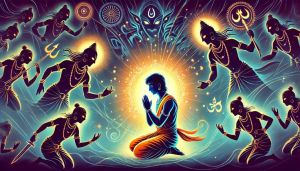
Verse 86: Speech and mind are instruments, not the ultimate reality. Brahman is the silent witness, beyond all expression.
Verse 87: The supreme cannot be attained by rituals or intellectual exercises alone. Only self-realization leads to liberation.
Verse 88: The Self is eternal, immutable, and beyond all time. Understanding its timelessness frees one from worldly anxieties.
Verse 89: Meditation and discernment reveal Brahman gradually. Persistent practice purifies the mind and opens the eye of wisdom.
Verse 90: The Upanishad teaches the futility of seeking the Self externally. True knowledge comes from inward turning and reflection.
Verse 91: Brahman is beyond duality, beyond good and evil. Realizing this truth transforms perception and removes ignorance.
Verse 92: The Self is the ultimate knower and enjoyer of all experiences. Recognizing this helps detach from transient pleasures.
Verse 93: Ignorance veils the true nature of reality. Knowledge illuminates the Self and dissolves all illusions.
Verse 94: Even sacred texts point only toward Brahman; they cannot contain it fully. Direct experience is the final authority.
Verse 95: The Self is pure consciousness, beyond all modifications. Awareness of this leads to unwavering inner peace.
Verse 96: Desire and attachment arise from ignorance. Understanding Brahman destroys these and grants eternal freedom.
Verse 97: The mind must be still and focused to perceive the Self. Distractions prevent realization and prolong suffering.
Verse 98: The aspirant who meditates on Brahman transcends fear and death. Bliss becomes natural and unshakable.
Verse 99: Knowledge of the Self is the highest treasure. No worldly gain can compare to this supreme realization.
Verse 100: The Upanishad concludes by affirming the unknowable yet approachable nature of Brahman. Through devotion, meditation, and wisdom, one merges with the ultimate reality. For More Information Click Here
Author’s Perspective and the Teachings of Volume 3
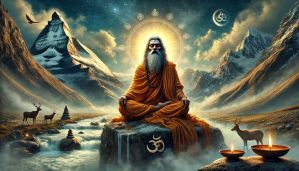
The author of Anubhuti Prakasha presents Volume 3 as a deep exploration of the Keno Upanishad, emphasizing the nature of Brahman beyond the reach of senses, mind, and intellect. Through detailed commentary on Verses 73 to 100, the text guides seekers to recognize the Self as the ultimate witness, pure consciousness, and source of all knowledge. The author stresses that external rituals, speech, and intellectual pursuits alone cannot lead to realization; instead, meditation, introspection, and devotion are essential. Volume 3 highlights the limitations of worldly perception and points toward the inner journey of self-inquiry, leading to liberation, bliss, and direct experience of the supreme reality. For More Information Click Here
Significance of Volume 3: Realizing the Supreme Brahman
Volume 3 of Anubhuti Prakasha is crucial for understanding the profound wisdom of the Keno Upanishad, as it delves into the nature of Brahman and the limitations of human perception. It emphasizes that true knowledge of the Self cannot be attained through senses, speech, or intellect, but only through meditation, devotion, and self-inquiry. The volume serves as a guide for seekers to transcend ignorance, detach from worldly illusions, and experience the eternal bliss of realization. For More Information Click Here
As the Upanishad reminds us:
“That which cannot be seen by the eye, nor heard by the ear, nor thought by the mind—that alone is Brahman.”
Conclusion
Volume 3 of Anubhuti Prakasha beautifully illuminates the teachings of the Keno Upanishad, guiding seekers to understand the supreme Self beyond the senses and intellect. It emphasizes meditation, devotion, and self-inquiry as the true paths to realization, helping aspirants overcome ignorance and attain inner peace and bliss. By contemplating these verses, one learns to detach from worldly illusions and experience the eternal reality within. As the Upanishad wisely states:
“When all desires that dwell in the heart are cast away, then the mortal becomes immortal, and attains Brahman here.”