Chapter 1: Nature of the Self and the Path to Liberation
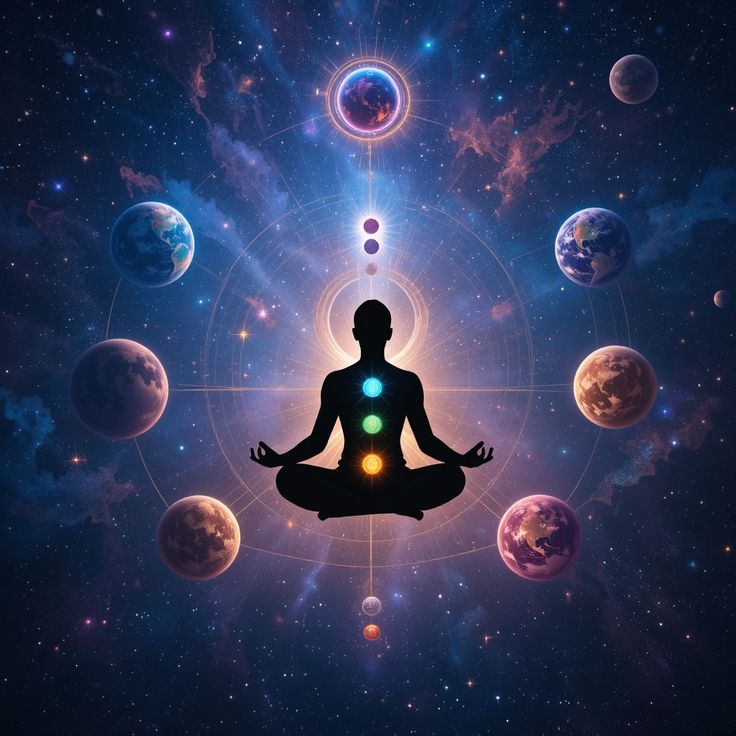
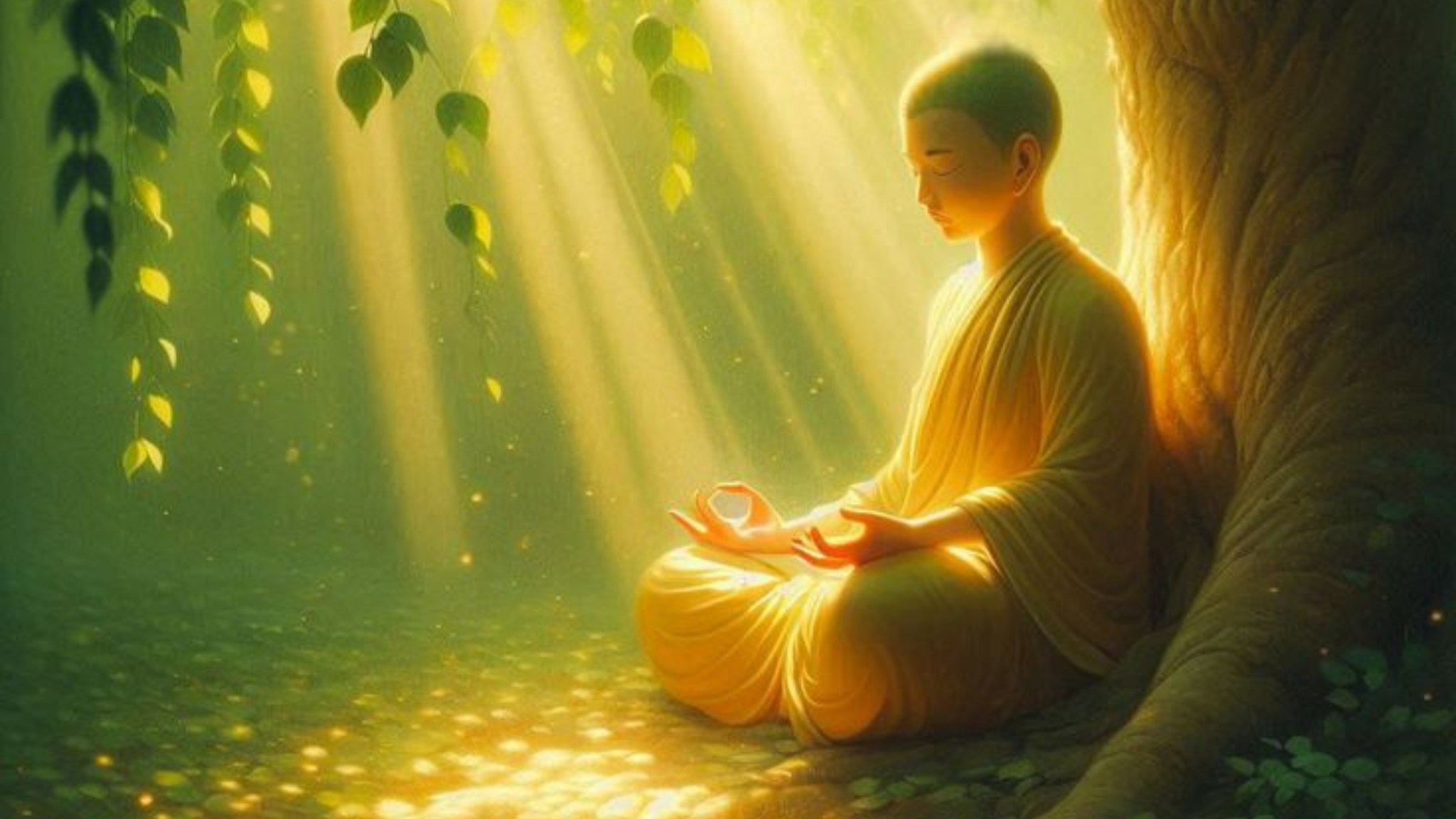
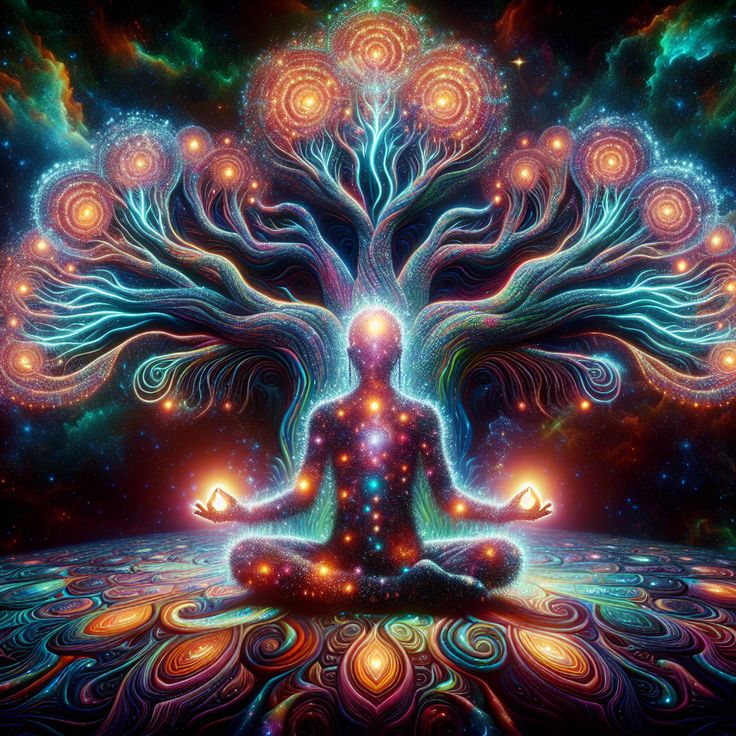
Chapter 1 of the Atmabodha Upanishad introduces the seeker to the nature of the Self (Ātman) as eternal, pure consciousness, beyond body, mind, and intellect. It emphasizes that the Self is untouched by birth, death, or worldly actions and exists as the unchanging witness of all phenomena. The chapter highlights the importance of discrimination (viveka) between the real (Self) and the unreal (world, body, mind) as the path to liberation. It encourages detachment from external rituals and material desires, pointing instead to inner contemplation and meditation. Through persistent self-inquiry and purification of the mind, the seeker realizes the non-dual nature of the Self as identical with Brahman. Ultimately, Chapter 1 sets the foundation for spiritual awakening by guiding the aspirant to experience freedom, bliss, and absolute peace. For More Information Click Here
Verse-by-Verse Insights: Realization of the Self and Liberation
Verse 1: The Self is eternal, pure consciousness, and beyond all physical and mental modifications. It witnesses all actions and phenomena without being affected. Realizing this unchanging essence is the first step toward liberation.
Verse 2: Ignorance makes one identify with the body, mind, and senses, leading to attachment and suffering. This false identification binds the soul to the cycle of birth and death. Understanding the distinction between Self and non-Self removes this bondage.
Verse 3: Discrimination (viveka) between the real and unreal is crucial for spiritual progress. One must distinguish the eternal Self from transient worldly objects. This clarity leads the aspirant toward detachment and inner peace.
Verse 4: Renunciation of desires, worldly attachments, and ritualistic actions purifies the mind. A detached mind is able to focus on the Self without distractions. This fosters concentration and inner calm necessary for self-realization.
Verse 5: Meditation and self-inquiry are essential practices to realize the imperishable nature of the Self. Contemplating the Self as the witness beyond body and mind deepens awareness. These practices dissolve ignorance and strengthen spiritual insight.
Verse 6: The Self is non-dual, beyond distinctions of subject and object, and identical with Brahman. Recognizing this truth eliminates all duality and confusion. Knowledge of the Self leads to unwavering equanimity and clarity.
Verse 7: Once realized, the Self remains untouched by sorrow, pleasure, or worldly experiences. It is free from birth, death, and all forms of limitations. The realized soul abides in pure consciousness and supreme bliss.
Verse 8: The seeker who attains knowledge of the Self experiences liberation (moksha). They dwell in eternal peace, freedom, and bliss, beyond all material and mental constraints. This ultimate realization marks the culmination of spiritual practice.
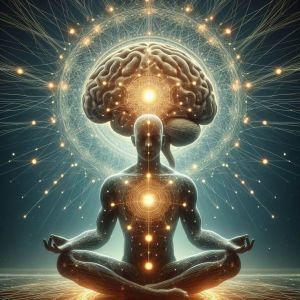
Core Teaching: Realization of the Self and Liberation
Chapter 1 of the Atmabodha Upanishad teaches that the Self (Atman) is eternal, formless, and pure consciousness, untouched by the body, mind, or worldly experiences. Liberation arises through discrimination between the real (Self) and the unreal (world, body, mind), combined with detachment, meditation, and self-inquiry. By realizing the Self as non-dual and identical with Brahman, the seeker transcends ignorance, attachment, and the cycle of birth and death, ultimately abiding in eternal bliss, peace, and freedom. For More Information Click Here

Shankaracharya’s Commentary: Insights on Chapter 1
Adi Shankaracharya emphasizes that the Self (Atman) is the ultimate reality—eternal, formless, and pure consciousness—and cannot be affected by the body, mind, or sensory experiences. He explains that all suffering arises from ignorance (avidya), which makes one identify with the non-Self, such as the body, mind, and external world. Liberation is attained through viveka (discrimination) between the real and unreal, vairagya (detachment) from worldly attachments, and persistent self-inquiry and meditation. Shankaracharya highlights that rituals, actions, and external aids are secondary; the true path lies in direct realization of the non-dual Self, which is identical with Brahman. Once this knowledge dawns, the seeker abides in bliss, freedom, and eternal peace, beyond all dualities and limitations. For More Information Click Here
Conclusion:
Chapter 1 of the Atmabodha Upanishad establishes the foundation for spiritual awakening by revealing the eternal, formless, and non-dual nature of the Self. It teaches that liberation arises through discrimination between the real and unreal, detachment from worldly attachments, and persistent self-inquiry. Rituals and external practices are supportive, but direct realization of the Self as Brahman is the ultimate goal. By internalizing these truths, the seeker transcends ignorance, attains freedom from the cycle of birth and death, and abides in eternal bliss, peace, and supreme knowledge.
Join Our Classes:
The Upanishads are more than just ancient texts—they are timeless guides to living with clarity, balance, and inner peace. Our classes make their profound wisdom easy to understand and apply in everyday life. Join us to explore these teachings and discover a new way of seeing yourself and the world!