Atmabodha Upanishad — Q&A
The Upanishad of Self-Knowledge and Liberation
1. Q: What is the Atmabodha Upanishad and its main theme?
A: The Atmabodha Upanishad is a minor Vedantic scripture associated with the Rig Veda that focuses on Atmabodha — the knowledge of the Self. Its central message is that true liberation (moksha) arises from direct, inner knowledge of the Self (Atman) as pure, eternal consciousness, and not merely from rituals, scriptures, or external actions. The Upanishad emphasizes discrimination between the real and unreal, detachment from worldly attachments, meditation, and self-inquiry as the means to realize one’s true nature. Click Here To Access more other text.
2. Q: What does “Atmabodha” mean?
A: Atmabodha literally means “Self-knowledge” — the awareness or realization of one’s true nature. It is the deep insight that the individual self (jiva) is not the body, mind, or senses but the unchanging, eternal consciousness that underlies all experience. This realization dissolves ignorance and the sense of separateness, freeing one from the cycle of birth and death.
3. Q: How is the Self (Atman) described in this text?
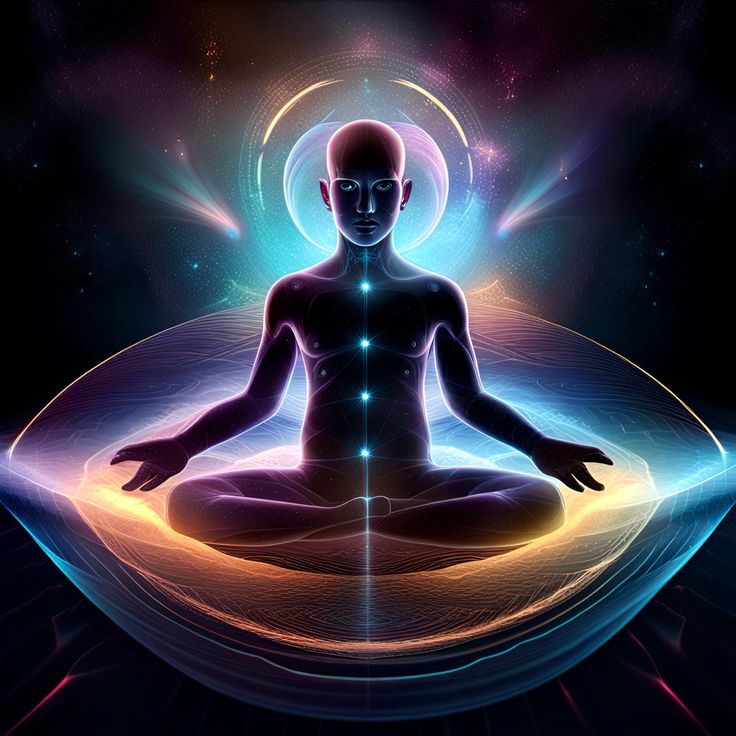
A: In the Upanishad, the Self is described as pure, eternal, formless, and unaffected by change. It is the witness of all experiences but is not limited by body, mind, or senses. The Self is the unchanging subject, while the world and mental phenomena are transient. Knowing this distinction is the essence of spiritual awakening and the first step toward liberation. Click Here To Access.
4. Q: Why is discrimination (viveka) important?
A: Viveka — the discrimination between the real (Self) and the unreal (body, mind, and world) — is central to this Upanishad. Ignorance arises when one identifies the Self with the body and external objects. When a seeker consistently discriminates between what is permanent and what is impermanent, attachment diminishes, and the mind becomes capable of resting in the true Self. This discrimination clears the path for liberation.
5. Q: What role does detachment (vairagya) play in Self-realization?
A: Vairagya, or detachment, is essential because it withdraws the mind from craving sensory pleasures and external achievements. When desires and attachments weaken, the mind becomes calm and inward-focused, creating fertile ground for meditation and Self-inquiry. Detachment does not mean indifference to daily life, but a shift of attention from external objects to inner awareness.
6. Q: How does meditation help in understanding the Self?
A: Meditation stabilizes the mind and reduces its restlessness, allowing sustained attention on the Self. In this tradition, meditation involves withdrawing attention from the senses and observing one’s own awareness. As the mind becomes still, ignorance dissolves and the seeker directly experiences the Self as pure consciousness, untouched by worldly phenomena. Click Here To Access.
7. Q: Does the Upanishad value rituals and ceremonies?
A: The Upanishad recognizes the place of rituals and scriptures as preparatory aids, but it clearly teaches that they are not sufficient for liberation. True Atmabodha comes from direct inner realization of the Self. Rituals may purify the mind and provide structure, but liberation arises only when ignorance is removed through knowledge and meditation.
8. Q: What is the nature of ignorance (avidya) according to this text?
A: Ignorance is the misconception that the Self is the body, mind, or senses — the false identification that binds one to suffering and repeated birth. It creates the illusion of duality, making one feel separate from others and from reality. Removing ignorance through self-knowledge reveals the Self as unchanging, non-dual awareness.
9. Q: How does the Upanishad define liberation (moksha)?
A: Liberation is the state where the seeker realizes the Self as pure, eternal consciousness and abides in that reality beyond all dualities, fear, and sorrow. In this state, bondage to the cycle of birth and death ends, and the individual experiences unchanging peace and bliss, independent of outward circumstances.
10. Q: What is the significance of the Self being the “witness”?
A: The Self is called the witness because it observes all experiences — thoughts, sensations, emotions — without being affected or altered by them. While the mind and body undergo change, the Self remains the unchanging observer. Understanding this distinction helps seekers detach from the impermanent and focus on the true essence of consciousness. Click Here To Access.
11. Q: How does the Upanishad view the world of forms?
A: The world of forms — names, shapes, and phenomena — is seen as transient and not the ultimate reality. Though experienced through senses and mind, it is not the Self. The Upanishad teaches that understanding this helps the seeker move beyond superficial attachment to inner realization.
12. Q: Is the Self separate from Brahman?
A: In this Advaita-oriented text, the Self (Atman) is not separate from Brahman; instead, they are one and the same reality. Realizing this non-dual truth dissolves all illusion of separateness and reveals the universe as a manifestation of a single consciousness.
13. Q: How does the text describe attachment and desire?
A: Attachment and desire are described as roots of bondage. They draw the mind outward toward sensory objects, creating distraction and suffering. When a seeker gradually reduces these through detachment and meditation, the mind becomes pure and steady, capable of perceiving the Self in its true form. Click Here To Access.
14. Q: What is the role of self-inquiry?
A: Self-inquiry (atma-vichara) is a practice of continuously questioning “Who am I?” beyond body and mind. It dissolves false identities and brings the seeker closer to the core reality of pure consciousness. Persistent self-inquiry leads to direct realization of the Self.
15. Q: How does the Upanishad describe the transition from ignorance to knowledge?
A: The transition begins with discrimination between the real (Self) and the unreal (non-Self), followed by detachment and meditation that purify the mind. When ignorance dissolves, the seeker directly experiences the Self as unchanging awareness, ending all illusions of duality and separation.
16. Q: What is meant by the Self being “unchanging”?
A: The Self is unchanging because it does not undergo birth, growth, decay, or death — in contrast to the body and mind. It remains constant amidst all experiences and is the fundamental ground of awareness. Recognizing this helps seekers detach from impermanent phenomena. Click Here To Access.
17. Q: How does the text define bliss (ānanda)?
A: Bliss (ānanda) is the natural state of the Self, arising from direct realization of its true nature. This bliss is not dependent on external objects but is an inner, unchanging quality of pure consciousness experienced once ignorance is removed.
18. Q: Does the Upanishad discuss the ego?
A: Yes — the ego is portrayed as the false identification of the Self with the body, mind, and roles. Dissolving the ego through self-inquiry and meditation is essential for realizing the Self in its pure form.
19. Q: What practical steps does this text recommend for seekers?
A: The Upanishad recommends discrimination (viveka), detachment (vairagya), meditation (dhyāna), and self-inquiry (atma-vichara) as practical means. By purifying the mind and turning awareness inward, seekers can overcome ignorance and realize the Self. Click Here To Access.
20. Q: What is the heart-message of the Atmabodha Upanishad?
A: The core message is that realizing the Self as pure, eternal consciousness — distinct from body, mind, and world — is the only way to attain liberation. External rituals and knowledge of scriptures are supportive, but true transformation arises from direct inner experience of the Self. This realization grants unshakable peace, bliss, and freedom from all forms of bondage.
Summary in Simple Life Terms
The Atmabodha Upanishad teaches that our real nature is pure consciousness — eternal, blissful, and unchanging. The sense of separation arises from ignorance identifying the Self with body and mind. Through discrimination, detachment, meditation, and sustained self-inquiry, one dissolves ignorance and experiences liberation. Knowing the Self as non-dual Brahman brings lasting peace and freedom.