Chapter 6 – Dhyana Yoga
In-Depth Question & Answer Explanation
1. What is the title of Chapter 6?
Answer:
Chapter 6 of the Bhagavad Gita is called Dhyana Yoga.
-
Dhyana = Meditation
-
Yoga = Path / Discipline
So, this chapter is the teaching of meditation and inner mastery. Click Here To Access more other text.

2. Why is meditation placed here in the Gita?
Answer:
Chapters 1-5 deal with:
-
emotional collapse
-
clarity
-
philosophy
-
action
-
detachment
Chapter 6 introduces the method to stabilize the mind:
Your mind must be disciplined to live wisdom in real life.
This chapter is the practical step where theory becomes experience.
3. What is Meditation according to Krishna?
Answer:
Krishna defines meditation as:
Focused attention on the Self, free from desire, aversion, and distraction.
Wikipedia summary:
A system of mental control and deep awareness.
This kind of meditation is:
-
not mystical
-
not escapism
-
not daydreaming
It’s focused awareness with inner discipline. Click Here For Chapter-6.
4. Why is mastering the mind so important?
Answer:
Krishna explains:
The mind is restless, turbulent, and difficult to control.
Wikipedia view:
Mastery over mind is essential for spiritual progress.
Real-life meaning:
-
Uncontrolled mind = anxiety
-
Restless mind = burnout
-
Distraction = stress
Meditation builds:
👉 focus
👉 emotional balance
👉 resilience
5. What is the difference between meditation and withdrawal?
Answer:
Krishna clarifies that:
❌ Meditation is not withdrawal from life
✅ Meditation is inner discipline while living in life
This is a core Gita distinction:
-
Monastic escape ≠ Meditation
-
Inner peace amid duty = True meditation
This aligns with modern psychology:
mindful presence rather than avoidance. Click Here For Chapter-6.
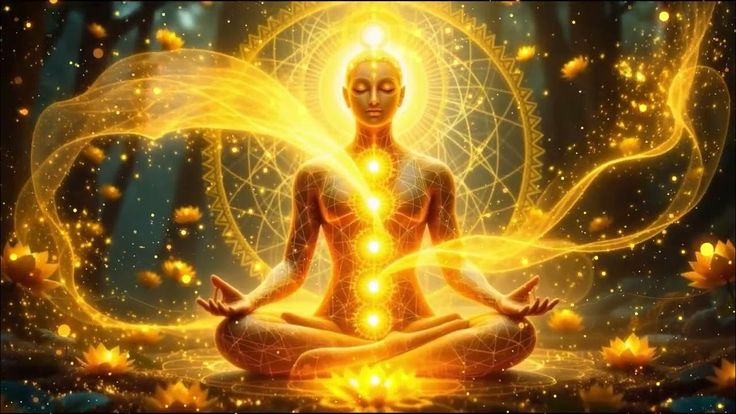
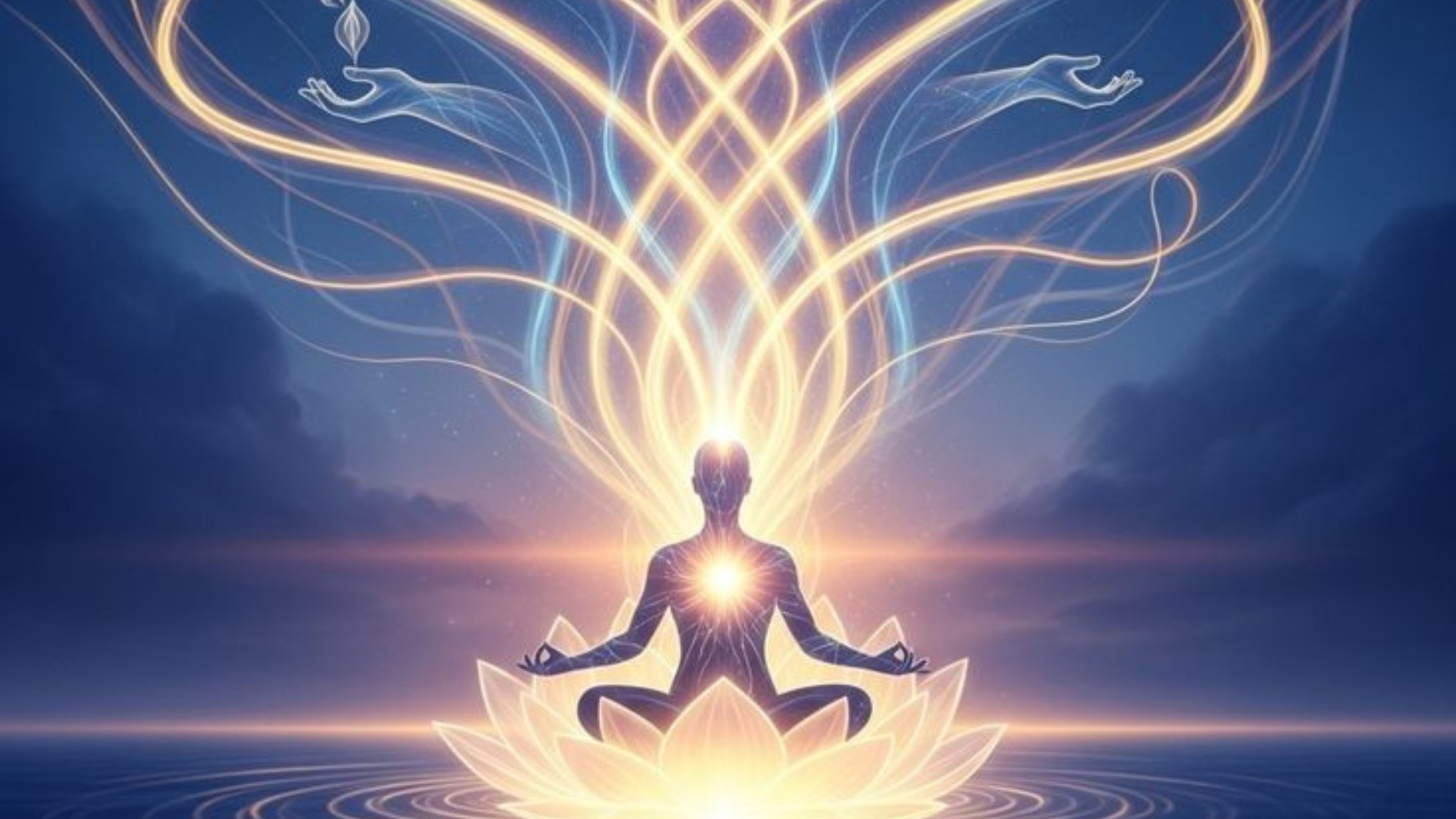
6. What is the correct posture Krishna explains?
Answer:
Krishna suggests:
-
Sit on a firm seat
-
Legs folded
-
Body straight
-
Hands steady
-
Eyes focused between eyebrows
Real-life application:
This posture represents balance and alert calm.
Not rigid →
Not sloppy.
The body supports meditation, but the mind does the real work. Click Here For Chapter-6.
7. What is the goal of meditation here?
Answer:
Krishna states:
Meditation leads to the realization of the Self
which ultimately leads to inner peace and liberation (moksha).
In simpler terms:
-
Mind calm
-
Intellect clear
-
Identity anchored
-
Actions mindful
Not emotionless —
But emotion regulated, not reactive.
8. How does Krishna describe the Meditative Mind?
Answer:
He describes the wise person as:
-
unattached
-
balanced in pleasure & pain
-
independent of external praise or blame
-
unwavering in peace
This matches the earlier Sthitaprajna concept (Chapter 2 & 3), now with a method: Meditation. Click Here For Chapter-6.
9. What happens when the mind is disciplined?
Answer:
Krishna says:
A disciplined mind leads to happiness and peace.
He emphasizes:
-
control of breath
-
control of senses
-
steadiness of thought
This is a version of what modern science calls:
👉 “mindfulness and autoregulation”
Benefits include:
-
lower stress response
-
better emotional control
-
improved decision making
-
deeper self-awareness Click Here For Chapter-6.
10. What happens if the mind is not disciplined?
Answer:
Krishna warns:
An uncontrolled mind leads to confusion, fear, and despair.
Real-world parallels:
-
Torn between tasks
-
Cannot focus
-
Mind jumps between thoughts
-
Worry loops
This is exactly the daily experience of:
👉 anxiety
👉 low attention
👉 scattered energy
Meditation builds focus muscles. Click Here For Chapter-6.
11. Is meditation optional or necessary?
Answer:
Krishna clearly states:
Meditation is a choice, but for those seeking real inner peace —
it’s necessary.
He says:
-
Some find peace through meditation
-
Others reach the same through selfless action
The paths merge:
👉 meditation strengthens action
👉 action prepares mind for meditation
12. How does Dhyana Yoga relate to daily life?
Answer:
This chapter is applied psychology:
Instead of:
-
running from emotions
-
suppressing thoughts
-
escaping reality
It teaches:
👉 Focus + Awareness + Presence
Real-life applications:
-
mindful studying
-
focused work
-
balanced relationships
-
emotional regulation
Meditation becomes:
👉 a tool for performance & peace
13. How is meditation described as freedom (Moksha)?
Answer:
Freedom is described not as:
-
never thinking
-
never feeling
But as:
👉 a mind not chained by outcomes
Krishna teaches:
The mind that rests in itself finds lasting peace.
This is very similar to modern mindfulness:
-
observe thoughts
-
don’t cling
-
let them pass
This is liberation in action. Click Here For Chapter-6.

Summary: Core Message of Chapter 6
Meditation is not escape — it is mastery of the mind.
Action + Detachment + Meditative Awareness
= Peace in life, not outside it.
One Deep Takeaway
A mind that masters itself sees life clearly;
a mind that chases peace outside remains restless.