Introduction
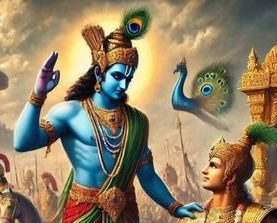
Bhagavad-Gītā Bhāṣyam – Volume 02 continues Ādi Śaṅkarācārya’s profound exposition of the Bhagavad-Gītā by entering deeply into the philosophical heart of the text. This volume primarily focuses on Chapter 2 (Sāṅkhya-Yoga), which Śaṅkara himself treats as a summary of the entire Gītā’s teaching. In this section, the Lord Kṛṣṇa directly addresses Arjuna’s sorrow (śoka), delusion (moha), and inner conflict, diagnosing their root cause as ignorance of the true Self (ātma-ajñāna). Śaṅkara’s Bhāṣya reveals how this chapter establishes Self-knowledge (jñāna) as the ultimate means to liberation, while skillfully integrating karma-yoga as a preparatory discipline for purification of the mind. Volume 02 lays the core Vedāntic framework upon which all later chapters of the Gītā stand. It clarifies the distinction between the imperishable Self and the perishable body-mind, resolving existential fear, grief, and confusion through discriminative wisdom. Click Here To Access more other text.

Central Focus of Volume 02
Śaṅkara highlights Chapter 2 as the essence of the Gītā, covering:
- The nature of the Ātman (Self)
- The cause of bondage (bandha)
- The role of action (karma)
- The nature of the liberated person (sthita-prajña)
This volume bridges philosophical inquiry with practical living, showing how knowledge transforms action into a means for inner freedom. Click view PDF.
Sanskrit Text (Devanāgarī)
पश्यैतां पाण्डुपुत्राणाम्
आचार्य महतीं चमूम् ।
व्यूढां द्रुपदपुत्रेण
तव शिष्येण धीमता ॥ १–३ ॥
Transliteration
paśyaitāṁ pāṇḍuputrāṇām
ācārya mahatīṁ camūm |
vyūḍhāṁ drupadaputreṇa
tava śiṣyeṇa dhīmatā || 1.3 ||
Word-by-Word Meaning
-
पश्य (paśya) – behold, see
-
एताम् (etām) – this
-
पाण्डुपुत्राणाम् (pāṇḍu-putrāṇām) – of the sons of Pāṇḍu
-
आचार्य (ācārya) – O Teacher
-
महतīm (mahatīm) – great, mighty
-
चमूम् (camūm) – army
-
व्यूढाम् (vyūḍhām) – arrayed, arranged in battle formation
-
द्रुपदपुत्रेण (drupada-putreṇa) – by the son of Drupada (Dhṛṣṭadyumna)
-
तव (tava) – your
-
शिष्येण (śiṣyeṇa) – disciple
-
धीमता (dhīmatā) – wise, intelligent Click view PDF.
English Translation
“Behold, O Teacher, this mighty army of the sons of Pāṇḍu,
arrayed in battle formation by the son of Drupada,
your wise disciple.”
Brief Context Note (Optional for Study)
In this verse, Duryodhana addresses Droṇācārya, pointing out the strength and strategic arrangement of the Pāṇḍava army. The reference to Dhṛṣṭadyumna as Droṇa’s own disciple subtly conveys Duryodhana’s unease and psychological insecurity, which Śaṅkarācārya later highlights in his commentary. Click view PDF.
Key Philosophical Teachings
Nature of the Self (Ātman)
-
The Self is unborn, eternal, changeless, and indestructible.
-
Death belongs to the body, not to the Self.
-
Grief arises from mistaking the body for the Self.
Śaṅkara explains that Self-knowledge alone removes sorrow, not external solutions.
Ignorance as the Cause of Suffering
-
Avidyā (ignorance) leads to identification with the body and emotions.
-
This false identification produces fear, attachment, and grief.
-
Knowledge (jñāna) destroys ignorance instantly, like light removes darkness.
Karma Yoga as a Means of Preparation
-
Action is unavoidable.
-
Actions performed without attachment to results purify the mind.
-
Karma-yoga is not liberation itself, but a means to prepare for Self-knowledge.
Śaṅkara is clear: Click view PDF.
Liberation is gained through knowledge, not action — but purified action makes knowledge possible.
Doctrine of Sthita-prajña (The Liberated Sage)
Volume 02 introduces the famous description of the wise, steady person:
-
Free from desire and fear
-
Unshaken by pleasure and pain
-
Established in Self-knowledge
-
Engages in the world without attachment
This section provides a practical model of spiritual maturity.

Key Points in Volume 02
-
Establishes Jñāna-yoga as the primary path to mokṣa
-
Explains the role and limits of Karma-yoga
-
Introduces Self-knowledge as immediate liberation
-
Defines the characteristics of a liberated person
-
Resolves grief through discrimination between Self and non-Self Click view PDF.
Benefits of Studying Volume 02 with Śaṅkara’s Bhāṣya
Clarity on Life & Death
Removes fear of death by revealing the eternal nature of the Self.
Freedom from Emotional Turmoil
Grief, anxiety, and attachment are understood as errors of perception.
Integration of Action & Wisdom
Teaches how to live actively without inner bondage.
Foundation of Vedānta
Provides the philosophical base needed to understand later chapters of the Gītā.
Major Themes Covered
Vedānta Essentials
-
Distinction between Self (Ātman) and body-mind
-
Impermanence of the world
-
Eternity of consciousness
Dharma & Action
-
Duty performed without attachment
-
Renunciation through understanding, not withdrawal
Path to Liberation
-
Karma-yoga → purification
-
Jñāna-yoga → liberation
Spiritual Psychology
-
Desire as the root of suffering
-
Equanimity as the sign of wisdom Click view PDF.
How to Study Volume 02 Effectively
Recommended Method
-
Read the Sanskrit verse carefully
-
Study Śaṅkara’s Bhāṣya word-by-word
-
Note definitions of key Vedāntic terms
-
Reflect on how ignorance operates in daily life
-
Revisit verses on Ātman and sthita-prajña repeatedly
Study Pace
-
Slow, contemplative study is encouraged
-
One or two verses per session is traditional
-
Reflection is more important than speed Click view PDF.
Why Volume 02 Is Crucial
Philosophical Reason
It establishes the entire logic of Advaita Vedānta within the Gītā.
Practical Reason
It teaches how to live in the world without inner disturbance.
Spiritual Reason
It reveals liberation as a shift in understanding, not a future event. Click view PDF.
Conclusion
Bhagavad-Gītā Bhāṣyam – Volume 02 is the philosophical core of the Gītā. Through Śaṅkarācārya’s precise reasoning and compassionate insight, this volume dismantles sorrow at its root and reveals the Self as ever-free, complete, and untouched by change. It transforms Arjuna’s grief into wisdom — and offers the same transformation to every sincere seeker. Studying this volume carefully lays a lifelong foundation for Vedāntic inquiry, inner stability, and true freedom (mokṣa).
Join Our Classes:
The Bhagavad Gita is more than just a book—it’s a guide to living with balance and peace. Our classes make its deep wisdom easy to understand and apply in everyday life. Join us to explore the teachings and see the world in a new light!