What is the Bhagavad Gita?
The Bhagavad Gita (भगवद् गीता) is a sacred Hindu scripture that is part of the Mahabharata (Book 6 – Bhishma Parva, Chapters 23-40). It consists of 700 verses in Sanskrit, presented as a dialogue between Lord Krishna and Arjuna on the battlefield of Kurukshetra.It is one of the most revered spiritual texts in Hinduism, offering guidance on dharma (duty), bhakti (devotion), karma (action), and jnana (knowledge).
The Context of the Bhagavad Gita
The Mahabharata describes a great war between two royal families—the Pandavas (righteous rulers) and the Kauravas (greedy rulers). As the war is about to begin, Arjuna, the greatest warrior among the Pandavas, sees his relatives, teachers, and friends on both sides. He is overcome with grief, doubt, and moral confusion about fighting his own people. At this moment, Lord Krishna, serving as Arjuna’s charioteer and divine guide, imparts spiritual wisdom. This conversation between Krishna (God) and Arjuna (the seeker) forms the Bhagavad Gita. you can visit the Suggested Course of Study page on Click to view Summary pdf.

Who is the Writer of the Bhagavad Gita?
The Bhagavad Gita is part of the Mahabharata, which is traditionally attributed to Maharishi Vyasa (Vedavyasa).
1. Maharishi Vyasa – The Compiler of the Mahabharata
- Vyasa, also known as Krishna Dvaipayana Vyasa, is believed to have written and compiled the Mahabharata, which includes the Bhagavad Gita (Bhishma Parva, Chapters 23-40).
- He is considered a great sage and scholar, responsible for dividing the Vedas into four parts—Rig Veda, Yajur Veda, Sama Veda, and Atharva Veda.
- Fact: Vyasa is also said to have composed the Puranas and the Brahma Sutras.
2. The Role of Lord Krishna
-
- While Vyasa recorded the Gita, the actual speaker is Lord Krishna.
- Krishna, as the Supreme Being (Bhagavan), delivered the teachings to Arjuna on the battlefield of Kurukshetra.
- The Gita is considered not just a historical text but divine wisdom that existed eternally.
- Instead of giving redirection to vedantastudents.com, give suggested course of page link
Bhagavad Gita 4.1:
“I first taught this eternal knowledge to the Sun God; it was then passed down through generations.”
3. How Was the Bhagavad Gita Written?
- According to tradition, Vyasa dictated the Mahabharata to Lord Ganesha, who wrote it down.
- Vyasa is both the author and narrator, while Ganesha acted as the scribe.
- Key Fact: Since the Gita is a divine conversation, Vyasa is often called the compiler rather than the author.

Main Teachings of the Bhagavad Gita
1. The Soul (Atman) is Eternal
- The body is temporary, but the soul never dies.
- Death is just a transition; the soul is reborn in a new body (Reincarnation).
- Key Verse: “Just as a person discards old clothes and wears new ones, the soul discards old bodies and takes new ones.”
2. Duty (Dharma) and Righteousness
- Everyone must perform their duty (swadharma) without selfish desires.
- Arjuna’s duty as a warrior (Kshatriya Dharma) is to fight for justice.
- Key Verse: “You have the right to perform your duty, but not the right to its fruits.”
3. The Three Paths to Liberation (Moksha)
Karma Yoga (Path of Selfless Action)
- Act without attachment to rewards.
- Work should be done as a sacred duty.
- Key Verse: “A wise person performs duty without attachment, for the welfare of the world.”
Bhakti Yoga (Path of Devotion)
- Surrender to God with love and faith.
- Devotion to Krishna grants liberation.
- Key Verse: “Whoever worships Me with love, I protect them and grant them liberation.”
Jnana Yoga (Path of Knowledge and Wisdom)
- Self-realization leads to liberation.
- The ultimate truth is knowing that the individual self and the Supreme Self are one.
- Key Verse: “A wise person sees a priest, a cow, an elephant, and a dog as equal.”
4. The Universal Form of God (Vishvarupa Darshan)
- Krishna shows His divine cosmic form to Arjuna—an infinite, all-powerful vision of creation, destruction, and time.
- Key Verse: “Time, I am, the destroyer of worlds.”
5. Surrender to Krishna (God)
- Krishna asks Arjuna to surrender fully to Him for ultimate peace.
- Krishna promises freedom from all sins and guarantees liberation (moksha).
- Key Verse: “Abandon all duties and surrender to Me. I will liberate you from all sins; do not grieve.”

Bhagavad Gita – Summary of All 18 Chapters
The Bhagavad Gita consists of 18 chapters and 700 verses, forming a conversation between Lord Krishna and Arjuna on the battlefield of Kurukshetra. Arjuna faces a moral crisis about fighting his own family members in the war, and Krishna imparts divine wisdom, guiding him on duty (dharma), devotion (bhakti), selfless action (karma), and knowledge (jnana).
Study To Access Click here to view the Summary of All 18Chapters of Bhagavat Gita.
Final Lesson
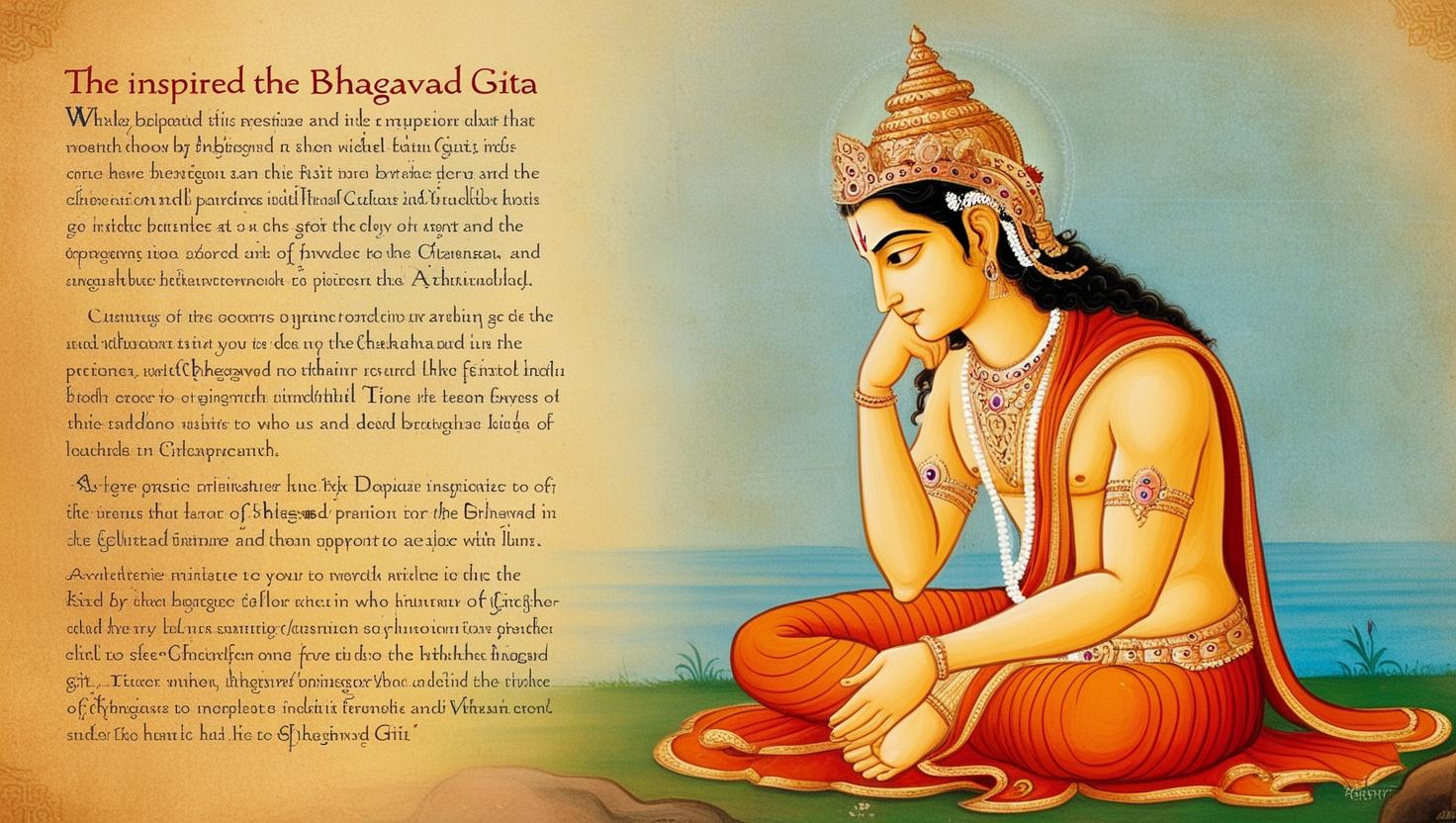
At the start, Arjuna is filled with doubt, fear, and sorrow. But by the end, he gains wisdom, clarity, and courage through Krishna’s teachings.
Arjuna’s realization:
“My doubts are gone. I will act according to Your command.” (Gita 18.73)
Why is the Bhagavad Gita Important?
- A spiritual guide for life.
- Teaches duty, wisdom, and devotion.
- Helps in decision-making and inner peace.
- Provides a path to liberation (moksha).
Why is the Bhagavad Gita Important Today?
- Teaches how to live a meaningful and fulfilling life.
- Helps in decision-making and overcoming fear.
- Guides people towards inner peace, righteousness, and spiritual growth.
The Bhagavad Gita is more than a scripture—it is a manual for life, relevant to all people, at all times.
Conclusion
In the final chapter (Chapter 18), Lord Krishna summarizes all His teachings and gives the ultimate conclusion of the Bhagavad Gita. He emphasizes duty (dharma), devotion (bhakti), selfless action (karma), and surrender (sharanagati) as the highest path to liberation (moksha). Know More About Bhagavad Gita.
Join Our Classes:
The Bhagavad Gita is more than just a book—it’s a guide to living with balance and peace. Our classes make its deep wisdom easy to understand and apply in everyday life. Join us to explore its teachings and see the world in a new light!