Brihadaranyaka Upanishad – Introduction
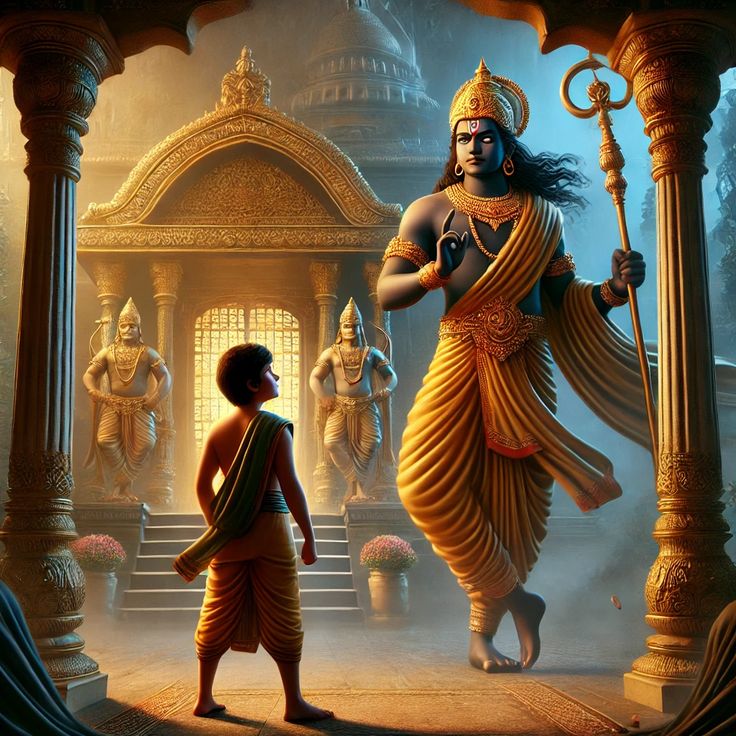
The Brihadaranyaka Upanishad is one of the oldest and most extensive Upanishads, associated with the Shukla Yajur Veda. It explores fundamental questions about existence, consciousness, the Self (Ātman), and the ultimate reality (Brahman). The text includes deep philosophical dialogues — such as those between Yajnavalkya and his students — that explain the nature of the universe, the Self, the meaning of life, and the path to liberation (moksha). Click Here To Access more other text.
Clear Question & Answer Format (10 Q&A)
What is the Brihadaranyaka Upanishad?
Answer:
The Brihadaranyaka Upanishad is a major Upanishad that teaches about the nature of the Self, the universe, and ultimate reality through philosophical dialogues and metaphors.
👉 Life Connection:
It helps us understand who we are beyond roles, jobs, emotions, and social identities. Click Here To Access.
Who is Yajnavalkya in this Upanishad?
Answer:
Yajnavalkya is a great sage and philosopher who explains spiritual truths, especially the nature of the Self and liberation, to his students and wife Maitreyi.
👉 Life Connection:
Instead of superficial knowledge, deep questioning and reflection are needed to gain true understanding.
What is the nature of the Self (Ātman)?
Answer:
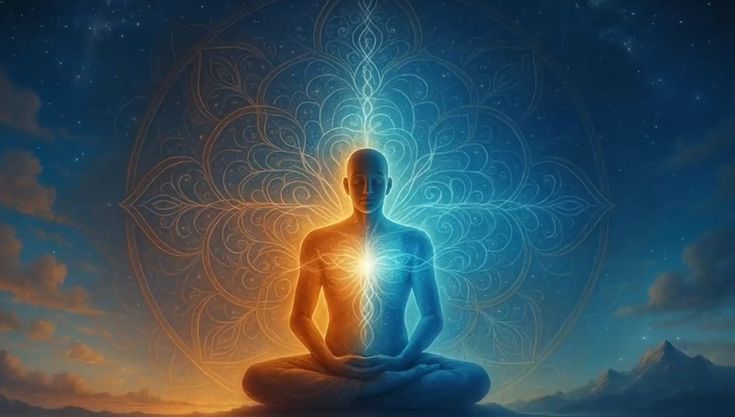
The Upanishad teaches that the Self is eternal, formless, beyond body and mind, and identical with the ultimate reality (Brahman).
👉 Life Connection:
Identifying less with temporary roles (job, success, family) increases inner confidence and reduces fear. Click Here To Access.
What does the text say about ignorance (avidya)?
Answer:
Ignorance is mistaking the body, mind, and personality for the true Self — causing fear, attachment, and suffering.
👉 Life Connection:
Many emotional problems come from identifying with thoughts and roles. Seeing the self as deeper awareness brings calm.
What is division between self and world?
Answer:
The Upanishad shows that the appearance of separation between the self and the world is a mistaken perception; in truth, all existence is one unified reality. Click Here To Access.
👉 Life Connection:
This reduces loneliness, comparison, and judgment — fostering harmony and compassion in relationships.

What does it mean to know the Self?
Answer:
Knowing the Self means realizing that you are not merely a body or mind but the eternal awareness in which all experience happens.
👉 Life Connection:
This understanding reduces fear of death, failure, and loss. Click Here To Access.
How does this Upanishad view desires and attachments?
Answer:
Desires and attachments are seen as causes of suffering because they bind the mind to temporary phenomena.
👉 Life Connection:
Letting go of excessive craving and attachment helps reduce anxiety and emotional instability.
What role does meditation and reflection play?
Answer:
Meditation and introspection help one observe the mind and recognize the eternal Self beneath thoughts and emotions.
👉 Life Connection:
Meditation creates focus, emotional balance, and clarity in a fast-changing world.
How is the universe described in this text?
Answer:
The Upanishad describes the universe as originating from and sustained by the same ultimate reality (Brahman).
👉 Life Connection:
Instead of seeing life as random, this view gives meaning and purpose — everything is rooted in deeper unity.

Why is the Brihadaranyaka Upanishad relevant today?
Answer:
It addresses deep human questions about identity, purpose, consciousness, and existence — helping people navigate stress, identity confusion, and emotional instability with insight and clarity.
👉 Life Connection:
This wisdom helps people balance life, relationships, success, and inner peace in a more meaningful way.
Brihadaranyaka Upanishad – Final Conclusion
The Brihadaranyaka Upanishad is not merely an old philosophical text but a deep guide to understanding human existence and consciousness. Through dialogues and reflections, it reveals that the true Self is eternal awareness beyond the body and mind, and that liberation comes from knowing this truth. In a world filled with pressure, emotional stress, identity confusion, and competition, its teachings offer clarity, confidence, compassion, and lasting peace. By recognizing the unity of all existence and understanding one’s deeper nature, a person can live with wisdom, balance, and inner strength.