The Nature and Manifestation of the Self
Chapter 2 of the Aitareya Upanishad focuses on the nature and manifestation of the Self within the human body. It explains that the Self enters the body and becomes the conscious principle that governs all faculties, senses, and vital forces. The Upanishad highlights how speech, mind, sight, hearing, and other faculties are expressions of the Self’s presence. By understanding the Self as the inner ruler, one realizes that all experiences, thoughts, and actions originate from the same consciousness. This chapter emphasizes the unity of the individual Self with the cosmic Self, revealing that the body is a sacred vessel for spiritual knowledge. Ultimately, it teaches that recognizing the Self within leads to wisdom and liberation. For More Information Click Here
Verse-by-Verse Summary – Manifestation of the Self in the Body
Verse 1: The Self enters the human body, becoming the conscious principle that animates all faculties.
Verse 2: Speech and mind are energized by the Self, enabling thought, communication, and perception.
Verse 3: Sight, hearing, and other senses function under the guidance of the Self within.
Verse 4: The vital forces (Pranas) act in harmony under the Self’s control, sustaining life.
Verse 5: All experiences, actions, and mental activities arise from the Self’s presence in the body.
Verse 6: Recognizing the Self as the inner ruler leads to wisdom, self-awareness, and ultimately, liberation (Moksha).
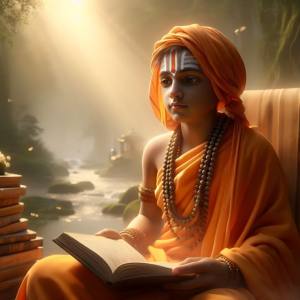
Shankaracharya’s Insights on Chapter 2 (Aitareya Upanishad)
Shankaracharya explains that Chapter 2 highlights the Self as the indwelling consciousness (Antaryamin) that animates and governs the body, mind, and senses. He emphasizes that the faculties—speech, mind, sight, hearing, and vital forces—are instruments of the Self, not independent entities. According to Shankara, understanding that all actions and experiences originate from the Self leads the seeker to transcend ego and bodily identification. This chapter teaches that recognizing the unity of the individual Self with the cosmic Self is essential for attaining wisdom and liberation (Moksha). It reinforces the Advaita principle that consciousness alone is the ultimate reality. For More Information Click Here
Significance of the Self as the Inner Ruler
Chapter 2 is important because it explains how the Self pervades and controls all faculties, senses, and vital forces within the human body. It emphasizes that every thought, action, and perception arises from the Self, highlighting the unity of individual consciousness with the universal Brahman. This understanding encourages self-awareness and introspection, guiding the seeker to transcend bodily identification and ego. By revealing the divine presence within, the chapter underscores the sacredness of human life and the unique opportunity it provides for spiritual knowledge. Ultimately, it lays the foundation for realizing the Self and attaining liberation (Moksha). For More Information Click Here

Conclusion
Chapter 2 of the Aitareya Upanishad emphasizes that the Self is the indwelling consciousness governing all faculties, senses, and vital forces within the human body. By recognizing that all actions, experiences, and perceptions arise from the Self, one gains self-awareness and transcends identification with the body and ego. Shankaracharya’s insights reinforce that understanding this unity between the individual Self and the cosmic Self is essential for spiritual growth. Ultimately, this chapter teaches that realizing the divine presence within leads to wisdom, liberation (Moksha), and the highest fulfillment of human life.
Join Our Classes:
The Upanishads are more than just ancient texts—they are timeless guides to living with clarity, balance, and inner peace. Our classes make their profound wisdom easy to understand and apply in everyday life. Join us to explore these teachings and discover a new way of seeing yourself and the world!