Chandogya Upanishad – Chapter 3 Overview
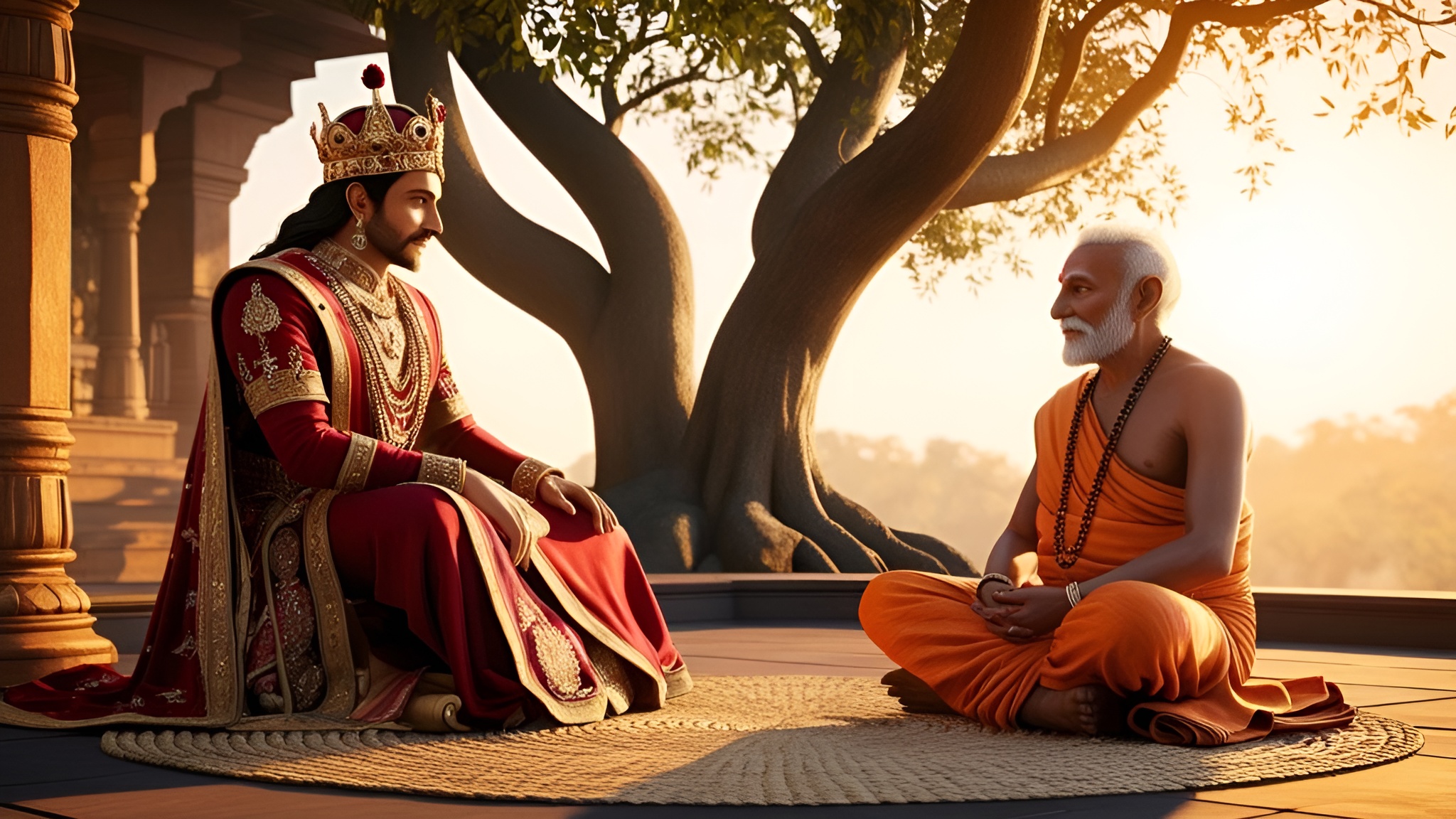
Chapter 3 of the Chandogya Upanishad centers on the Udgitha (Om) meditation, continuing the symbolic and ritualistic reflections introduced earlier. It highlights how Om is connected with the sun, breath, speech, and mind, showing its cosmic and spiritual power. Through various parables and symbolic identifications, the text teaches that Om sustains both the individual and the universe. Special emphasis is placed on Prana (life-breath) as superior to all faculties, revealing its role as the support of existence. Stories illustrate how meditations on Om empower the gods and elevate the seeker. Thus, Chapter 3 reinforces Om as the bridge between ritual practice and higher spiritual realization. For More Information Click Here
Theme of Chapter 3
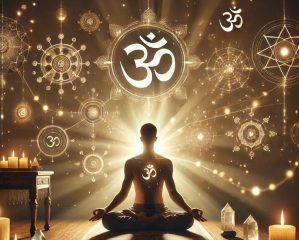
The central theme of Chapter 3 is the Udgitha (Om) meditation as the sustaining power of both the cosmos and the individual. It explores symbolic identifications of Om with the sun, breath, speech, and vital forces, while illustrating its supremacy through stories and ritual contexts.
What Chapter 3 Teaches Us
This chapter teaches that meditating on Om as Prana purifies and strengthens the seeker, granting harmony, protection, and success. By showing Prana as the source of all faculties, it guides the mind beyond ritual symbolism toward the recognition of Om as the inner Self. Ultimately, Chapter 3 bridges the world of ritual and meditation with the higher knowledge of Brahman.
Essence of Chapter 3
Meditating on Om as Prana reveals the life-sustaining force behind creation and prepares the seeker for the realization of Brahman, the infinite Self.

Section-wise Summary of Chapter 3
- Khanda 1: Introduces Udgitha (Om) as the basis of meditation, linked with breath and cosmic order.
- Khanda 2: Om should be meditated upon as the sun, the source of light and energy.
- Khanda 3: Om is associated with space (akasa), the infinite expanse holding all.
- Khanda 4: Om identified with speech, the vehicle of knowledge and communication.
- Khanda 5: Om as Prana (life-breath), proving its supremacy over all faculties.
- Khanda 6: Story of senses and gods disputing supremacy, resolved in favor of Prana.
- Khanda 7: Om related to mind, the directing and creative power.
- Khanda 8: Om connected with food and water, essentials for life.
- Khanda 9: Om equated with truth (satya), aligning meditation with reality.
- Khanda 10: Meditation on Om as prosperity and strength, bestowing victory.
- Khanda 11: Om linked with immortality, leading beyond death.
- Khanda 12: Concludes with the supremacy of Prana and Om, bringing worldly success and spiritual elevation. For More Information Click Here

Sankaracharya’s Insights on Chapter 3
Sankaracharya explains that the symbolic meditations of Chapter 3, centering on Om (Udgitha), are meant to discipline and purify the seeker’s mind rather than to provide ultimate liberation. By identifying Om with the sun, space, speech, mind, and vital breath, the text gradually trains the seeker to see the sacred in all aspects of life. The declaration of Prana (life-breath) as supreme is interpreted by Sankara as an intermediate step—it emphasizes the indispensability of Prana but reminds us that even Prana has its basis in Brahman, the absolute reality. The stories of the senses and deities debating supremacy serve as teaching devices, showing that only when all faculties recognize their dependence on Prana (and ultimately on Brahman) can true understanding arise. For Sankaracharya, this chapter represents a transition from ritualistic upasanas to deeper inquiry, preparing the seeker to go beyond symbols and realize Om as the very essence of the Self. For More Information Click Here

Conclusion
Chapter 3 of the Chandogya Upanishad deepens the meditation on Om (Udgitha) by linking it with the sun, space, speech, mind, and above all, Prana (life-breath). Through symbolic meditations and parables, it teaches that Prana sustains all faculties and that Om, as its expression, becomes the key to strength, harmony, and spiritual growth. Sankaracharya reminds us that while these meditations purify the mind and prepare the seeker, their ultimate goal is to point beyond symbols toward Brahman, the infinite Self. Thus, this chapter bridges the world of ritual with the higher wisdom of Advaita, leading the seeker closer to self-realization.
Join Our Classes:
The Upanishads are more than just ancient texts—they are timeless guides to living with clarity, balance, and inner peace. Our classes make their profound wisdom easy to understand and apply in everyday life. Join us to explore these teachings and discover a new way of seeing yourself and the world!