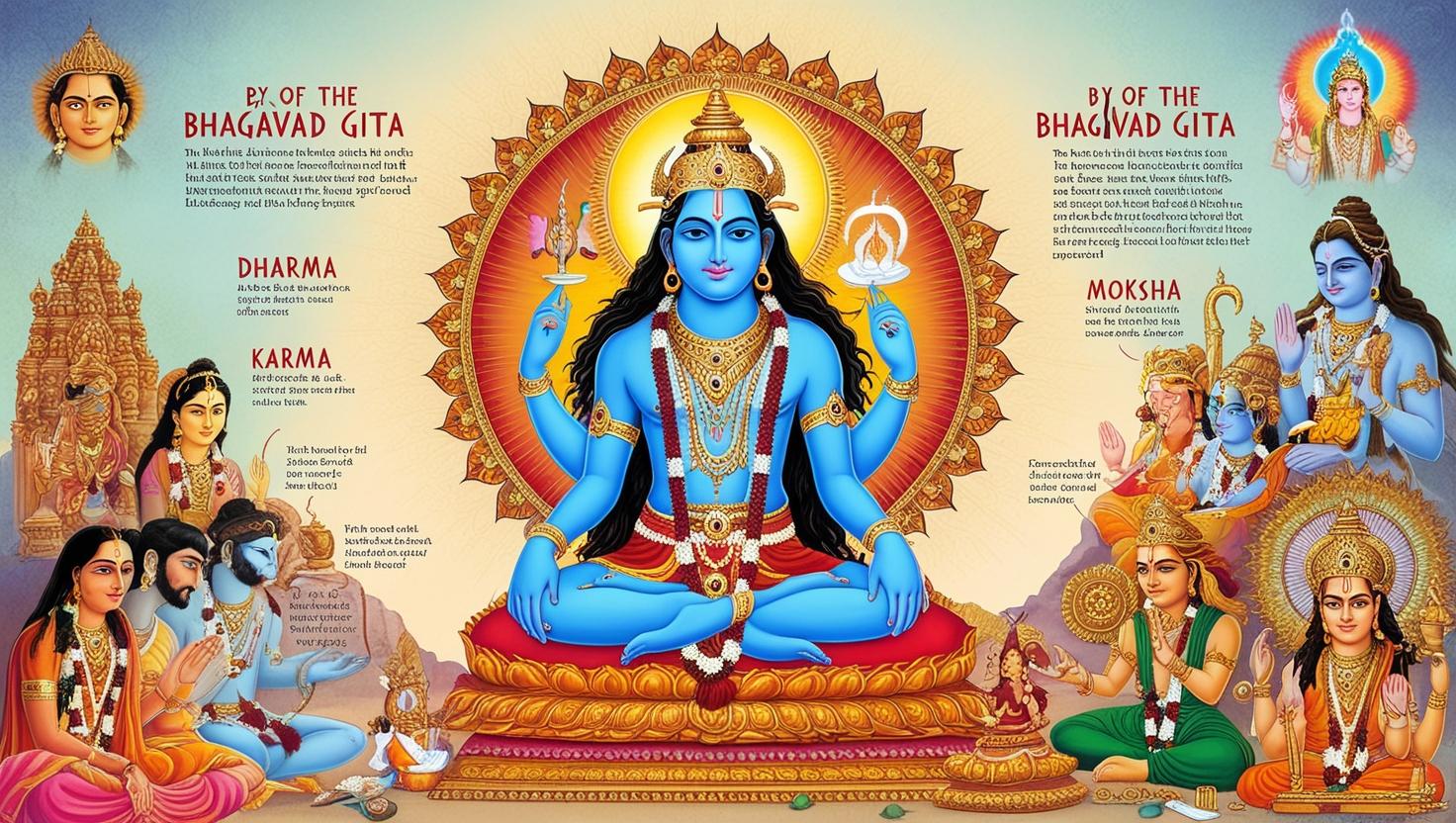
Chapter-12 Bhakti Yoga (Bhagavad Gita)

Chapter-12 Bhakti Yoga (Bhagavad Gita)

Introduction:

Chapter 12 of the Bhagavad Gita, titled “Bhakti Yoga” or “The Path of Devotion,” emphasizes the significance of devotion to God as a means to attain spiritual enlightenment and liberation. This chapter delineates various forms of devotion and the qualities inherent in true devotees. Vedanta Students.

Key Themes of Chapter 12 – Bhakti Yoga:

Forms of Worship:
  • Saguna Bhakti (Worship of God with Attributes): Devotees worship a personal deity with form and qualities, engaging in practices like rituals, chanting, and offerings.
  • Nirguna Bhakti (Worship of the Formless Absolute): Devotees meditate on the formless, attributeless Brahman, focusing on the infinite and unmanifested aspect of the divine.
Supremacy of Devotion:
    • Krishna underscores that sincere devotion, irrespective of the form, leads to the ultimate union with the divine. He expresses that devotees who worship with unwavering faith are especially dear to Him.Click Here For Chapter-12.

Qualities of an Ideal Devotee:
    • The chapter enumerates characteristics such as non-enmity, compassion, humility, contentment, self-control, and unwavering faith as hallmarks of a true devotee. Click Here For Chapter-12.

Paths to Devotion:
  • Krishna outlines a hierarchy of spiritual practices leading to devotion:Click Here For Chapter-12.
  • Performing all actions for God (Karma Yoga).
  • Meditating upon God with a focused mind (Dhyana Yoga).
  • Renouncing the fruits of actions, leading to inner peace.
Practical Applications of Bhakti Yoga:

  • Cultivating Divine Qualities: Embodying virtues like compassion, humility, and selflessness in daily interactions.
  • Dedicated Practice: Engaging in regular prayer, meditation, and selfless service as expressions of devotion.
  • Equanimity: Maintaining a balanced mind amidst life’s dualities, such as pleasure and pain, success and failure.Click Here For Chapter-12.

Key Slokas

Here are some key slokas from Chapter 12 – Bhakti Yoga of the Bhagavad Gita, highlighting the essence of devotion:

  1. Verse 12.2 – Krishna affirms that those who worship Him with devotion are the dearest to Him.
  2. Verse 12.13-14 – Lists the qualities of an ideal devotee: free from hatred, kind, content, forgiving, and devoted.
  3. Verse 12.20 – Concludes with Krishna declaring that those who follow the path of loving devotion are supremely dear to Him.

Benefits of Bhakti Yoga

Here are key benefits of Bhakti Yoga from Chapter 12 of the Bhagavad Gita:

  • Inner Peace: Devotion calms the mind and heart, reducing anxiety and emotional turmoil.
  • Freedom from Ego: Bhakti dissolves the sense of separateness, promoting humility.
  • Spiritual Fulfillment: Leads to deeper connection with the Divine and a sense of divine presence.
  • Universal Love: Cultivates compassion, tolerance, and unconditional love.
  • Liberation (Moksha): Krishna assures that sincere devotion leads to union with the Supreme.
Keys of Bhakti Yoga

The keys of Bhakti Yoga in Chapter 12 of the Bhagavad Gita include:

  • Unwavering Faith in the Divine.
  • Selfless Surrender of ego and desires.
  • Constant Remembrance of God through love and devotion.
  • Equanimity in joy and sorrow.
  • Compassion, humility, and tolerance as traits of an ideal devotee.
  • Detachment from material outcomes, focusing solely on the Divine. Click Here For Chapter-12.

why use Bhakti Yoga

1. Authenticity & Accuracy

  • These resources are created by scholars, monks, or traditional schools like Vedanta, ensuring faithful translation and commentary on the original Sanskrit verses.

  • For example, Swami Sivananda or Swami Chinmayananda provide time-tested interpretations rooted in the Vedic tradition.

2. Verse-by-Verse Clarity

  • The Bhagavad Gita is poetic and philosophical, and every verse (sloka) has layers of meaning.
  • References like holy-bhagavad-gita.org break it down line-by-line with English explanations, Sanskrit pronunciation, and practical meaning.

3. Practical Applications

  • Bhakti Yoga is not just theory – it’s a spiritual path to be lived.
  • These references explain how to practice Bhakti daily (devotion, selflessness, humility, etc.), not just what the Gita says in abstract.

4. Different Perspectives

  • Scholars from various lineages (like Adi Shankaracharya, Ramanujacharya, Swami Prabhupada) offer unique insights into Bhakti Yoga.
  • Using multiple sources helps you understand the diversity of interpretations and choose what resonates most.

5. Credibility in Sharing/Teaching

  • If you’re writing, teaching, or sharing content with others, citing trusted references adds credibility to your work.
  • It shows you’ve researched well and respect the depth of the scripture. Click Here For Chapter-12.

Conclusion

Bhakti Yoga, the twelfth chapter of the Bhagavad Gita, emphasizes devotion as the simplest and most heartfelt path to union with the Divine. Lord Krishna teaches that sincere love and surrender, beyond rituals or intellectual knowledge, lead to spiritual liberation (moksha). Whether one worships a personal deity (Saguna) or the formless absolute (Nirguna), it is the purity of the heart that truly matters. This path nurtures divine qualities like compassion, humility, and inner peace, making the devotee beloved to God. Bhakti Yoga offers a deeply personal and accessible way to experience the Divine and attain lasting fulfillment.

Join Our Classes:

The Bhagavad Gita is more than just a book—it’s a guide to living with balance and peace. Our classes make its deep wisdom easy to understand and apply in everyday life. Join us to explore the teachings and see the world in a new light!

Explore More Text Join Our Classes

1.Watch Chapter-12 [Verses1&3] YouTube Video

2.Watch Chapter-12[Verses 4&12] YouTube Video 3.Watch Chapter-12 [Verses13&20] YouTube Video

WordPress Video Lightbox
Scroll to Top