
Chapter 13 – Ksetra-Ksetrajna Vibhaga Yoga
Introduction:
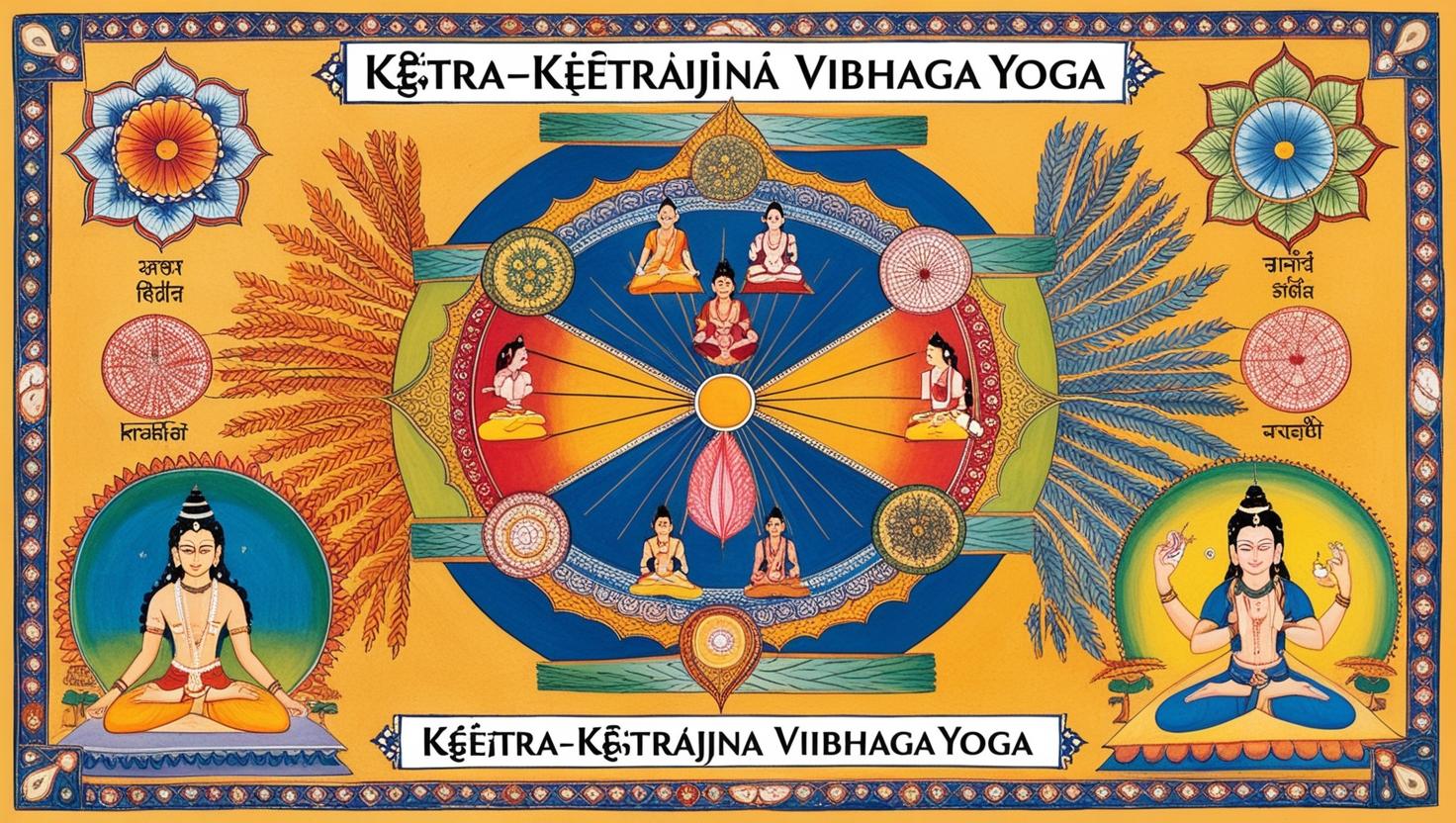
Chapter 13 of the Bhagavad Gita introduces a profound philosophical inquiry into the nature of reality by differentiating between Kṣetra (the Field)—the physical body and material world—and Kṣetrajña (the Knower of the Field)—the eternal Self or Soul. This chapter emphasizes self-knowledge and discrimination (Viveka) as tools to attain liberation (Moksha). Krishna teaches that realizing this distinction leads to enlightenment and detachment from material bondage. Access Bhagavad Gita Notes & Summary.

Key Themes of Chapter 13 – Kṣetra-Kṣetrajna Vibhaga Yoga
1. Definition of Kṣetra and Kṣetrajna (Verses 1–7)
- Kṣetra includes the body, senses, mind, and the entire material realm.
- Kṣetrajña is the conscious being—the soul—that experiences and observes the field.
Key Verse (13.2):
“Know Me, O Arjuna, as the Knower of the Field in all fields.”
2. True Knowledge (Jnana) and its Nature (Verses 8–12)
- Krishna explains that real knowledge lies in recognizing the impermanence of the body and the permanence of the soul.
- He describes 20 qualities such as humility, non-violence, self-control, detachment, and surrender to God as marks of true knowledge. Click Here For Chapter-13.
Key Verse (13.11):
“Unswerving devotion to Me, with single-minded concentration, is true knowledge.”
3. The Supreme Being and Its Immanence (Verses 13–19)
- The Supreme Brahman is described as unmanifest, eternal, and all-pervading.
- God resides within everything, yet is untouched by material nature.
Key Verse (13.17):
“Though indivisible, It appears to dwell in separate beings; It is to be known as the supporter of all, and the destroyer and the creator.”
4. Matter (Prakriti) and Spirit (Purusha) (Verses 20–24)
- Prakriti: The material world made up of the three gunas (Sattva, Rajas, Tamas).
- Purusha: The eternal witness, unchanging and unaffected by Prakriti.
Key Verse (13.23):
“He who sees the supreme Purusha dwelling alike in all beings and never perishing, truly sees.”
5. The Path to Liberation (Verses 25–35)
- Liberation is possible through knowledge, meditation, or selfless service.
- The enlightened one sees no distinction between the Self and others.
- Click Here For Chapter-13.
Key Verse (13.28):
“He who sees the Self in all beings and all beings in the Self never turns away from it.”
Key Teachings of Kṣetra-Kṣetrajña Vibhāga Yoga
- Discrimination (Viveka): Know the difference between body (field) and soul (knower).
- Supreme Knowledge (Jnana): Knowing the eternal self is true wisdom.
- God as Universal Witness: The Supreme resides in all beings as consciousness.
- Unity in Diversity: Despite apparent separation, all beings share the same divine essence.
- Liberation through Self-Knowledge: Moksha comes by recognizing the Atman beyond body and mind.
- Click Here For Chapter-13.
Practical Applications
- Self-Reflection: Examine your life beyond the physical and emotional layers.
- Detachment: Realize the body is temporary—this leads to peace and fearlessness.
- See God in All: Treat all beings with compassion and equality.
- Practice Humility and Simplicity: Cultivate the qualities Krishna identifies as true knowledge.
- Engage in Satsang and Meditation: Deepen awareness of the Self through wisdom and spiritual association.

Key Slokas from Chapter 13
(13.2) – The Knower of the Field
Sanskrit:
इदं शरीरं कौन्तेय क्षेत्रमित्यभिधीयते।
एतद्यो वेत्ति तं प्राहुः क्षेत्रज्ञ इति तद्विदः॥
Translation:
“This body is called the Field; he who knows it is called the Knower of the Field.”
(13.28) – Seeing the Self in All
Sanskrit:
समं सर्वेषु भूतेषु तिष्ठन्तं परमेश्वरम्।
विनश्यत्स्वविनश्यन्तं यः पश्यति स पश्यति॥
Translation:
“He sees truly who sees the Supreme Lord existing equally in all beings, the unperishing within the perishing.”
References for Kṣetra-Kṣetrajna Vibhaga Yoga
- Classical Commentaries: Swami Sivananda, Adi Shankaracharya, Ramanujacharya, Madhvacharya.
- Vedantic Texts: Chandogya and Brihadaranyaka Upanishads discuss the Self beyond body.
- Modern Expositors: Swami Chinmayananda, Swami Vivekananda, Paramahansa Yogananda.
- Scholarly Notes: Click Here For Chapter-13.
Advanced Vedantic Interpretations:
- Advaita Vedanta: Kṣetra-Kṣetrajña distinction prepares the seeker for realizing the non-duality of Brahman and Atman.
- Vishishtadvaita: The soul is distinct but inseparable from Brahman (Krishna as the Supreme Soul).
- Dvaita: Emphasizes the eternal difference between the soul and God but still accepts Krishna as the Supreme Witness.
Benefits of Kṣetra-Kṣetrajña Vibhāga Yoga
- Deepens Self-Awareness
- Promotes Detachment from the Body
- Encourages Equanimity and Tolerance
- Fosters Oneness and Universal Love
- Leads to Liberation through True Knowledge. Click Here For Chapter-13.
Conclusion
Kṣetra-Kṣetrajña Vibhāga Yoga offers profound insight into the spiritual journey of self-realization. By distinguishing the physical body from the eternal soul, and recognizing the Divine within all beings, seekers attain the wisdom necessary for liberation. This chapter blends metaphysics with devotion, preparing the mind to transcend ego and dwell in the light of true knowledge.
Join Our Classes:
The Bhagavad Gita is more than just a book—it’s a guide to living with balance and peace. Our classes make its deep wisdom easy to understand and apply in everyday life. Join us to explore the teachings and see the world in a new light!
Explore More Text Join Our Classes
1. Watch Chapter-13[Introduction]Youtube Video 2. Watch Chapter-13 [Verses1&3] Youtube Video 3. Watch Chapter-13 [Verses 3] Youtube Video 4. Watch Chapter-13 [Verses 4&5] Youtube Video 5. Watch Chapter-13 [Verses 7&10] Youtube Video 6. Watch Chapter-13 [Verses 11&13] Youtube Video 7. Watch Chapter-13 [Verses 14&15] Youtube Video 8. Watch Chapter-13 [Verses 16&17] Youtube Video
9. Watch Chapter-13 [Verses 18&19] Youtube Video
10. Watch Chapter-13 [Verses 20&21] Youtube Video
11. Watch Chapter-13 [Verses 22&23] Youtube Video 12. Watch Chapter-13 [Verses 23&24] Youtube Video 13. Watch Chapter-13 [Verses 24&27] Youtube Video 14. Watch Chapter-13 [Verses 28&29] Youtube Video 15. Watch Chapter-13 [Verses 30&36] Youtube Video