Overview and Spiritual Significance of the Surya Upanishad
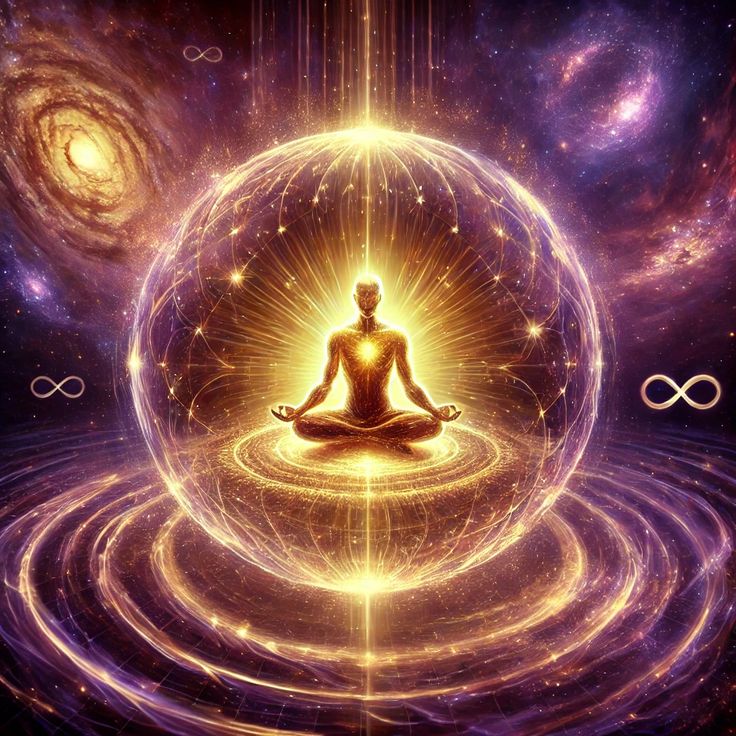
The Surya Upanishad is a minor Upanishad of the Atharvaveda that glorifies Surya, the Sun God, as the ultimate reality and Brahman, asserting that the Sun is the creator, protector, and dissolver of the universe, and identical with one’s own Atman (Self). It explains the Surya mantra in Gayatri metre, where Hamsa so’ham with Agni and Narayana is the seed, and meditation on this mantra helps the seeker attain the four goals of life: Dharma, Artha, Kama, and Moksha. The text describes the magnificent form of Surya on a golden chariot with seven horses, driving the wheel of time and bringing refuge and prosperity. It declares that all creation arises from the Sun and ultimately dissolves back into it, portraying Surya as the source of life, senses, mind, and inner organs. The Upanishad links Surya with bliss, knowledge, and wisdom, urging meditators to seek his omnipresent light and guidance. Finally, it teaches that recitation of the Surya Upanishad, especially while facing the rising sun, purifies the reciter and helps overcome sins and worldly bondage. For More Information Click Here
Structure and Spiritual Teachings of the Surya Upanishad
The Surya Upanishad is a short Upanishad focused on the worship and meditation of Surya, the Sun God.
- Number of Chapters: 1 main chapter
- Number of Verses: 63 verses
Simple Explanation of the Chapter:
The single chapter begins by glorifying Surya as the supreme Brahman, the source of all creation, sustenance, and dissolution. It explains the Surya Gayatri mantra, emphasizing its use in meditation to attain spiritual knowledge and fulfill the four goals of life: Dharma, Artha, Kama, and Moksha. The Upanishad describes the radiant form of the Sun, his golden chariot, and seven horses, symbolizing the driving force of time and life. It teaches that all creation arises from Surya and ultimately dissolves back into him, highlighting his omnipresence in the universe and within the self. The text also connects the Sun with bliss, wisdom, and purification, guiding meditators to seek his light for spiritual upliftment. Finally, it instructs recitation and meditation on Surya, especially facing the rising sun, as a means to purify the mind, overcome sins, and attain liberation.

Key Verses and Spiritual Insights of the Surya Upanishad
- Verse 1 – “Surya is the Supreme Brahman, the source of all creation, sustenance, and dissolution.”
- Meaning: The Sun is not merely a celestial body but represents the ultimate reality, pervading all existence.
- Verse 10 – “Meditation on the Surya Gayatri mantra purifies the mind and leads to spiritual knowledge.”
- Meaning: Reciting and meditating on the Gayatri mantra centered on the Sun helps the practitioner gain wisdom and inner illumination.
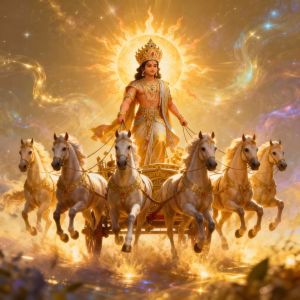
- Verse 25 – “Surya rides a golden chariot with seven horses, representing the driving force of time and life.”
- Meaning: The Sun symbolizes the vital energy that governs the cycles of nature and human life.
- Verse 40 – “All creation arises from Surya and ultimately dissolves back into him; he is the life and consciousness in every being.”
- Meaning: The Sun is both the source and the ultimate goal of all existence, embodying the Atman within all.
- Verse 60 – “Facing the rising Sun and reciting the Upanishad cleanses sins and leads to liberation.”
- Meaning: Devotion, meditation, and ritual alignment with the Sun bring purification, spiritual strength, and liberation.
These verses capture the core essence of the Surya Upanishad: the Sun as the Supreme Reality, the power of meditation, cosmic symbolism, and the path to purification and liberation. For More Information Click Here
Core Teachings and Philosophical Essence of the Surya Upanishad
The Surya Upanishad teaches that Surya, the Sun God, is the ultimate reality and the source of all creation, sustenance, and dissolution. It emphasizes meditation on the Surya Gayatri mantra as a means to purify the mind, gain knowledge, and realize the Self. The Upanishad highlights the symbolic form of Surya—riding a golden chariot with seven horses—representing the life force and the passage of time. It asserts that all beings and the universe arise from Surya and ultimately merge back into him, revealing his omnipresence. Facing the rising sun during meditation and recitation brings spiritual purification, strength, and liberation. Overall, it presents devotion, contemplation, and alignment with cosmic energy as the path to self-realization and eternal bliss. For More Information Click Here

Conclusion
In conclusion, the Surya Upanishad emphasizes the Sun as the Supreme Brahman, the source and sustainer of all existence, and a reflection of the Self within. It teaches that meditation on the Surya Gayatri mantra, combined with devotion and focus, purifies the mind and leads to spiritual knowledge. The text highlights the symbolic aspects of Surya, such as the golden chariot and seven horses, illustrating the life force and cosmic order. By recognizing the Sun’s omnipresence in the universe and within oneself, the practitioner attains clarity, strength, and liberation. The Upanishad underscores that facing the rising sun during recitation and meditation enhances spiritual progress. Ultimately, it presents Surya as both the guiding light and the pathway to self-realization and eternal bliss.
Join Our Classes:
The Upanishads are more than just ancient texts—they are timeless guides to living with clarity, balance, and inner peace. Our classes make their profound wisdom easy to understand and apply in everyday life. Join us to explore these teachings and discover a new way of seeing yourself and the world!