Chapter 18: Moksha Sannyasa Yoga
What is Moksha Sannyasa Yoga?
Moksha Sannyasa Yoga means “The Yoga of Liberation through Renunciation.” It is the concluding chapter of the Bhagavad Gita and serves as a culmination and synthesis of the entire scripture.
- Moksha = Liberation (freedom from the cycle of birth and death)
- Sannyasa = Renunciation (of desire-driven actions)
- Tyaga = Relinquishment (of attachment to results)
In this chapter, Lord Krishna distinguishes between Sannyasa (renouncing action) and Tyaga (renouncing attachment) and explains how one can attain ultimate liberation by fulfilling their swadharma (righteous duties) selflessly. Access Bhagavad Gita Notes & Summary.
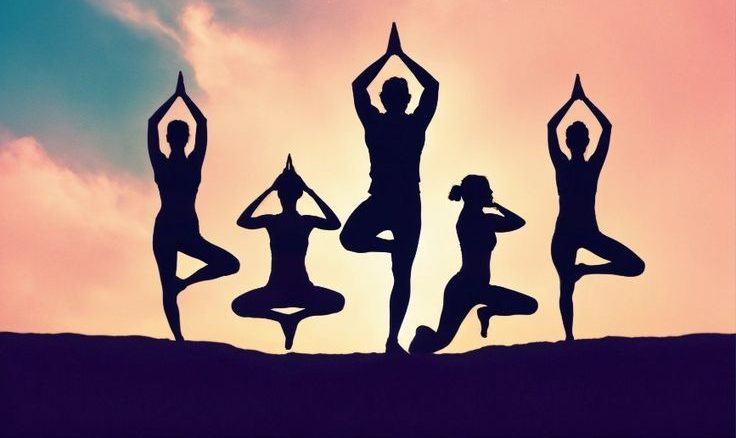
Key Themes of Moksha Sannyasa Yoga:
1. Types of Renunciation:
- Sannyasa: Giving up actions driven by desires.
- Tyaga: Giving up attachment and the craving for the results of actions.
- Krishna emphasizes that righteous duties like yajna (sacrifice), dana (charity), and tapas (austerity) should never be abandoned—they purify the seeker.
2. Threefold Division (Based on Gunas):
- Knowledge (Jnana), Action (Karma), Doer (Karta), Intellect (Buddhi), and Resolve (Dhriti) are all classified as:
- Sattvic – Pure, enlightening, liberating
- Rajasic – Passionate, self-centered
- Tamasic – Ignorant, deluded
- This helps in understanding the inner disposition behind every action.
3. Dharma of the Four Varṇas (Classes):
- Duties based on natural temperament (not caste).
- Brahmins: Wisdom, serenity, truthfulness
- Kshatriyas: Courage, leadership, protection
- Vaishyas: Commerce, farming, service
- Shudras: Support through service
- Each has equal spiritual value if done selflessly.
4. Perfection through Action (Karma Yoga):
- By dedicating all actions to the Supreme, without attachment, one gradually attains perfection.
- Selfless service purifies the mind and leads to Jnana (wisdom) and Bhakti (devotion).
5. Supreme Teaching:
“Abandon all dharmas (external duties) and take refuge in Me alone. I shall liberate you from all sins; do not grieve.” Click Here For Chapter-18.
(Gita 18.66 – Sarva Dharma Parityajya shloka)
- This is considered the heart of the Gita, encouraging total surrender (śaraṇāgati) to God.

Benefits of Studying Moksha Sannyasa Yoga:
- Clarity on Renunciation: Differentiates between escapism and spiritual detachment.
- Harmonizes Karma & Jnana: Shows that liberation is possible through righteous action.
- Guidance for Daily Life: Teaches how to live in the world, perform duties, and still evolve spiritually.
- Preparation for Liberation: By living a sattvic life and surrendering the ego, the soul becomes free from karmic bondage.
- Mental Peace: Non-attachment brings inner stillness and contentment.
- Unshakable Devotion: Cultivates deep faith and surrender to the Divine.
How Many Times Should You Read?
Reading this chapter multiple times deepens understanding:
- Initial Read (1–2 times): Get the gist and main messages.
- Deep Study (3–7 times): Reflect on each verse, understand the link to earlier chapters.
- Lifelong Reflection: It’s a chapter that can be revisited regularly—monthly or even weekly—especially verses like 18.66 for spiritual anchoring. Click Here For Chapter-18.
References for Moksha Sannyasa Yoga:
- Vedanta Students PDF:
Chapter 18 Summary (vedantastudents.com). - Verse-by-verse explanation:
Chapter 18 Detailed Notes (Vedanta Students). - Swami Chinmayananda, Swami Tejomayananda commentaries
(Highly regarded in Vedantic studies)

Conclusion:
Moksha Sannyasa Yoga is the essence and final instruction of the Bhagavad Gita. It integrates all prior teachings—Karma Yoga, Jnana Yoga, and Bhakti Yoga—into a complete spiritual path. It teaches that true renunciation is not about escaping life, but performing one’s duties without selfish motives, with devotion, and finally surrendering the ego to the Supreme. This path leads to inner freedom, fulfillment, and ultimate liberation (moksha).
Join Our Classes:
The Bhagavad Gita is more than just a book—it’s a guide to living with balance and peace. Our classes make its deep wisdom easy to understand and apply in everyday life. Join us to explore the teachings and see the world in a new light!
Explore More Text Join Our Classes
1. Watch Chapter-17&18 Introduction-18 [Verse 17&27]YouTube Video 2. Watch Chapter-18 [Verse 1&10]YouTube Video 3. Watch Chapter-18 [verse 11&14] YouTube Video> 4. Watch Chapter-18 [verse 15&19] YouTube Video 5. Watch Chapter-18 [verse 20&29] YouTube Video 6. Watch Chapter-18 [Verse 30&36] YouTube Video 7. Watch Chapter-18 [Verse 37&44] YouTube Video> 8. Watch Chapter-18 [Verse 45&54] YouTube Video 9. Watch Chapter-18 [Verse 55&62] YouTube Video 10. Watch Chapter-18 [Verse 63&78] YouTube Video 11. Watch Chapter-1&18 Chapter YouTube Video