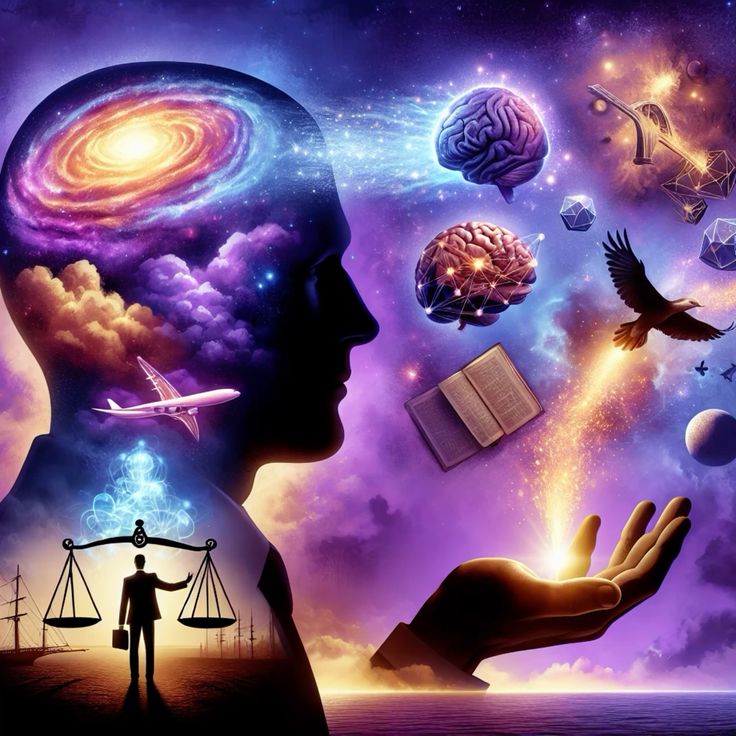
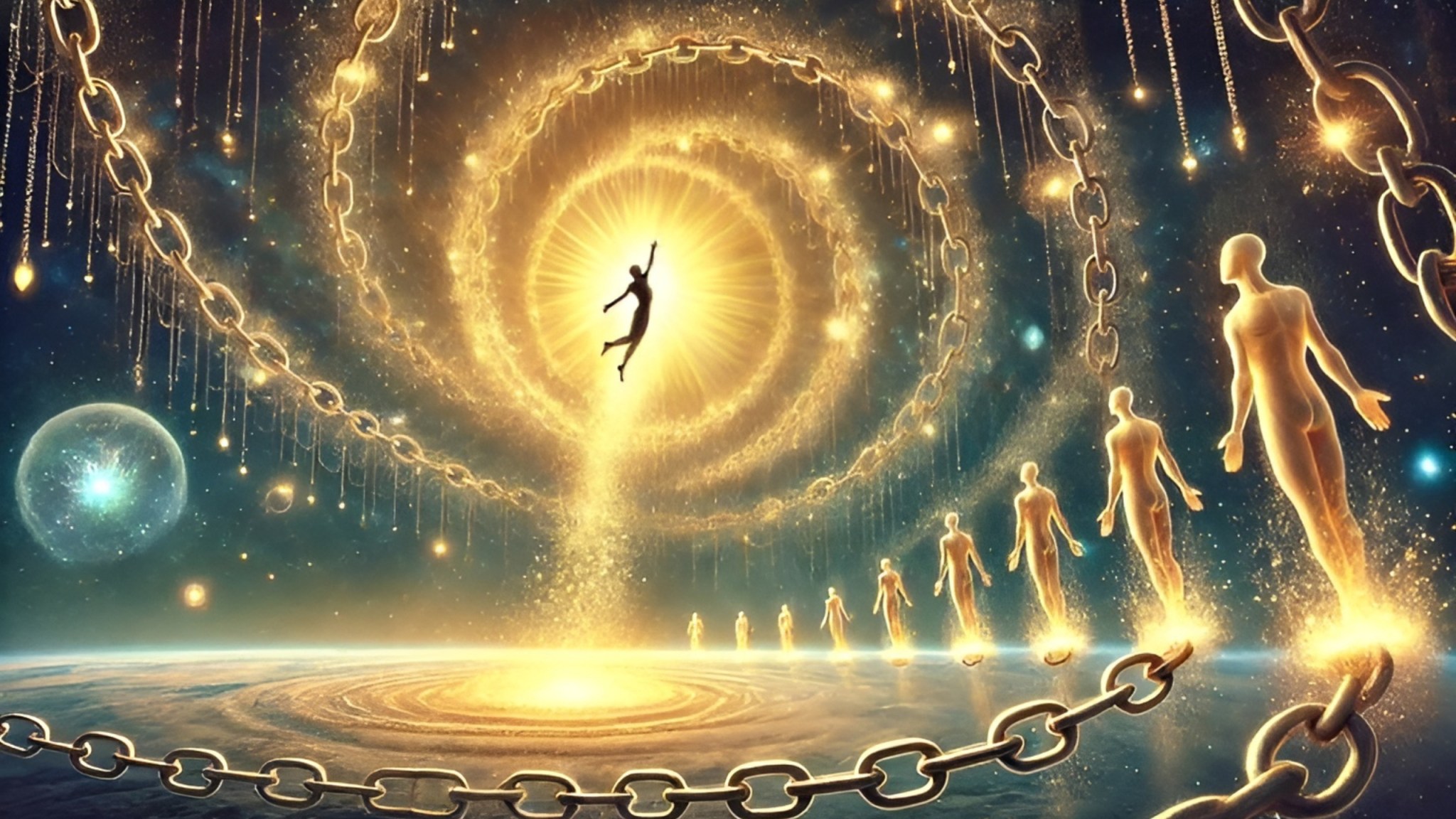
The Mysteries of Life: Conception, Fetal Development, and the Soul
The Garbha Upanishad focuses on the mysteries of human conception and the development of the fetus in the womb. It explains how the soul (Atman) enters the embryo and the role of Prana (life force) and mind in gestation. The text describes the formation of body parts and senses, emphasizing the connection between physical growth and spiritual essence. It outlines the ethical and spiritual responsibilities of parents for the child’s proper development. Meditation and sacred knowledge are highlighted as essential for nurturing both body and soul. Overall, it blends biological, philosophical, and spiritual insights on the origin of human life. For More Information Click Here
The Origin of Life: Fetal Development and the Soul
The Garbha Upanishad is a short Upanishad consisting of a single chapter with 28 verses. This chapter explains the process of human conception, the development of the fetus, and the entry of the soul into the womb. It describes how the embryo forms and how body parts and senses gradually develop, highlighting the close connection between physical growth and spiritual essence. The text emphasizes the responsibilities of parents, showing that proper care, knowledge, and ethical conduct influence the child’s development. Meditation and sacred wisdom are presented as essential for nurturing both body and soul. Overall, the chapter provides a comprehensive view of life’s origin and the soul’s journey in the womb.
Life, Soul, and Development: Key Verses of the Garbha Upanishad
-
Verse 1:
“From the union of the vital energies of the father and mother, the embryo is formed; it is the seat of life and consciousness.”
Meaning: This verse emphasizes that human life begins from the combined energies of parents and that the embryo is already endowed with life (Prana) and consciousness (Atman). -
Verse 5:
“The soul (Atman) enters the fetus at the moment of conception, making it a living being.”
Meaning: Highlights the spiritual dimension of conception, showing that life is not just biological but also divine and conscious. -
Verse 10:
“The head, limbs, senses, and organs develop gradually, guided by the vital force (Prana) and the mind.”
Meaning: Explains the staged development of body and senses, emphasizing that Prana and mind direct physical formation. -
Verse 18:
“The ethical and spiritual actions of the parents influence the child’s nature and destiny.”
Meaning: Shows the importance of parental responsibility, suggesting that morality, knowledge, and meditation impact the child’s growth. -
Verse 25:
“Meditation and sacred knowledge nurture both the body and the soul of the unborn child.”
Meaning: Points to the role of spiritual practice and wisdom in the harmonious development of physical and spiritual aspects of life. -
Verse 28 (Conclusion):
“Thus, one who knows the origin of life and nurtures the soul in the womb attains wisdom and harmony.”
Meaning: Concludes that understanding the mystery of life and the soul’s entry leads to spiritual insight and balanced existence. For More Information Click Here
The Sacred Journey of Life: Conception, Growth, and the Soul
The Garbha Upanishad teaches that human life begins with the union of parental energies, where the soul (Atman) enters the embryo at conception. It emphasizes the gradual development of body, senses, and mind, guided by the vital force (Prana). The text highlights the importance of parental responsibility, showing that ethical conduct, knowledge, and meditation influence the child’s growth. Spiritual wisdom is essential for nurturing both body and soul. Ultimately, the Upanishad presents life as a sacred journey from conception, connecting the physical, mental, and spiritual dimensions. It encourages understanding and reverence for the divine essence within every human being. For More Information Click Here
Conclusion
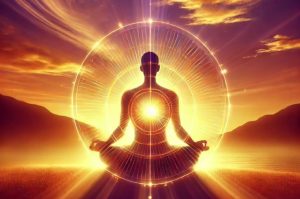
The Garbha Upanishad concludes by emphasizing that life is a divine process, beginning with conception and guided by the soul. It teaches that physical growth, mental development, and spiritual essence are interconnected from the very start. Parents hold a sacred responsibility to nurture the child with knowledge, ethics, and meditation. Understanding the origin of life leads to wisdom and harmony in both family and society. The text highlights that the soul’s journey is eternal, even as the body forms in the womb. Overall, it inspires reverence for life and recognition of the divine within all beings.
Join Our Classes:
The Upanishads are more than just ancient texts—they are timeless guides to living with clarity, balance, and inner peace. Our classes make their profound wisdom easy to understand and apply in everyday life. Join us to explore these teachings and discover a new way of seeing yourself and the world!