Katha Upanishad – Chapter 2 Summary (Clear Q&A)
Chapter 2 continues the deep spiritual dialogue between Nachiketa and Yama about the true nature of the Self (Ātman), liberation (moksha), and how self-realization is possible. In this chapter, Yama explains how to overcome ignorance, attachment, and desire to realize the eternal Self. Click Here To Access more other text.
What is the main focus of Chapter 2 of the Katha Upanishad?
Answer:
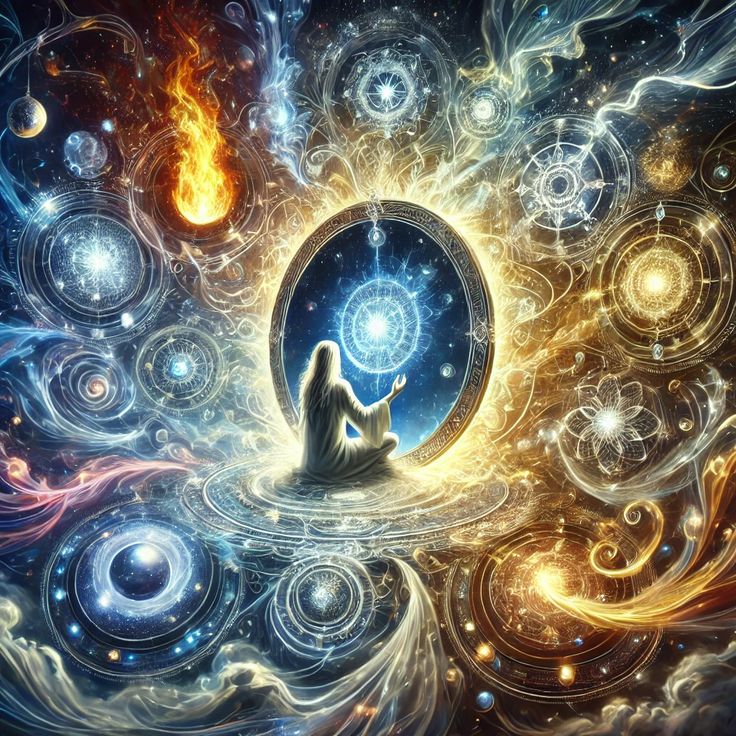
Chapter 2 explains the nature of the eternal Self and how to achieve liberation through knowledge, meditation, and control of the mind and senses.
👉 Life Connection:
It reminds us that real peace and freedom come not from outer achievements but from inner understanding and self-mastery. Click Here To Access.
What does Yama say about the Self (Ātman)?
Answer:
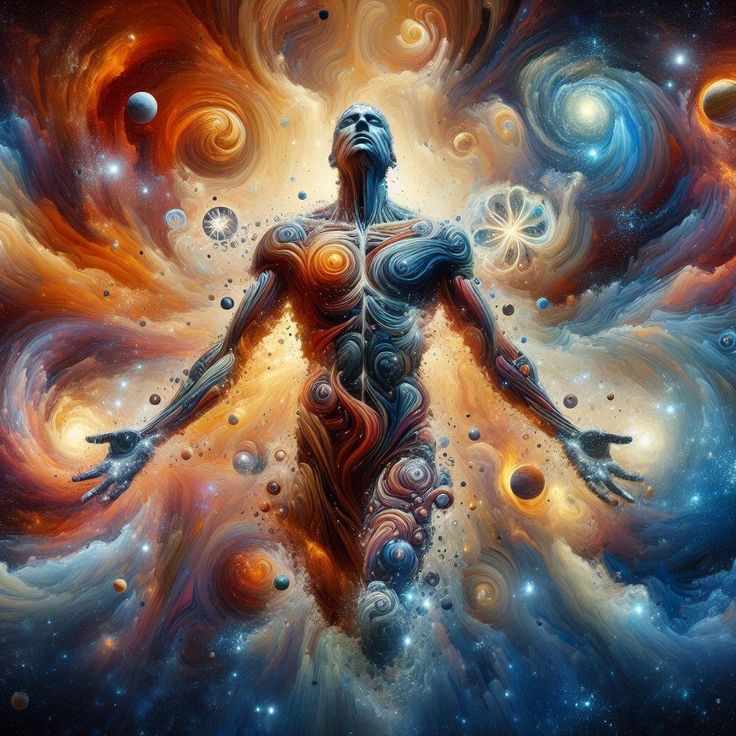
Yama teaches that the Self is eternal, beyond the body and senses, and cannot be grasped through worldly objects or external perception.
👉 Life Connection:
We often identify with our body or personality — but this creates fear and insecurity. Understanding that the Self is beyond these gives lasting inner confidence.
Why can’t the Self be known through senses?
Answer:
The senses and external objects are transient; the Self is subtle, unchanging, and beyond sensory perception.
👉 Life Connection: Click Here To Access.
This teaches that sensory pleasures and material success cannot give true peace or lasting happiness.
What binds the soul to suffering and rebirth?
Answer:
Attachment, desire, and ignorance bind the soul to the cycle of birth and death (samsara).
👉 Life Connection:
When we cling to temporary things — like money, fame, or comfort — we feel fear, loss, and emotional instability.
What are the main obstacles to self-realization?
Answer:
The main obstacles are attachment to sense pleasures, lack of discrimination (viveka), and failure to control the mind and senses. Click Here To Access.
👉 Life Connection:
In everyday life, habits like overthinking, addiction to distractions, and emotional reactions make inner calm hard to maintain.
What helps a seeker to realize the Self?
Answer:
Knowledge, discrimination, meditation, and self-discipline help purify the mind and reveal the eternal Self.
👉 Life Connection:
Practices like reflection and meditation help bring clarity, emotional balance, and resilience. Click Here To Access.
What does Yama say about detachment?
Answer:
Detachment from sense pleasures helps the seeker withdraw attention from fleeting objects and turn inward.
👉 Life Connection:
Reducing dependency on external validation lowers stress and increases inner peace.
Why is control of the senses important?
Answer:
Controlling the mind and senses prevents distraction and prepares the mind for deep insight.
👉 Life Connection:
Discipline over impulses — like social media, cravings, or reactive emotions — leads to better focus and emotional stability. Click Here To Access.
What is the result of realizing the Self?
Answer:
Realization of the Self liberates the seeker from fear and sorrow and ends the cycle of birth and death.
👉 Life Connection:
When someone sees their deeper nature beyond circumstances, fear of failure or loss significantly reduces. Click Here To Access.
Why is Chapter 2 important?
Answer:
Chapter 2 teaches how liberation is attained through inner knowledge and disciplined practice rather than external rituals.
👉 Life Connection:
It gives practical guidance for mental health and lifelong peace: understanding yourself deeply brings lasting clarity and confidence. Click Here To Access.
Final Conclusion — Chapter 2 of the Katha Upanishad
Chapter 2 of the Katha Upanishad teaches that true freedom does not come from wealth, fame, or physical pleasures but from knowing the eternal Self. By controlling the mind, turning inward through meditation, and distinguishing between the transient world and the eternal Self, one can overcome fear, attachment, and ignorance. In the modern world filled with distraction and pressure, these teachings offer deep clarity, stability, and inner strength, showing that self-realization is the ultimate goal of human life.