Chapter 1 – Section 2 (25 verses) Overview
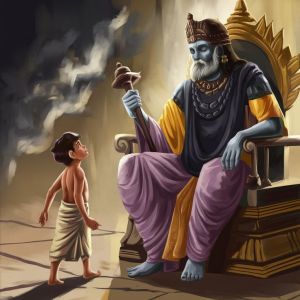
In this section, Yama begins to test Nachiketa’s sincerity and depth as a seeker. He explains the distinction between sreyas (the good, leading to liberation) and preyas (the pleasant, leading to bondage), making clear that true wisdom comes from choosing the higher path. Yama praises Nachiketa for rejecting worldly temptations, affirming that few can discern the eternal Self over fleeting pleasures. The Self, he teaches, is subtle, beyond perception, and realized only through a pure and disciplined mind. Through the chariot metaphor, the Upanishad illustrates the relationship between body, senses, mind, intellect, and Self. This section lays the groundwork for understanding how self-control and knowledge prepare one to realize the immortal Atman. For More Information Click Here
Theme and Importance of Chapter 1 – Section 2
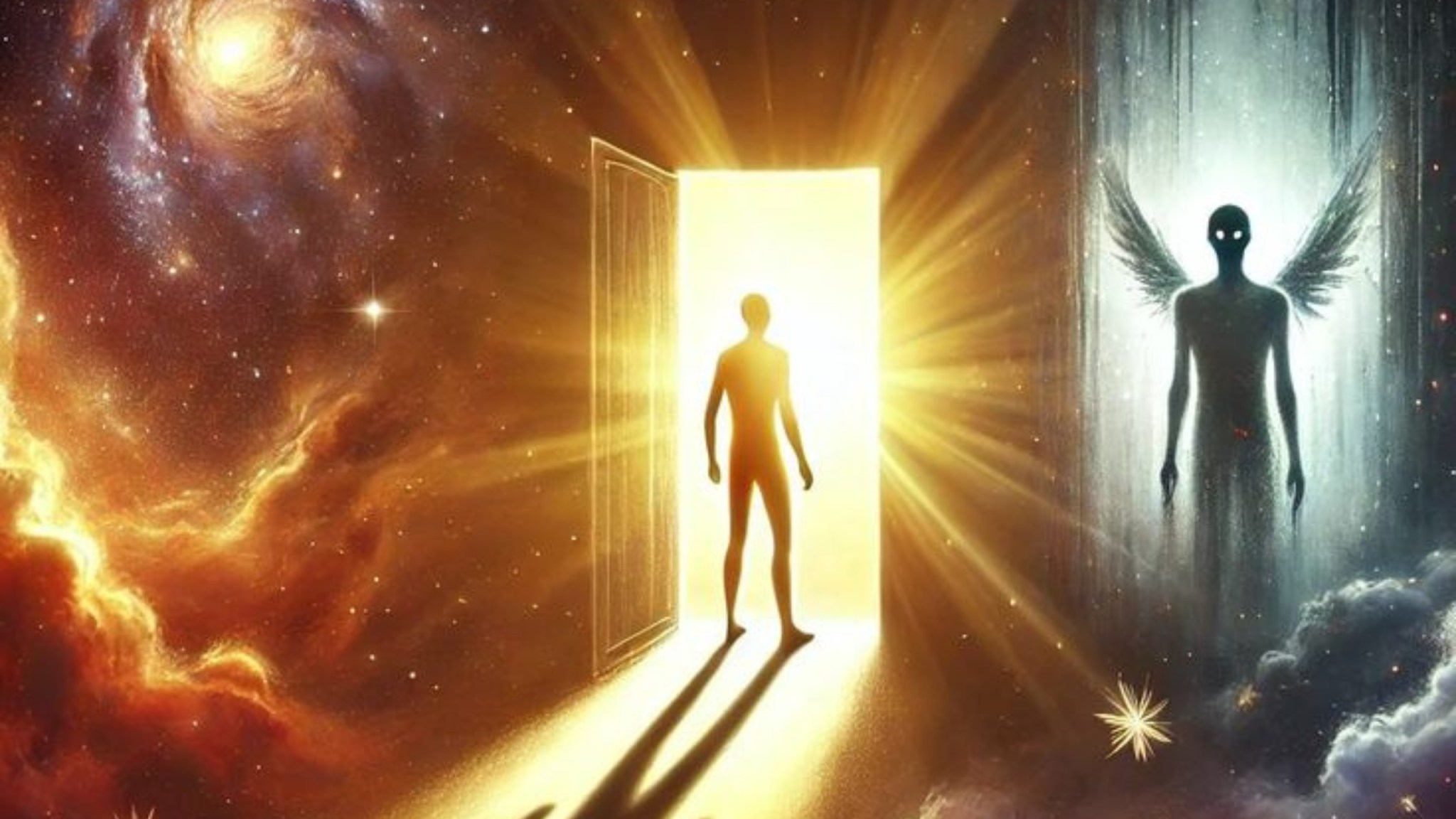
The central theme of this section is the choice between sreyas (the good) and preyas (the pleasant), symbolizing the two paths every human faces in life. Yama teaches that the wise choose sreyas, leading to Self-realization, while the ignorant pursue preyas, remaining bound in worldly desires. The importance of this section lies in its practical guidance—discipline of senses, clarity of intellect, and discrimination between permanent and impermanent are essential for liberation. By introducing the chariot metaphor, it explains how the Self is the master, intellect the driver, mind the reins, and senses the horses—showing that mastery over oneself is the path to immortality.

Chapter 1 – Section 2: Verse-by-Verse Summary (25 Verses)
- Yama begins by distinguishing between sreyas (the good) and preyas (the pleasant).
- Both approach humans, but the wise choose sreyas while the ignorant choose preyas.
- Nachiketa, choosing sreyas, is praised for rejecting fleeting pleasures.
- Yama notes that many remain bound, deluded by attachment to wealth.
- The Self is not attained by wealth or worldly means but through steadfast seeking.
- Nachiketa is commended for desiring the eternal over temporary pleasures.
- The subtle Self is difficult to grasp, comprehended only by a clear intellect.
- The Atman cannot be known by mere logic or debate but through guidance of a true teacher.
- Only the instructed and disciplined student realizes the eternal truth.
- The Self is subtler than the subtlest, beyond sensory grasp.
- The wise see the Atman within, while the ignorant chase outer pleasures.
- The Self is eternal, beyond birth and death, untouched by decay.
- Just as fire is hidden in wood, the Atman resides in the body.
- The mind must be sharpened and purified to perceive the Self.
- One who lacks discrimination and self-control misses the truth.
- The senses are like wild horses, dragging the mind into distraction.
- The mind is the reins, the intellect the charioteer, and the Self the master.
- The body is the chariot, and the senses are the horses to be controlled.
- Without discipline, the senses run astray, leading to ruin.
- With a wise intellect as guide, the seeker reaches the supreme goal.
- The ignorant, driven by senses, wander endlessly in samsara.
- The wise, disciplined, and discriminating attain liberation.
- Beyond the senses is the mind; beyond the mind is the intellect.
- Beyond the intellect lies the Self; beyond the Self is the Unmanifest.
- Beyond the Unmanifest is the Purusha, the ultimate reality, supreme and eternal.
This section really builds step by step—from the choice of values, to the nature of the Self, to the chariot metaphor that ties discipline with liberation. For More Information Click Here

Shankaracharya’s Insights on Chapter 1 – Section 2
Shankaracharya explains that sreyas and preyas represent two opposing life-directions—the eternal path of knowledge and the transient path of pleasure. He highlights Nachiketa’s clarity in rejecting preyas as the mark of a true seeker. According to him, the Self cannot be reached through mere reasoning or ritual but only through a purified mind guided by a realized teacher. The chariot metaphor is interpreted as a teaching on self-mastery: senses must be controlled by the mind, and the mind guided by a sharp intellect. Without such control, one is dragged into samsara; with it, the seeker moves toward liberation. He also stresses that beyond intellect lies the Self, and beyond that the ultimate Purusha, which is the supreme reality. Thus, this section teaches both the discipline of life and the hierarchy of reality leading to moksa. For More Information Click Here

Conclusion
Chapter 1 – Section 2 of the Katho Upanishad deepens the dialogue by stressing the decisive choice between sreyas and preyas, showing that liberation depends on choosing the eternal over the fleeting. Through the chariot metaphor, it illustrates the importance of self-mastery—where intellect must guide the mind and senses toward the Self. Yama’s teaching here makes clear that the Self is subtle, beyond sense perception, and can only be realized through discipline, discrimination, and guidance from a true teacher. This section, therefore, lays the philosophical foundation for understanding the journey of the seeker and points directly toward the ultimate reality, the Purusha.
Join Our Classes:
The Upanishads are more than just ancient texts—they are timeless guides to living with clarity, balance, and inner peace. Our classes make their profound wisdom easy to understand and apply in everyday life. Join us to explore these teachings and discover a new way of seeing yourself and the world!