Chapter 2 – Section 3 Overview
In this section, Yama continues teaching Nachiketa about the supreme Self and the path to liberation. He explains the hierarchy of existence, moving from the senses and mind to intellect, the subtle Self, and finally the supreme Purusha. The discussion highlights that the Self is unborn, imperishable, and beyond all dualities, and cannot be attained through material wealth or sense pleasures. Yama emphasizes the importance of discrimination, meditation, and self-discipline in realizing the immortal Self. The section also shows how control over the mind and senses allows the seeker to transcend fear, sorrow, and the cycle of birth and death. This part of the Upanishad lays the groundwork for understanding moksa as the ultimate goal of human life. For More Information Click Here
Theme and Importance of Chapter 2 – Section 3
The central theme of this section is realization of the supreme Self through inner mastery and discrimination. It emphasizes that the Self (Atman) is eternal, subtle, and beyond sensory perception, and cannot be attained through wealth, pleasure, or rituals. The importance lies in teaching the seeker how to control the mind and senses, use discrimination (viveka), and cultivate meditation and self-discipline to perceive the immortal Self. By presenting the hierarchy from senses to intellect to Self and beyond, the section illustrates the process of liberation. It underscores that moksa is the ultimate human goal, achieved through knowledge, detachment, and disciplined spiritual practice.
Chapter 2 – Section 3: Verse-by-Verse Summary (18 Verses)
- Yama teaches that the Self is eternal and imperishable.
- It is beyond the body, senses, and material objects.
- Ignorance and attachment bind the soul to samsara (cycle of birth and death).
- Control of the senses and mind is necessary for self-realization.
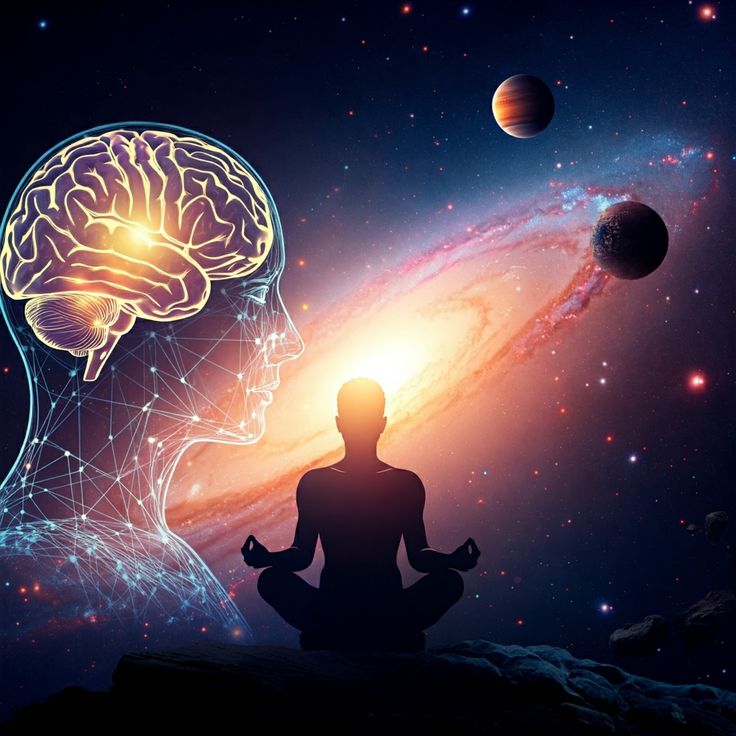
- The intellect (buddhi) guides the mind, which reins in the senses.
- The Self is subtle, unmanifest, and beyond ordinary perception.
- Meditation and reflection purify the mind for realization.
- Desire and craving must be restrained to gain clarity.
- The wise discern the eternal Self from transient phenomena.
- Knowledge of the Self frees one from fear, sorrow, and decay.
- The Self is ever-present, beyond birth, death, and all dualities.
- Liberation is attained by the disciplined and contemplative seeker.
- The Self transcends the intellect and all mental constructs.
- The immortal Self is blissful and untouched by worldly suffering.
- One who realizes the Self attains freedom from all bondage.
- The seeker must practice detachment, self-discipline, and meditation.
- The hierarchy of senses, mind, intellect, and Self leads to liberation.
- Yama concludes that realization of the Self is the supreme goal of life. For More Information Click Here
Shankaracharya’s Insights on Chapter 2 – Section 3
Shankaracharya explains that the Self is eternal, imperishable, and beyond the body and senses. Ignorance and attachment bind the soul to samsara, while control of the mind and senses leads to liberation. The intellect guides the mind, which reins in the senses, preparing the seeker to perceive the subtle Self. Meditation and reflection are essential for purifying the mind and realizing the immortal Atman. Desire and craving are obstacles that must be overcome through discipline. The Self transcends intellect and mental constructs, remaining ever-present and blissful. Realization of the Self frees one from fear, sorrow, and all bondage. Shankara emphasizes that understanding and attaining the immortal Self is the supreme goal of human life. For More Information Click Here
Conclusion
Chapter 2 – Section 3 of the Katha Upanishad emphasizes the eternal, imperishable nature of the Self and the path to liberation through self-discipline, meditation, and discrimination. Yama teaches that ignorance, attachment, and desire bind the soul to samsara, while control of the mind and senses allows the seeker to perceive the subtle, blissful Self. The intellect must guide the mind, and the mind must govern the senses, creating harmony that leads to self-realization. Realization of the Self brings freedom from fear, sorrow, and the cycle of birth and death. This section underscores that the ultimate goal of life is moksa, attainable only through inner knowledge and disciplined spiritual practice.
Join Our Classes:
The Upanishads are more than just ancient texts—they are timeless guides to living with clarity, balance, and inner peace. Our classes make their profound wisdom easy to understand and apply in everyday life. Join us to explore these teachings and discover a new way of seeing yourself and the world!