Mandukya Upanishad Bhāṣya Volume 01 – Introduction, Meaning, and Life Lessons
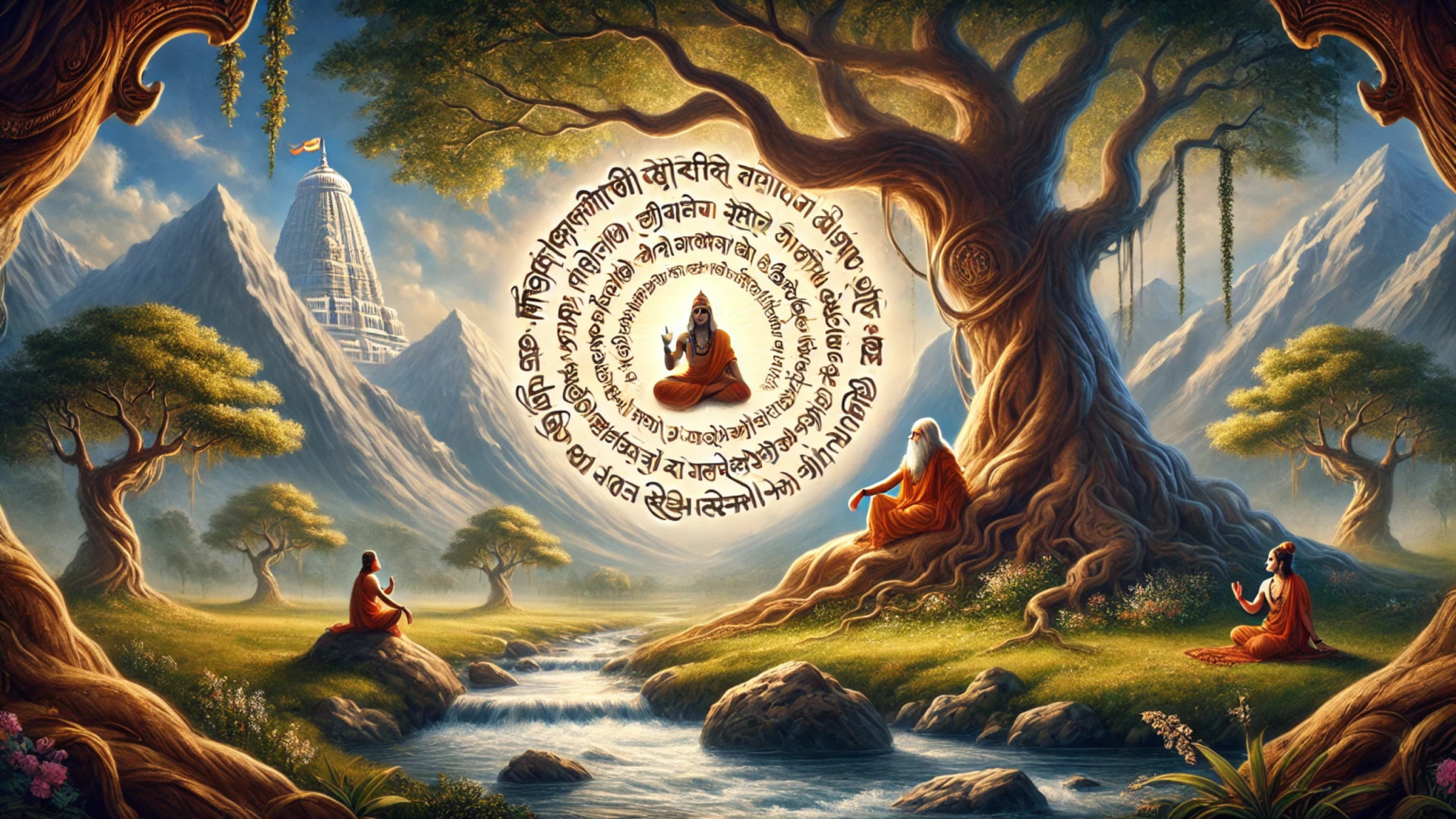
The Mandukya Upanishad Bhāṣya Volume 01 introduces one of the most profound texts of Advaita Vedānta philosophy. The Mandukya Upanishad belongs to the Atharva Veda and is the shortest Upanishad with only 12 mantras, yet it contains a complete explanation of the nature of consciousness and the Self. The text explains that the entire universe and the true Self (Ātman) are symbolized by the sacred syllable Om (AUM). Through the analysis of three states of experience — waking, dreaming, and deep sleep — and the transcendent fourth state called Turiya, the Upanishad reveals the non-dual truth that Ātman is identical with Brahman, the ultimate reality. Śaṅkarācārya’s commentary (Bhāṣya) further clarifies these teachings and explains how understanding the Self leads to moksha (liberation) and inner peace. Click Here To Access more other text.

Mandukya Upanishad Bhāṣya Volume 01 – Clear Question & Answer Format
What is the Mandukya Upanishad?
Answer:
The Mandukya Upanishad is a key Upanishadic text that explains the nature of the Self and ultimate reality through the symbolism of Om (AUM).
👉 Life Connection:
It helps us understand our deeper identity beyond body, thoughts, and daily experiences.
Why is the Mandukya Upanishad considered important?
Answer:
Although it contains only 12 mantras, it presents the complete philosophy of Advaita Vedānta, explaining the nature of consciousness and the unity of Self and Brahman.
👉 Life Connection:
It teaches that our true nature is not limited by our roles or circumstances.
What does the syllable Om represent?
Answer:
Om represents the entire universe and the Self, including past, present, and future.
👉 Life Connection:
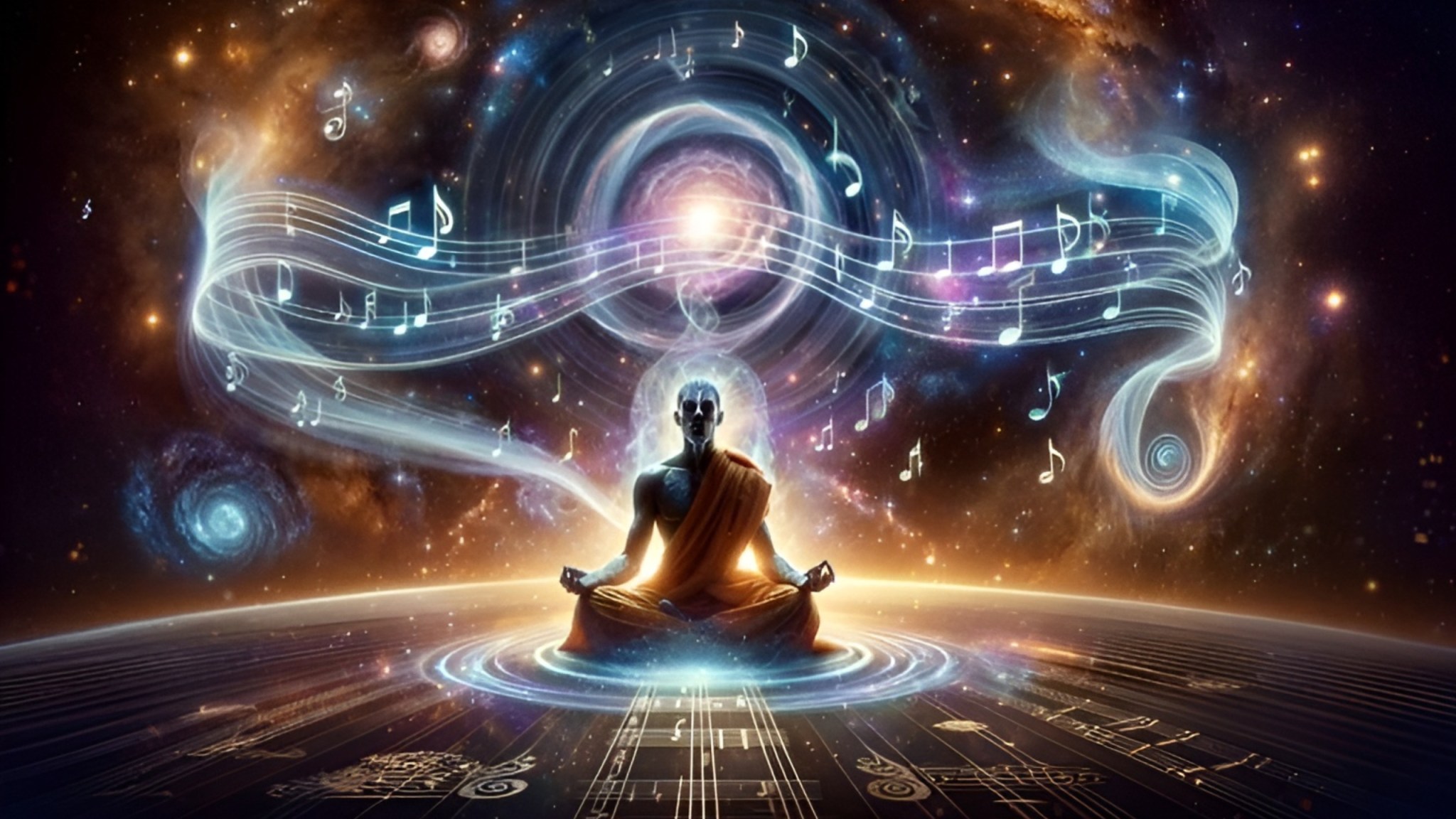
Meditating on Om helps calm the mind and connect with deeper awareness.
What are the three ordinary states of consciousness?
Answer:
The Upanishad describes three states:
-
Waking (Jagrat) – experiencing the external world
-
Dream (Swapna) – experiencing the inner mental world
-
Deep sleep (Sushupti) – absence of dual experiences
These states help us understand how consciousness operates.
👉 Life Connection:
Recognizing these states shows that our experiences constantly change. Click Here To Access.

What is the fourth state, Turiya?
Answer:
Turiya is the transcendent state of pure consciousness that exists beyond waking, dreaming, and deep sleep.
👉 Life Connection:
It represents the unchanging awareness that remains present in all experiences.
How does the Bhāṣya explain the Self (Ātman)?
Answer:
Śaṅkarācārya explains that the Self is pure awareness, not the body, mind, or senses.
👉 Life Connection:
Understanding this reduces fear and attachment to temporary situations.
What is the relationship between Ātman and Brahman?
Answer:
The Upanishad teaches that Ātman (individual self) and Brahman (universal reality) are one and the same.
👉 Life Connection:
This realization removes feelings of separation and loneliness.
What role does meditation on Om play?
Answer:
Meditation on Om helps the seeker move beyond the three states of experience and realize the fourth state of pure awareness.
👉 Life Connection:
Regular meditation improves mental clarity and emotional stability.
What causes ignorance according to this teaching?
Answer:
Ignorance occurs when we identify ourselves with the body and mind instead of the witnessing consciousness.
👉 Life Connection:
This misunderstanding leads to fear, stress, and insecurity.
Why is the Mandukya Upanishad relevant today?
Answer:
It addresses fundamental questions about consciousness, identity, and reality — topics still explored in modern psychology and philosophy.
👉 Life Connection:
Understanding the Self helps people handle stress, competition, and uncertainty with greater stability.
Conclusion
The Mandukya Upanishad Bhāṣya Volume 01 reveals that the ultimate truth of existence is pure consciousness, symbolized by the sacred syllable Om. Through the analysis of waking, dreaming, and deep sleep states, the Upanishad guides seekers toward the realization of Turiya — the eternal awareness beyond all experiences.
Śaṅkarācārya’s commentary explains that the Self is not the body or mind but the unchanging witness of all states of consciousness. When this truth is realized, the illusion of separation disappears and the individual recognizes their unity with Brahman, the ultimate reality.
In the modern world, where people often struggle with identity, stress, and constant comparison, the teachings of the Mandukya Upanishad provide profound clarity. They remind us that lasting peace does not come from external achievements but from recognizing the pure awareness that exists within us at all times.