Muktikopanishad — Deep Q&A
1. Q: What is the Muktikopanishad and why is it important?
A: The Muktikopanishad is a minor Upanishadic text associated with the Shukla Yajurveda. It is significant because it discusses the nature of liberation (moksha) and presents a sacred dialogue between Lord Rama and Hanuman, emphasizing self-knowledge and the study of the Upanishads as the path to freedom from the cycle of birth and death. Click Here To Access more other text.
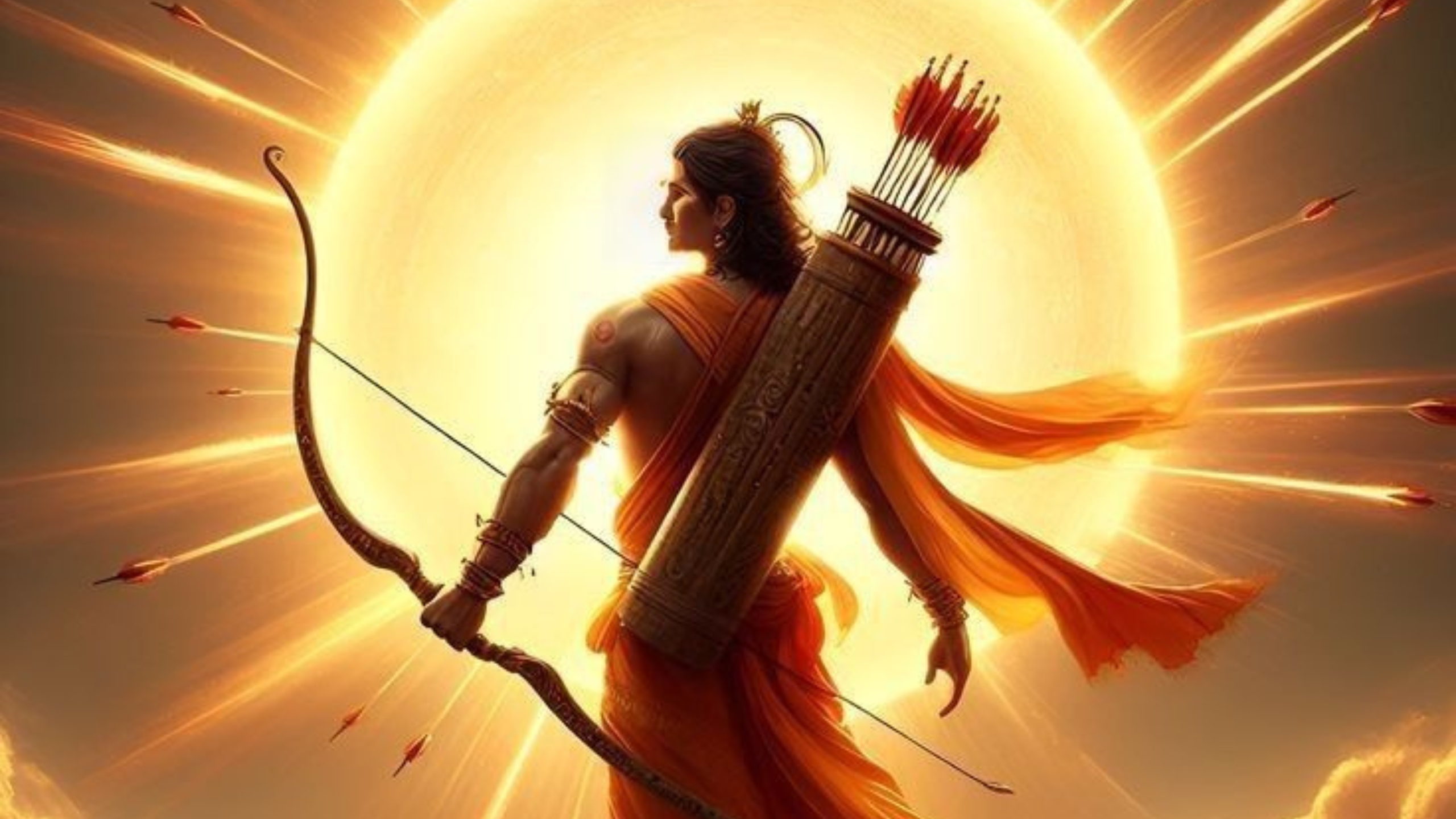
2. Q: Who are the speaker and listener in this Upanishad?
A: The dialogue is between Lord Rama (teacher) and Hanuman (disciple). Hanuman asks profound questions about liberation, and Rama explains the means and nature of mukti (liberation).
3. Q: What is the central theme of the Muktikopanishad?
A: The central theme is liberation (moksha) — how it is defined, what types there are, and how seekers can attain it through self-knowledge (Atma Jnana) rather than mere rituals or practices. Click Here To Access.
4. Q: How many chapters and verses does the Muktikopanishad have?
A: It has two chapters with a total of 125 verses, distributed as 49 in Chapter 1 and 76 in Chapter 2.
5. Q: What does Hanuman ask at the start of the text?
A: Hanuman asks Lord Rama how one can be released from worldly bondage and attain mukti (liberation). Rama responds by outlining the path to liberation.
6. Q: According to Rama, what is the supreme goal of life?
A: Rama states that liberation from the cycle of birth and death — that is, complete freedom and self-realization — is the highest purpose of human life. Click Here To Access.
7. Q: What does the text say about the role of Upanishads?
A: The Upanishads are described as the supreme scriptures for attaining self-knowledge and liberation. Through studying the teachings of the Upanishads, seekers gain clarity on the nature of the Self (Atman) and ultimate reality (Brahman).
8. Q: What types of mukti (liberation) does the Muktikopanishad mention?
A: It explains various types of liberation — such as Salokya (dwelling with the divine), Sarupya (sharing divine form), Samipya (nearness to the divine), and Sayujya (union or absorption into the divine). Click Here To Access.
9. Q: What path does Rama emphasize for attaining liberation?
A: Rama emphasizes that self-knowledge (Atma Jnana) — understanding one’s true nature as the Self beyond body and mind — is the highest means to liberation.
10. Q: How does the Muktikopanishad classify the study of Upanishads?
A: Rama explains that if knowledge cannot be attained from one Upanishad, then one should study ten, then thirty-two, and finally all 108 Upanishads. In each case the study brings seekers closer to realization.
11. Q: Which Upanishad alone is said to be sufficient for final liberation?
A: The Mandukya Upanishad is described as sufficient for liberation on its own. Click Here To Access.
12. Q: Why are 108 Upanishads important?
A: The Muktikopanishad provides a canonical list of 108 Upanishads, representing the full spectrum of scriptural paths for various types of seekers. They form a comprehensive guide to spiritual awakening.
13. Q: What does the text say about a qualified Guru?
A: A qualified Guru is essential for guiding a student through scriptural study, helping them avoid misinterpretations and reach direct realization. A Guru’s guidance accelerates spiritual progress.
14. Q: Does the Muktikopanishad emphasize rituals or knowledge?
A: It clearly states that knowledge and realization of the Self are superior to external rituals. While rituals may prepare the mind, they do not alone liberate. Click Here To Access.
15. Q: What qualities should a seeker cultivate?
A: Seekers should cultivate ethics, humility, patience, mental discipline, devotion, and consistent meditation to realize the Self.
16. Q: How does the Upanishad define true happiness?
A: True happiness comes from self-realization — not from external pleasures — because the Self is unaffected by joy or sorrow.
17. Q: What role does meditation play according to this text?
A: Meditation on the eternal Brahman dissolves ego and dualities, leading the seeker to direct experience of the Self. Click Here To Access.
18. Q: What does the text say about attachment?
A: Attachment to worldly objects leads to repeated births and suffering; letting go of attachments is key to liberation.
19. Q: Does the Upanishad say all beings have the potential for liberation?
A: Yes — Rama affirms that all beings possess the potential to attain liberation through study and realization.
20. Q: What is the ultimate nature of Brahman according to Muktikopanishad?
A: Brahman is described as the source, sustainer, and end of all existence. Realization of this universal Self ends ignorance and leads to complete liberation. Click Here To Access.
Summary in Simple Terms
The Muktikopanishad is a guide to moksha (liberation) — teaching that liberation comes from self-knowledge (Atma Jnana), not rituals. It provides a list of 108 Upanishads and stresses disciplined study, ethical living, meditation, and guidance of a Guru as the reliable path to freedom from the cycle of birth and death.