Mundaka Upanishad – Introduction
The Mundaka Upanishad is a principal Upanishad of the Atharva Veda that explains the difference between higher knowledge (Para Vidya) and lower knowledge (Apara Vidya). It teaches that true liberation comes through realizing the eternal Self (Ātman), not through worldly learning, rituals, or possessions. The text is famous for the metaphor of two birds — one enjoying the world and the other silently witnessing — symbolizing the individual soul and the supreme Self.
Its core message is that liberation (Moksha) comes from self-knowledge, which leads to freedom from ignorance and attachment. Click Here To Access more other text.

Clear Question & Answer Format (10 Q&A)
What is the Mundaka Upanishad?
Answer:
The Mundaka Upanishad is a spiritual text that explains the difference between true knowledge (of the Self) and worldly knowledge (of rituals, arts, and sciences).
👉 Life Connection:
Modern education gives degrees and skills, but this Upanishad teaches the knowledge that frees the mind from stress, fear, and attachment.
What do “Para Vidya” and “Apara Vidya” mean?
Answer:
Para Vidya is higher knowledge — knowledge of the eternal Self. Apara Vidya is lower knowledge — everything we learn about the world. Click Here To Access.
👉 Life Connection:
Studying for a job is useful, but knowing yourself gives peace that no job can guarantee.
What is the main teaching of the Mundaka Upanishad?
Answer:
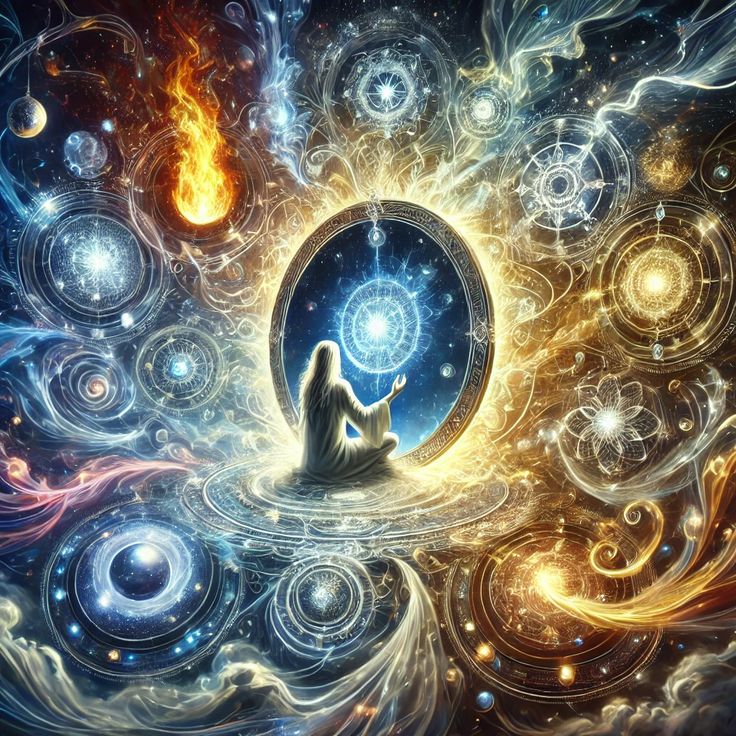
The main teaching is that the eternal Self (Ātman) is the source of all existence, and realization of this Self leads to liberation.
👉 Life Connection:
When you understand your deeper self beyond thoughts and identity, fear and insecurity reduce.
What is the metaphor of the two birds?
Answer:
The Upanishad uses a metaphor of two birds sitting on a tree: one eats the fruits (experiences), the other watches silently (pure consciousness). Click Here To Access.
👉 Life Connection:
We often react to life events (joy, pain). This teaching says: There is a silent witness inside you that watches without judgment.
What is ignorance according to this text?
Answer:
Ignorance is believing that the body, mind, and ego are your true self.
👉 Life Connection:
You feel hurt when criticized. Why? Because you identify with thoughts and emotions as “you.” This makes emotions painful. Click Here To Access.

What is the nature of true liberation (Moksha)?
Answer:
Liberation is the realization that you are the eternal Self beyond body and mind.
👉 Life Connection:
It means:
-
Fewer fears
-
More inner balance
-
Less emotional instability
Life becomes lighter. Click Here To Access.
How does the Mundaka Upanishad describe Brahman?
Answer:
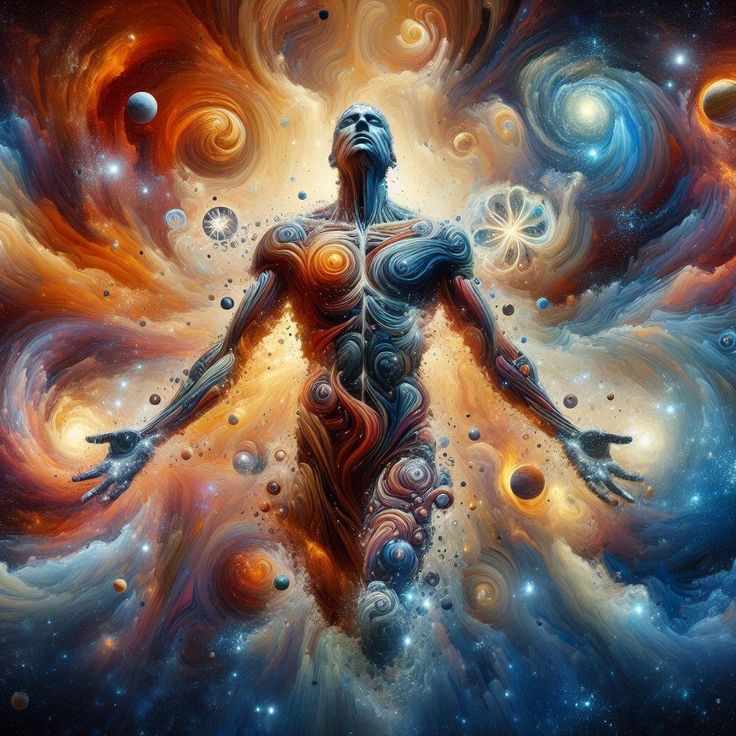
Brahman is described as the eternal, omnipresent, formless reality that pervades everything.
👉 Life Connection:
Understanding this expands your perspective beyond self-centered thinking and creates compassion toward others.
What is the role of meditation and introspection here?
Answer:
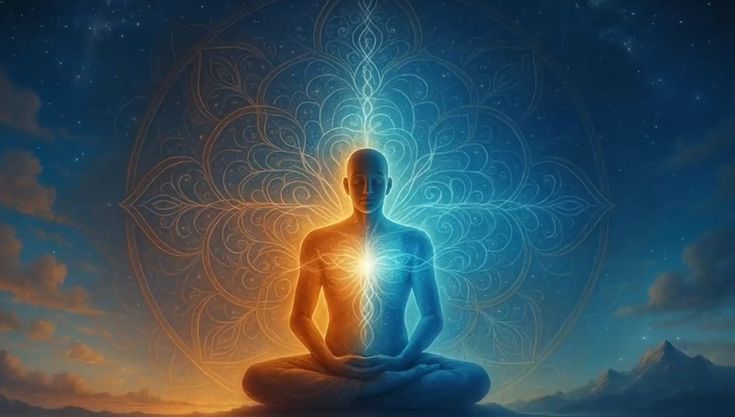
Meditation helps us observe our thoughts and discover the silent Self within.
👉 Life Connection:
In a world full of anxiety and distractions, meditation brings calmness and clarity. Click Here To Access.
How does this text view worldly success?
Answer:
Worldly success (wealth, fame, status) is part of lower knowledge (Apara Vidya). It does not lead to lasting peace.
👉 Life Connection:
You may achieve goals and still feel unsatisfied. This Upanishad explains why: peace comes from inner understanding, not external achievement.
Why is the Mundaka Upanishad relevant today?
Answer:
It offers timeless wisdom on dealing with stress, identity confusion, and emotional instability by pointing to self-knowledge as the ultimate goal. Click Here To Access.
👉 Life Connection:
In today’s competitive and fast-changing world, its teachings help people remain steady, confident, and mentally free.
Mundaka Upanishad – Final Conclusion
The Mundaka Upanishad is not just an ancient scripture but a guide to inner freedom and true wisdom. It teaches that real knowledge is not about books, careers, or external success but about understanding the eternal Self that is beyond mind and body. Its message is especially relevant in a world full of stress, competition, and constant change, offering clarity, inner strength, and lasting peace. By turning inward and recognizing the silent consciousness within, we discover freedom that no external achievement can provide.