Part 3 — ANANDA PANCHAKAM (Chapters 11–15, Lecture 13) — 429 verses total
(overview: these chapters emphasize ānanda — the bliss aspect of Brahman — and the role of yoga and meditation in stabilizing that realization.)
Chapter list & verse counts (from the lecture summary):
11. Yogananda — 134 verses
12. Atmananda — 90 verses
13. Advaita-Ananda — 105 verses
14. Vidya-Ananda — 65 verses
15. Viṣaya-Ananda — 35 verses. Click Here To PDF.
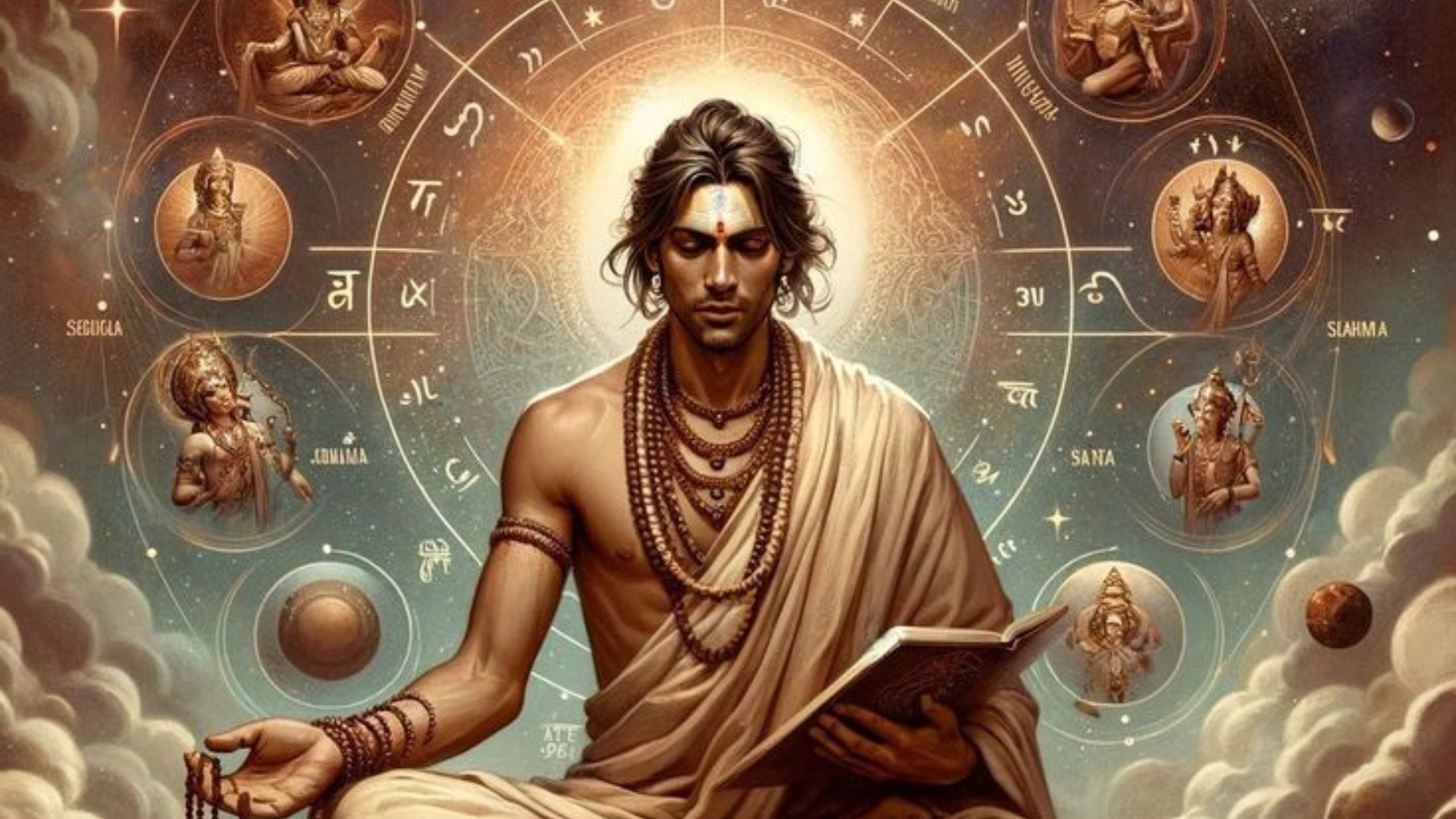
Preface to these chapters (how they differ & method)
The last five chapters are often treated as the practical/experiential extension: they show how sādhana (yoga, meditation, knowledge) yields the direct experience of Brahman as ānanda. The lecture notes emphasize that chapters 11–15 were composed/lectured later (combined authorship noted in the text), and that these chapters use śruti + anubhava + yukti as proofs for Brahman’s bliss-nature. Click Here To PDF.
Chapter 11 — Yogananda Prakaraṇam — 134 verses
Aim: Establish Brahman as Ananda and map how yogic practices (in the broad Vedantic sense — enquiry, meditation, detachment) lead to abiding in that Ananda.
Stepwise practice guide distilled from the chapter:
- Correct view (śruti): Read and absorb scriptural statements that declare Brahman to be bliss.
- Yukti (reason): Understand why empirical pleasures cannot account for the Self’s bliss (they are dependent/finite).
- Anubhava (experience): Through Nididhyāsana and removal of upādhis, experience the unconditioned bliss.
Takeaway: Yoga here is not physical postures alone but the integrative path of knowing and resting as the blissful Self. Click Here To PDF.

Chapter 12 — Ātmananda Prakaraṇam — 90 verses
Aim: Examine the Self’s bliss (Ātmananda) in detail: its characteristics, how it differs from psychological happiness, and how it is the substratum of all experience.
Practice: Vichāra on “I-AM” as the source of unconditional contentment; repeated abidance in the “I-feeling” until it reveals its blissful nature. Click Here To PDF.
Chapter 13 — Advaita-Ananda Prakaraṇam — 105 verses
Aim: Philosophical reinforcement that non-duality (Advaita) implies that the bliss is not a superimposed property but the very nature of Brahman; arguments address objections from dualist views.
Approach: Logical proofs (yukti) + demonstration that multiplicity cannot account for the unity of the experience of bliss. Click Here To PDF.
Chapter 14 — Vidya-Ananda Prakaraṇam — 65 verses
Aim: The bliss that arises from true knowledge (vidyā) — how knowing “I am Brahman” produces disenchantment with transient pleasures and yields abiding joy.
Practice: Cultivate vidyā (scriptural understanding) with daily reflection; let knowledge mature into abiding realization. Click Here To PDF.
Chapter 15 — Viṣaya-Ananda Prakaraṇam — 35 verses
Aim: Contrast sensorial/objective pleasure (viṣaya-ānanda) with the Self’s bliss; show why the former is transient and why seeing it as not-self fosters inner freedom.
Practice: Use the felt difference between fleeting pleasures and lasting peace to strengthen dispassion and return to insight practice. Click Here To PDF.
Part 1 — VIVEKA PANCHAKAM (Chapters 1–5)
Part 2 — DEEPA PANCHAKAM (Chapters 6–10)
Part 3 — ANANDA PANCHAKAM (Chapters 11–15, Lecture 13) — 429 verses total
Panchadasi – by Swami Vidyaranya Part-4
Join Our Classes:
The Panchadasi are more than just ancient texts—they are timeless guides to living with clarity, balance, and inner peace. Our classes make their profound wisdom easy to understand and apply in everyday life. Join us to explore these teachings and discover a new way of seeing yourself and the world!