Introduction
Prashna Upanishad Bhāṣya Volume 7 presents the fourth question (Prashna 4) of the Prashna Upanishad, where the seeker asks:
👉 “What happens during sleep? Which faculties remain active, and who experiences dreams?”
Sage Pippalada explains the three states of experience:
- Waking (Jāgrat)
- Dream (Svapna)
- Deep Sleep (Suṣupti)
He clarifies that during sleep:
- The senses withdraw
- The mind projects dream experiences
- In deep sleep, everything resolves into a state of rest
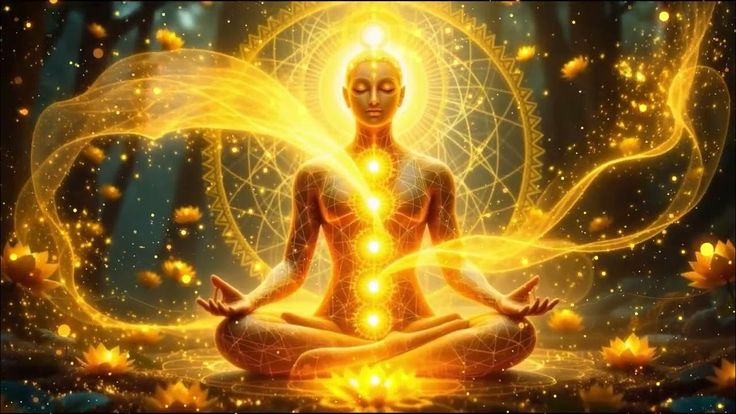
Adi Shankaracharya in his Bhāṣya emphasizes that the Self (Ātman) remains the witness of all three states, unaffected by them.
This volume introduces a powerful insight: you are not the changing states, but the unchanging awareness behind them. Click Here To Access more other text.
Prashna Upanishad Bhāṣya Volume 7 – Clear Question & Answer Format
What is the focus of Prashna Upanishad Bhāṣya Volume 7?
Answer:
It explains the three states of experience and the role of the Self as the witness. Click Here To Access.
👉 Life Connection:
Your experiences change, but your core identity remains constant.
What is the fourth question in the Upanishad?
Answer:
The seeker asks Sage Pippalada about:
- What happens in sleep
- Who dreams
- Who experiences
👉 Life Connection:
Understanding daily experiences can lead to deeper self-knowledge. Click Here To Access.
What happens in the waking state (Jāgrat)?
Answer:
The senses interact with the external world, creating experiences.
👉 Life Connection:
Most of our life is spent reacting to external situations.
What happens in the dream state (Svapna)?
Answer:
The mind creates its own world using impressions from waking life.
👉 Life Connection:
Our thoughts and past experiences shape our inner world.
What happens in deep sleep (Suṣupti)?
Answer:
- Mind and senses become inactive
- No duality is experienced
- There is peace and rest
👉 Life Connection:
True rest comes when mental activity stops. Click Here To Access.
Who is the experiencer of these states?
Answer:
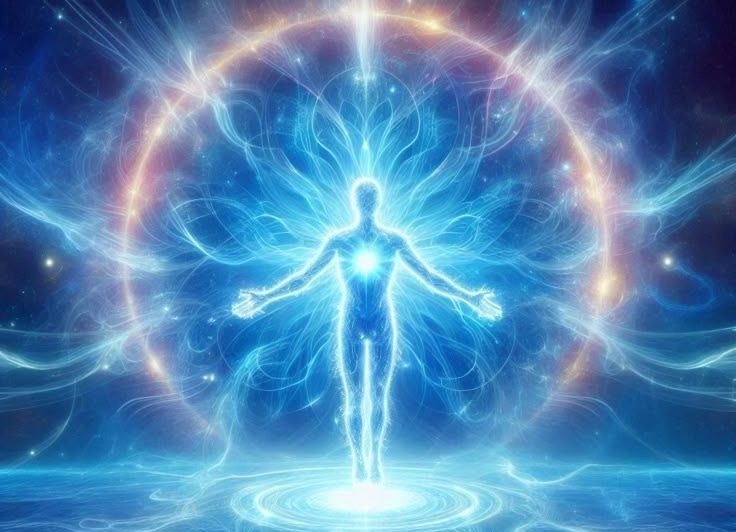
The Self (Ātman) is the witness of all three states.
👉 Life Connection:
You are not your thoughts or experiences — you are the awareness behind them.
What is ignorance (avidyā) here?
Answer:
Ignorance is identifying with:
- The waking body
- The dreaming mind
- The absence in sleep
👉 Life Connection:
We often mistake temporary states for our true identity. Click Here To Access.
How does knowledge (jñāna) help?
Answer:
Knowledge reveals that:
- The Self is constant
- States come and go
👉 Life Connection:
This understanding brings emotional stability and clarity.
What is the key teaching of this volume?
Answer:
👉 You are the unchanging witness of waking, dream, and deep sleep states.
👉 Life Connection:
Recognizing this reduces stress and attachment to experiences. Click Here To Access.
Prashna Upanishad Bhāṣya Volume 7 – Final Conclusion
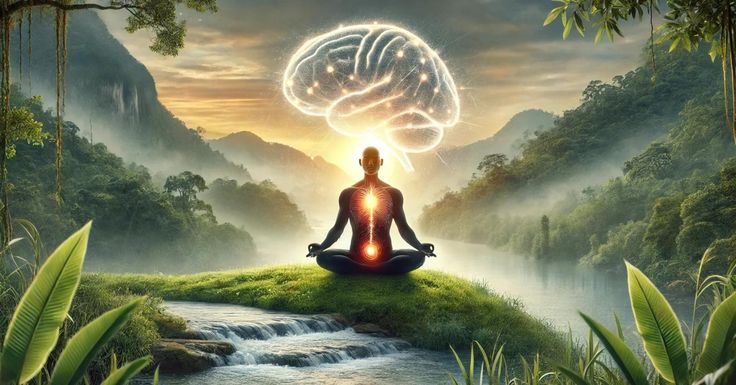
Prashna Upanishad Bhāṣya Volume 7 explains the three states of human experience—waking, dream, and deep sleep—and establishes the Self (Ātman) as the unchanging witness of all these states. Through the teachings of Sage Pippalada, the seeker understands that while experiences constantly change, the underlying awareness remains the same.
Adi Shankaracharya emphasizes that identifying with changing states leads to confusion, while recognizing the witnessing Self brings clarity and freedom.
In modern life, where people are constantly overwhelmed by thoughts, emotions, and external situations, this teaching offers a powerful shift: you are not your experiences—you are the awareness behind them. Understanding this helps reduce stress, improves emotional balance, and leads to a more peaceful and stable life.