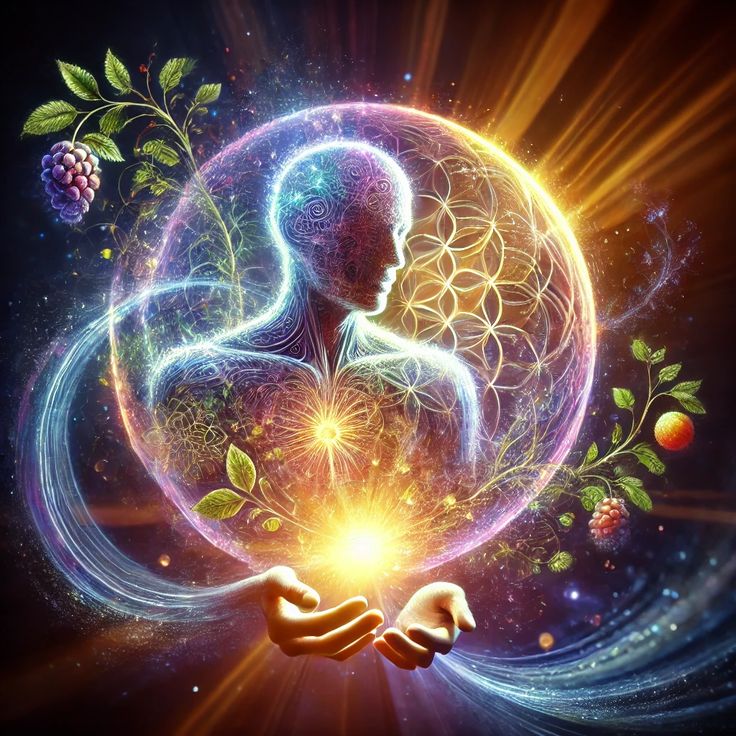
Chapter 7 – Jnana Vijnana Yoga
In-Depth Question & Answer Explanation
1. What is the title of Chapter 7?
Answer:
Chapter 7 of the Bhagavad Gita is called Jnana Vijnana Yoga.
-
Jnana = Knowledge
-
Vijnana = Higher knowledge / experiential wisdom
-
Yoga = Path / discipline
So this chapter deals with both knowledge and its higher realization —
the theory and experience of spiritual truth. Click Here To Access more other text.
It explains the nature of God, the world, and how knowledge leads to understanding reality.

2. What is the main theme of Chapter 7?
Answer:
The central theme is:
Understanding reality —
the difference between material knowledge and the knowledge of the Self.
Krishna explains:
-
What is true knowledge?
-
What is higher knowledge?
-
How does one know the Self?
-
What is illusion vs reality?
This chapter answers not just facts, but human existential questions.
3. What is Jnana vs Vijnana?
Answer:
-
Jnana refers to intellectual understanding — concepts you can study, read, or explain.
-
Vijnana is experiential realization — knowledge you live and feel.
Example:
-
Jnana = “I know meditation reduces stress.”
-
Vijnana = “I felt calm after meditation.”
This chapter bridges head knowledge and heart experience. Click Here For Chapter-7.
4. What does Krishna say about the nature of the Universe?
Answer:
Krishna describes the world as:
A manifestation of the Divine, yet not separate from it.
He says:
-
Everything visible is a part of the Divine
-
Nothing exists outside of the Divine Reality
This is similar to:
👉 modern worldview of interconnection.
It challenges the belief that we are isolated individuals. Click Here For Chapter-7.

5. How does Krishna describe God’s position?
Answer:
Krishna says:
“I am the source of all that exists.”
This means:
-
Not one among many gods
-
Not distant or separate
-
Not outside the world
He is both:
👉 Transcendent (beyond)
👉 Immanent (within)
Modern parallel:
This view combines:
➡ physics: nothing exists outside the universe
➡ neuroscience: mind and world are interconnected
➡ psychology: subjective experience matters Click Here For Chapter-7.
6. What does Krishna say about faith (Shraddha)?
Answer:
Krishna explains that:
Faith determines how a person perceives and engages with life.
Without faith:
-
knowledge remains theory
-
life feels meaningless
-
decisions feel confusing
With faith:
-
clarity arises
-
purpose awakens
-
action becomes consistent
This aligns with modern findings:
👉 Belief shapes perception and resilience. Click Here For Chapter-7.

7. What does Krishna say about worldly knowledge?
Answer:
Krishna identifies three kinds of knowledge:
1. Material knowledge
-
science, language, logic, data
-
limited to the physical world
2. Intellectual spiritual knowledge
-
philosophy, ethics, reasoning
3. Supreme knowledge (Vijnana)
-
direct experience of reality
-
inner transformation
-
union with the Divine
Material knowledge helps life function.
Supreme knowledge gives life meaning. Click Here For Chapter-7.
8. What does Krishna say about perceiving God?
Answer:
Krishna says:
Only those who seek with devotion can realize Me.
Krishna acknowledges:
👉 people know God in different ways
👉 not everyone experiences the Divine the same way
👉 but sincere seekers do experience it
This is not exclusive — it is inclusive and psychological.
9. What are the signs of a true seeker?
Answer:
According to Krishna, a true seeker:
-
sees unity in diversity
-
remains calm in pleasure and pain
-
is free from pride and envy
-
sees everything as an expression of life
This is similar to:
👉 psychological maturity
👉 emotional resilience
👉 human integration Click Here For Chapter-7.

10. How does this chapter relate to real life?
Answer:
Chapter 7 is not abstract philosophy — it is practical worldview:
It teaches:
🧠 1. Contextual Reality
You are not isolated; you are part of a larger whole.
❤️ 2. Faith + Intention
Your beliefs shape your experience.
🎯 3. Purpose
You are driven not just by instinct — but meaning.
🌿 4. Integration
Self, mind, body, society — all interconnected.
This aligns with many modern psychology discoveries
👉 self-awareness + worldview determines well-being. Click Here For Chapter-7.
11. How does this chapter help with anxiety and confusion?
Answer:
Chapter 7 helps by:
✔ Reducing existential fear
✔ Grounding you in a bigger perspective
✔ Letting go of delusion
✔ Giving a purpose beyond achievements
✔ Making everyday life meaningful
When you see yourself not as a “fragment of chaos”
but as a manifestation of a larger reality,
fear loses grip. Click Here For Chapter-7.
Summary: Core Message of Chapter 7
True knowledge is not what you know with the mind;
it’s what you experience with consciousness.
Words can teach,
but only experience transforms.
One Deep Takeaway
The world is not separate from you —
You and life are expressions of one reality.
Wisdom is realizing this, not just reading about it.