Chapter 15 – Purushottama Yoga
Deep Q&A Explanation
1. What is the title of Chapter 15?
Answer:
Chapter 15 of the Bhagavad Gita is called Purushottama Yoga.
-
Purusha = the cosmic self / consciousness
-
Uttama = the supreme
-
Yoga = path / union
So this chapter reveals the Supreme Being (Purushottama) — the highest truth beyond illusion and reality. It explains the ultimate nature of existence, identity, and purpose. Click Here To Access more other text.

2. What is the central theme of Chapter 15?
Answer:
The main theme is:
Understanding the true nature of self, world, and the Supreme — and how to live in alignment with that truth.
This chapter answers deep existential questions:
✔ Who am I at the core?
✔ What is the relationship between the soul and the world?
✔ What is the highest truth?
✔ How do we remain rooted in reality amidst illusion?
It connects metaphysics with life experience. Vedantastudents /Chapter-15.
3. What is meant by the “inverted tree” analogy?
Answer:
Krishna uses the image of an inverted banyan tree to describe the material world:
-
The tree has roots above (symbolizing the Divine)
-
Branches spread downward
-
Leaves are many
-
But the foundation is hidden
This symbolizes:
👉 The world appears real and stable
👉 But it is actually transient, dependent, and secondary
👉 Only the Supreme (the root) is real and eternal
This is a powerful visual metaphor for reality vs illusion. Vedantastudents /Chapter-15.
4. Who is the real Self (true identity)?
Answer:
Krishna explains that:
-
The body is temporary
-
The senses belong to nature
-
The mind fluctuates
-
The intelligence analyzes
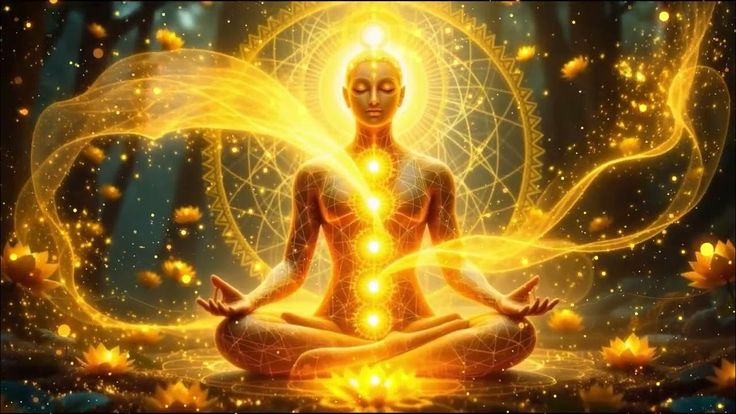
But the true Self (Atman/Purusha) is:
✔ eternal
✔ conscious
✔ untouched by change
✔ not born
✔ not killed
This is very similar to modern self-awareness theories that describe a witness awareness distinct from body and mind.
5. What is Purushottama?
Answer:
Krishna defines Purushottama as:
The highest spirit — beyond both the perishable and imperishable. Vedantastudents /Chapter-15.
There are three layers Krishna discusses:
1️⃣ The physical world — mortal, changing
2️⃣ The soul (Atman) — eternal but individual
3️⃣ The Supreme (Purushottama) — source of all reality, beyond individuality
Purushottama is:
👉 the ultimate foundation of existence
👉 beyond time, space, and categories
👉 the highest ground of being
This is the ultimate spiritual destination. Vedantastudents /Chapter-15.
6. How does this chapter explain identity and existence?
Answer:
Krishna teaches:
✔ Your body is a vehicle
✔ Your senses are instruments
✔ The mind processes experience
✔ The soul witnesses experience
But the Supreme:
👉 is the source of all
👉 is beyond all categories
👉 is the ultimate reality
This means:
✔ You are not just your body
✔ You are not just your thoughts
✔ You are the witnessing consciousness connected to the Supreme
This aligns with modern contemplative psychology where:
👉 awareness is separate from thoughts/feelings Vedantastudents /Chapter-15.

7. What does Krishna say about attachment and liberation?
Answer:
Krishna explains:
-
Attachment binds the soul to repeated cycles
-
Liberation comes when one recognizes:
👉 the impermanent nature of the world
👉 the eternal nature of the Self
👉 the Supreme as the only ultimate
In real-life terms:
Attachment → fear, stress, identity fixation
Recognition → peace, freedom, clarity
This is parallel to psychological insight:
👉 identifying with states (fear/ego) creates suffering
👉 identifying with awareness reduces suffering Vedantastudents /Chapter-15.
8. What practical life teaching comes from this chapter?
Answer:
This chapter teaches:
✔ Don’t treat the world as ultimate
✔ Don’t cling to fleeting experiences
✔ See beyond the surface of life
✔ Live rooted in your true Self
✔ Act with awareness, not ego
This transforms:
-
reactions → responses
-
fear → equanimity
-
chaos → clarity
-
identity confusion → self-awareness Vedantastudents /Chapter-15.
9. How does this relate to stress and anxiety?
Answer:
Many people feel stress because they:
➡ identify with transient things
➡ cling to identity labels
➡ worry about loss
➡ fear uncertainty
Chapter 15 says:
👉 if you understand what is real and what is temporary, your mind settles.
This is the core of mindfulness psychology:
👉 your true self is the observer not the actor
👉 experiences are passing events
That’s where stress dissolves. Vedantastudents /Chapter-15.
Summary: Core Message of Chapter 15
The world may look stable —
but it is like an inverted tree.
The root is the Supreme (Purushottama), not the surface.
The more you see:
✔ the temporary nature of life
✔ the eternal nature of the Self
✔ the Supreme beyond both
… the more liberation, clarity, and peace you experience.
One Deep Takeaway
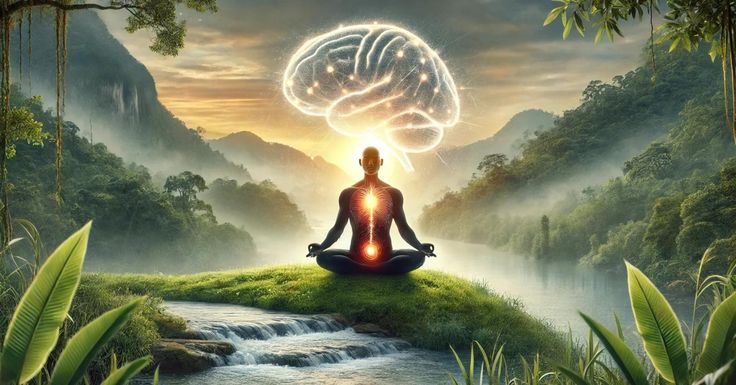
Your true self is beyond body, mind, and world —
it is rooted in pure awareness connected to the Supreme.
This shift changes:
👉 anxiety → equanimity
👉 fear → presence
👉 identity → deeper self-recognition