What is Sadhana Panchakam and What it Contains?
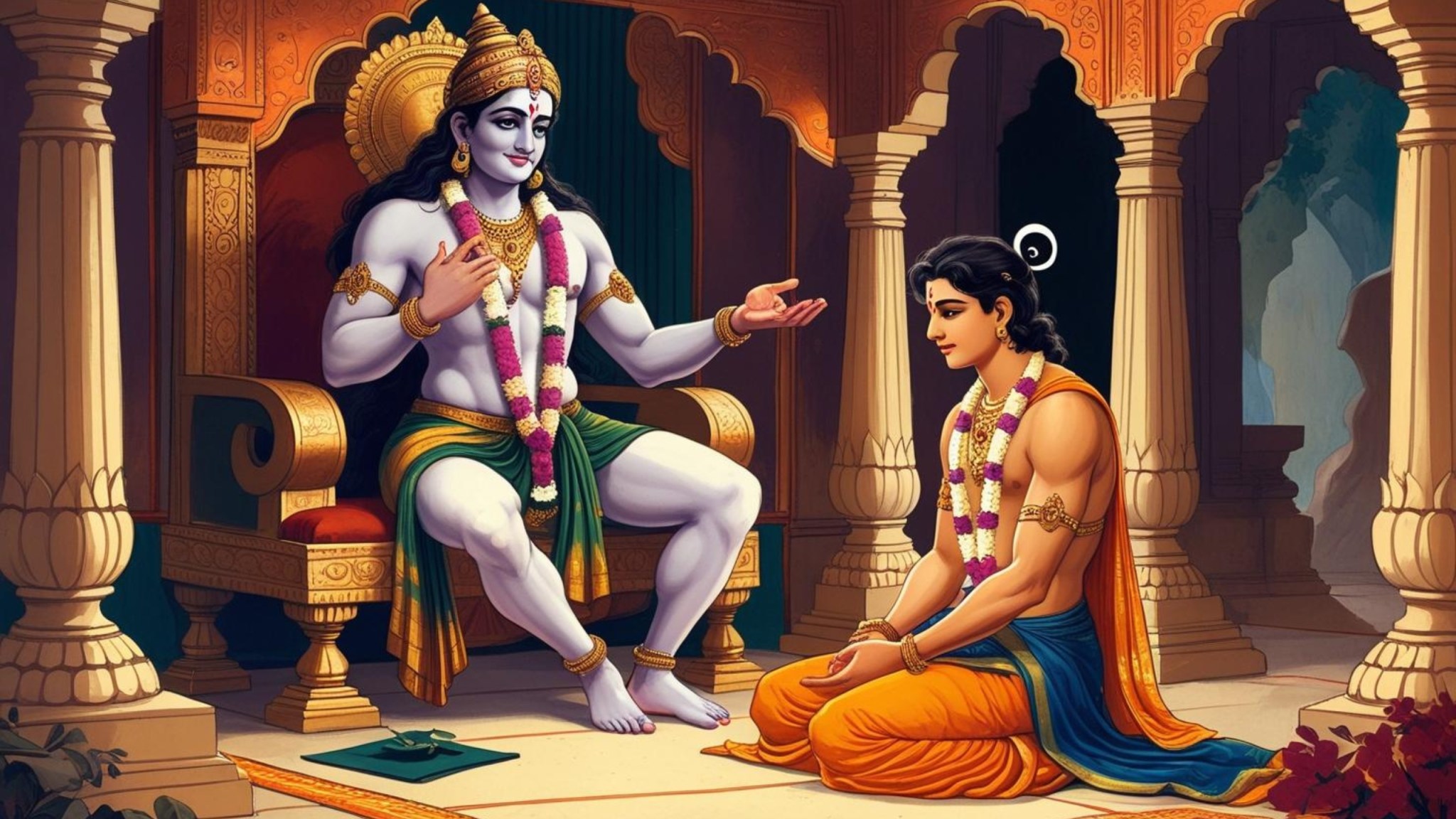
Sadhana Panchakam, composed by Adi Shankaracharya, is a concise guide for spiritual seekers that outlines the entire journey of self-realization in just five verses. Each verse carries eight practical instructions, making a total of forty steps, which are like a ladder leading a seeker from disciplined living to the ultimate realization of Brahman.
The text begins with external practices such as study of scriptures, performing duties, and purification of the mind, and gradually guides one towards devotion, meditation, renunciation, and contemplation on the Self. It culminates in the highest knowledge — abiding in the conviction “I am Brahman” and living in complete freedom. For More Information Click Here
Thus, Sadhana Panchakam is not merely philosophical; it is a step-by-step manual of spiritual practice, covering:
- Scriptural study and righteous action
- Devotion and service to the Guru
- Self-inquiry and reflection on Vedantic truths
- Renunciation of ego and worldly attachments
- Abidance in Self-knowledge (Atma-jnana)

Core Message of Sadhana Panchakam
The Sadhana Panchakam conveys that spiritual growth is a progressive journey—beginning with self-discipline, study, and devotion, and culminating in the realization of the non-dual Self. It teaches that every seeker must purify the mind through righteous living, seek guidance from a Guru, engage in self-inquiry, and ultimately transcend ego and attachment. The final goal is to firmly abide in the awareness “I am Brahman”, living in freedom, peace, and fulfillment.
Contents of Sadhana Panchakam – The 40 Steps of Sadhana
Verse 1 – Foundation of Discipline
- Study the Vedas daily.
- Perform prescribed duties diligently.
- Offer all actions as worship to God.
- Renounce desires and selfish motives.
- Purify the mind of sins and impurities.
- Recognize the limitations of worldly pleasures.
- Seek the Self with consistent effort.
- Free yourself from attachments to body and possessions. For More Information Click Here

Verse 2 – Devotion and Guidance
- Seek the company of the wise and noble.
- Develop steady devotion to the Lord.
- Cultivate peace, self-control, and discipline.
- Approach a realized Guru with humility.
- Serve the Guru with reverence and love.
- Worship Om, the symbol of the Supreme.
- Listen deeply to the teachings of the Upanishads.
- Remove doubts through reflection and understanding.
Verse 3 – Knowledge and Inner Growth
- Meditate on Vedantic truths with concentration.
- Develop the conviction: “I am Brahman.”
- Renounce identification with body and ego.
- Give up pride in learning or achievements.
- Avoid useless arguments and debates with the wise.
- Withdraw attention from external distractions.
- Focus mind steadily on the Self.
- Strengthen clarity through deep contemplation.

Verse 4 – Renunciation and Detachment
- Seek treatment for the body only when necessary.
- Accept simple food, even alms, without preference.
- Cultivate contentment with whatever comes.
- Endure life’s pairs of opposites (heat/cold, pleasure/pain).
- Avoid excessive or idle talk.
- Do not seek appreciation or sympathy from others.
- Remain detached from worldly kindness or bonds.
- Abandon dependence on external comforts.
Verse 5 – Abidance in the Self
- Live joyfully in solitude and quietude.
- Dissolve mind into peace of the Self.
- See the Self present everywhere.
- Recognize the world as Brahman’s projection.
- Perform actions as offerings, without ego.
- Exhaust past karma through endurance and acceptance.
- Remain unaffected by future karmas.
- Abide firmly in the knowledge: “I am Brahman.”
Together, these 40 steps form a complete ladder of spiritual practice, moving from discipline and devotion, to self-inquiry, renunciation, and finally Self-realization. For More Information Click Here

Adi Shankaracharya’s Insights on Sadhana Panchakam
Adi Shankaracharya composed Sadhana Panchakam as a step-by-step ladder for seekers, beginning with discipline and ending in Self-realization. He integrates Karma, Bhakti, and Jnana, showing that duties, devotion, and knowledge together purify and elevate the seeker. The role of a Guru is emphasized as essential for guidance and clarity. Renunciation, according to him, is more about inner detachment than mere outer withdrawal. By selfless action, devotion, and reflection on Vedantic truths, the seeker gradually drops ego and ignorance. Shankara teaches that the world is a projection of Brahman and not ultimate reality. Liberation is attained when one abides in the conviction, “I am Brahman.” Thus, these forty steps form a complete manual for living a life of freedom and wisdom. For More Information Click Here

The Significance of Sadhana Panchakam
The Sadhana Panchakam is highly significant because it condenses the vast wisdom of the Vedas and Upanishads into just forty practical steps. It is not a theoretical text but a spiritual manual, guiding seekers from daily discipline and selfless living to the highest knowledge of the Self. Its importance lies in presenting a complete roadmap — integrating karma (action), bhakti (devotion), and jnana (knowledge). Adi Shankaracharya shows that liberation is possible not by renouncing life, but by transforming it into a path of inner purification, devotion, and contemplation. Ultimately, it leads the seeker to realize the eternal truth: “I am Brahman.”

Conclusion
The Sadhana Panchakam stands as a timeless guide that compresses the essence of Vedantic wisdom into forty practical steps for seekers. From disciplined living and devotion to self-inquiry and renunciation, it presents a complete path that harmonizes action, worship, and knowledge. Adi Shankaracharya reminds us that true freedom is not in escaping life, but in transforming it through awareness and Self-realization. By following these steps with sincerity, one can transcend ego, purify the mind, and abide in the eternal truth — “I am Brahman.”
“Brahma satyam jagan mithya, jivo brahmaiva naparah”
(Brahman alone is real, the world is illusory; the individual soul is none other than Brahman.)