Introduction:
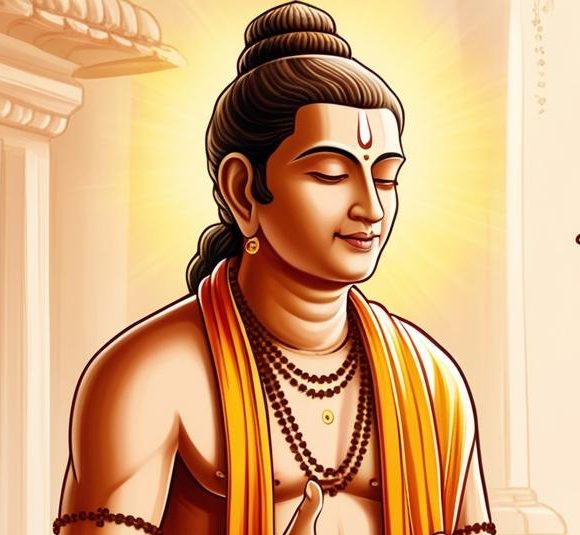
The Shanti Panchakam, composed by Adi Shankaracharya, is a set of five hymns invoking peace and harmony in life. Each verse emphasizes inner purity, detachment, and the recognition of the Self as distinct from the body and mind. Chanting it helps calm the mind, remove obstacles, and cultivate spiritual clarity. Click Here To More Detail.
Key Contributions:
- Expert in Vedic Chanting – Specializes in reciting and teaching Sri Rudram, Chamakam, and other Vedic hymns.
- Temple Rituals & Ceremonies – Plays a key role in conducting Shiva pujas, homams, and religious events.
- Association with Vedanta Students – Shares knowledge of Vedic scriptures through chanting sessions and teachings.
- Promotes Traditional Practices – Helps in the preservation of Sanatana Dharma by guiding devotees in authentic rituals.
Themes of Santi Pancakam
Santi Pancakam is a set of five verses (pancaka) dedicated to peace (santi). These verses focus on attaining inner tranquility, universal harmony, and liberation from suffering. The core themes include:
1. Invocation of Supreme Peace
- Seeks divine blessings to remove suffering and establish mental calmness.
- Highlights that true peace is beyond worldly distractions and desires.
2. Purification of the Mind and Soul
- Describes the importance of self-purification through devotion and knowledge.
- Emphasizes letting go of ego, attachments, and negative emotions.
3. Universal Harmony and Non-Duality
- Recognizes that all beings are connected and must live in harmony.
- Reflects the Advaita (non-dualistic) philosophy, where ultimate peace comes from realizing oneness with the Supreme.
4. Overcoming Suffering and Fear
- Guides devotees on how to overcome pain, fear, and karma through meditation and surrender.
- Encourages detachment from material concerns, leading to permanent peace.
5. Attainment of Moksha (Liberation)
- Describes peace as the highest state of liberation (moksha).
- The ultimate goal is to merge with divine consciousness, free from the cycle of birth and death.

Benefits of Chanting Santi Pancakam
Chanting Santi Pancakam brings inner peace, mental clarity, and spiritual upliftment. The five verses focus on universal harmony and liberation, offering several benefits:
1. Mental & Emotional Benefits
- Removes Stress & Anxiety – Instills deep inner peace and calms the mind.
- Enhances Concentration & Focus – Helps in meditation and spiritual growth.
- Brings Emotional Stability – Reduces anger, fear, and negative emotions.
2. Spiritual Benefits
- Leads to Self-Realization – Encourages detachment from material distractions.
- Promotes Non-Dualistic Thinking – Helps realize the oneness of the soul and Supreme Consciousness.
- Aids in Moksha (Liberation) – Guides the soul towards eternal peace and freedom.
3. Universal & Cosmic Benefits
- Brings Harmony & Positivity – The vibrations create a peaceful atmosphere.
- Promotes Compassion & Kindness – Encourages living in harmony with others.
- Removes Negative Karma – Purifies past actions and promotes spiritual well-being.
Popular Shanti Mantras and Their Sources
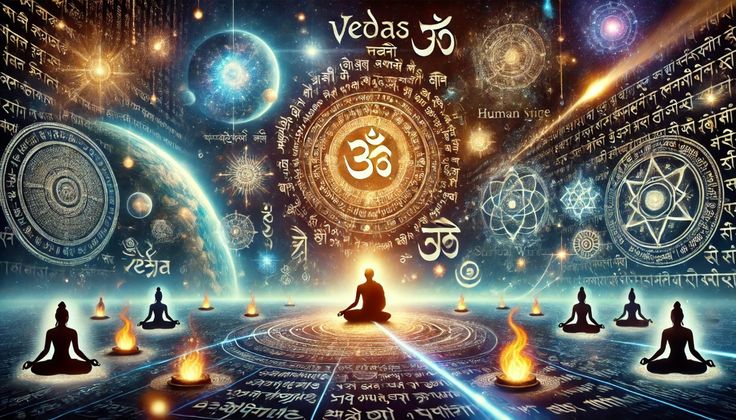
The Shanti Mantras come from the Vedas, the ancient Hindu scriptures. They are primarily found in:
- Rig Veda
- Yajur Veda
- Sama Veda
- Atharva Veda
Yajur Veda
-
Om Sahana Vavatu – (Taittiriya Upanishad, Krishna Yajur Veda)
Prayer for protection, learning, harmony, and peace between teacher-student. Click To Access For Audio/Video. -
Om Asato Ma Sadgamaya – (Brihadaranyaka Upanishad, Yajur Veda)
Seeks truth, light, and immortality over ignorance, darkness, death. Click To Access For Audio/Video. -
Om Sarve Bhavantu Sukhinah – (Brihadaranyaka Upanishad, Yajur Veda)
Wishes happiness, health, harmony, and peace for all beings. Click To Access For Audio/Video. -
Om Purnamadah Purnamidam – (Isha Upanishad, Yajur Veda)
Describes universe’s infinite, complete, eternal, and unchanging nature. Click To Access For Audio/Video. -
Om Dyauḥ Śāntir Antarikṣaṁ Śāntiḥ – (Yajur Veda, Vedic Hymns)
Invokes peace in heavens, sky, earth, water, and universe. Click To Access For Audio/Video.
Rig Veda
-
Gayatri Mantra – (Rig Veda 3.62.10)
“Om Bhūr Bhuvaḥ Suvaḥ Tat Savitur Vareṇyaṁ…”
- A prayer to Savitar (Sun God) for wisdom and enlightenment.
-
Purusha Sukta – (Rig Veda 10.90)
“Sahasraśīrṣā Purushaḥ Sahasrākṣaḥ Sahasrapāt…
- “Describes the cosmic being (Purusha) and creation of the universe.
-
Nasadiya Sukta – (Rig Veda 10.129)
“Nāsadāsīn No Sadāsīt Tadānīm…”
- A hymn about creation, the origin of the universe, and existence.
-
Shri Sukta – (Rig Veda Appendix, Khilani Sukta)
“Hiranyavarṇāṁ Harinīṁ Suvarṇa-Rajatasrajām…”
- Dedicated to Goddess Lakshmi, seeking wealth, prosperity, and well-being.
-
Agni Suktam – (Rig Veda 1.1)
“Agnimīḷe Purohitaṁ Yajñasya Devamṛtvijam…”
- A hymn to Agni (fire god) as the divine priest and messenger.
Sama Veda
-
Gayatri Mantra – (Sama Veda 1462)
“Om Bhūr Bhuvaḥ Suvaḥ Tat Savitur Vareṇyaṁ…”
- A prayer to the Sun God (Savitar) for wisdom and enlightenment.
-
Agni Mantra – (Sama Veda 1.1.1)
“Agnim īḷe purohitaṁ yajñasya devam ṛtvijam…”
- Praise to Agni (Fire God) as the divine priest and protector.
-
Indra Stuti – (Sama Veda 1.2.1)
“Indraṁ vṛṇīta yuvā́saḥ sutásyendraṁ sómapatím…”
- Hymn glorifying Indra, the king of gods, for strength and victory.
-
Vāyu Mantra – (Sama Veda 2.1.3)
“Vāyavā yāhi darśatam…”
- A chant invoking Vāyu (Wind God) for energy and movement.
-
Soma Mantra – (Sama Veda 1.4.1)
“Somaḥ pavate janitā matīnām…”
- A hymn praising Soma, the divine nectar, for vitality and consciousness.
Atharva Veda
-
Shaanti Mantra – (Atharva Veda 19.9.14)
“Om Dyauḥ Śāntir Antarikṣaṁ Śāntiḥ…”
- A prayer for peace in the heavens, earth, and universe.
-
Bhumi Sukta (Hymn to Earth) – (Atharva Veda 12.1)
“Mātā Bhūmiḥ Putro Ahaṁ Pṛithivyāḥ…”
- A hymn honoring Mother Earth for prosperity and stability.
-
Ayushya Mantra – (Atharva Veda 19.67.1)
“Jīvema Sharadaḥ Shatam…”
- A prayer for long life and well-being.
-
Mritunjaya Mantra – (Atharva Veda 14.1.17)
“Om Tryambakam Yajamahe Sugandhim Pushtivardhanam…”
- A chant to Lord Shiva for protection and immortality.
-
Sarva Badha Nivarana Mantra – (Atharva Veda 2.30.4)
“Om Sarva Badha Vinirmukto Dhanadhanya Sutanvitah…”
- A mantra for removing obstacles and attracting prosperity.
Why Are Shanti Mantras Important?
- They remove obstacles (Adhidaivika, Adhibhautika, and Adhyatmika disturbances).
- They bring peace, harmony, and balance in life.
- They are recited before and after Vedic prayers for a calm and pure atmosphere.
There is no strict rule on how many times Shanti Panchakam should be recited. However, common practices include:
- Once or Thrice Daily – For general peace and well-being.
- 11, 21, or 108 Times – For deeper spiritual benefits and removing obstacles.
- Before or After Rituals – To invoke divine blessings and harmony.
Regular chanting brings mental calmness, protection, and universal peace.

Conclusion
The Atharva Veda contains powerful mantras focused on peace, protection, health, prosperity, and longevity. Key hymns like the Shanti Mantra, Bhumi Sukta, and Mrityunjaya Mantra emphasize universal harmony, respect for nature, and divine blessings. These sacred verses guide individuals toward spiritual well-being, physical strength, and mental peace, making them highly significant in Vedic traditions.