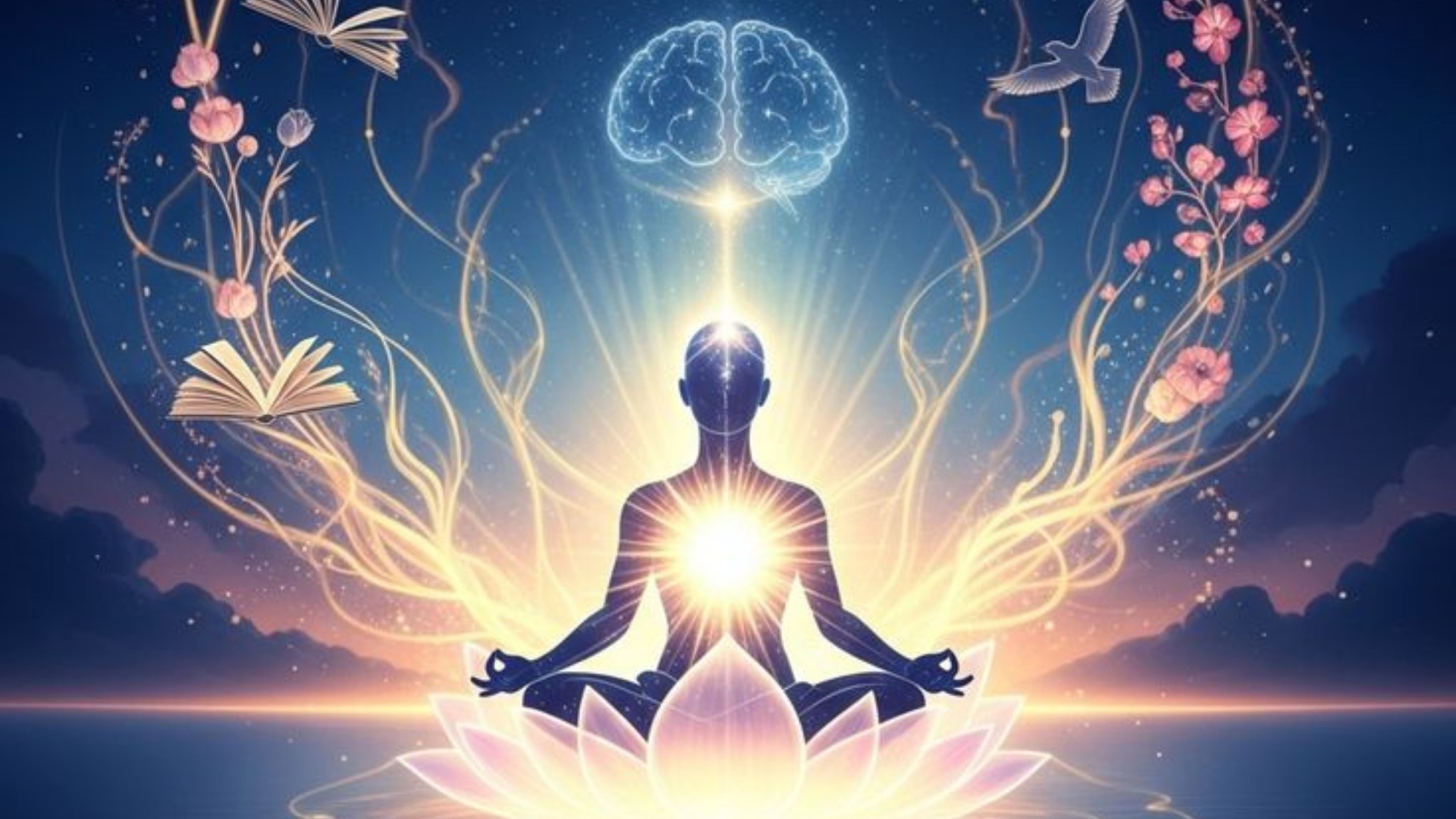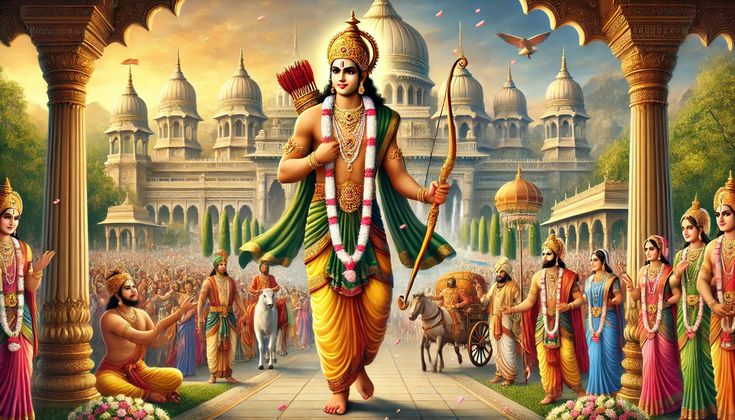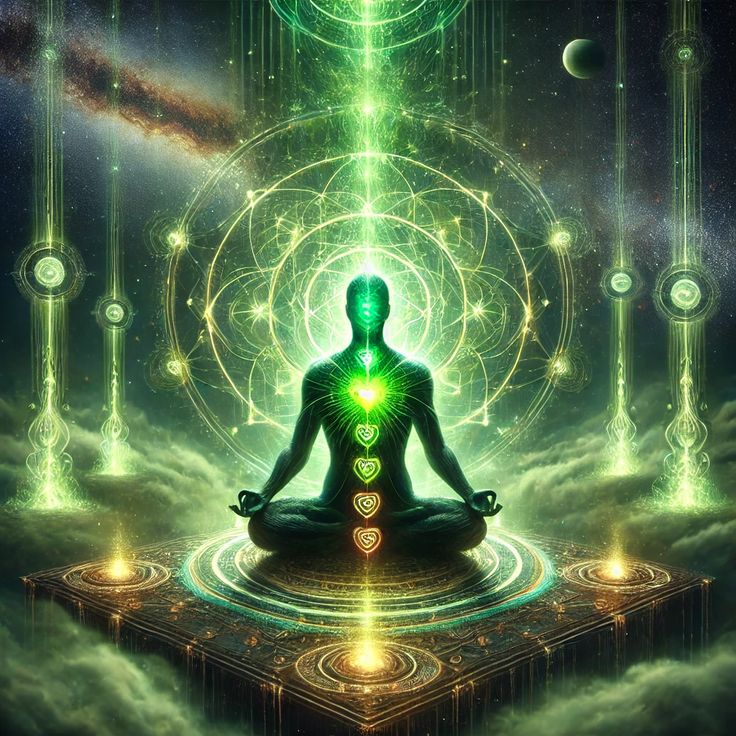
Introduction
The Kaivalya Upanishad is one of the minor Upanishads associated with the Atharva Veda. Despite its brevity, it conveys profound non-dualistic teachings and has been deeply influential in Vedānta philosophy, especially Advaita. The term Kaivalya means “aloneness” or “absolute oneness,” pointing to the state of liberation (mokṣa) where the self realizes its identity with Brahman, free from bondage and duality. The text is in verse form and presented as a dialogue between the sage Āśvalāyana and Lord Brahmā. Unlike ritual-centered texts, the Kaivalya Upanishad emphasizes inner realization, meditation, and devotion as the path to ultimate freedom. Its central message is that liberation is attained not by external actions but by knowledge of the Self, attained through meditation and grace. Click Here To More Detail.

Themes
From the summary in the text, here are the main themes of the Kaivalya Upanishad:
Oneness of Ātman and Brahman
The Upanishad teaches that the individual self (Ātman) and the supreme Brahman are not separate but one. Liberation lies in realizing this unity beyond illusion.
Renunciation and Inner Realization
It rejects dependence on ritual and external acts, emphasizing renunciation of desires and meditation on the Self as the true path to freedom.
Meditation and Devotion
Unlike purely philosophical texts, the Kaivalya Upanishad gives importance to meditation on Brahman with attributes (saguṇa) as a step toward realizing the formless absolute (nirguṇa). Bhakti (devotion) is presented as a valid aid to jñāna (knowledge).
Transcendence of Ignorance
It declares that ignorance (avidyā) binds beings to birth and death, while knowledge of the Self leads to kaivalya — absolute liberation, free from duality and sorrow.
The Liberated State
The liberated one is described as beyond sin, merit, sorrow, and death, abiding in the pure consciousness of Brahman, seeing all as one undivided reality. Click Here To Kaivalya Upanishad.

How to Study It
To study the Kaivalya Upanishad effectively, here are some steps:
Read commentaries
Compare Advaita Vedānta interpretations (which stress non-duality) with bhakti-based readings that highlight devotion as the doorway to realization.
Contemplate its verses
Pay attention to its descriptions of meditation, devotion, and the qualities of the liberated sage.
Practice meditation on Self and Brahman
The text emphasizes meditation on Brahman both with form and without form; reflecting on this dual approach deepens understanding.
Relate to other Upanishads
Contrast its devotional emphasis with the purely non-dual focus of the Mandukya, or its inner orientation with the ritual-centered teachings in earlier Vedic texts.
Apply its vision
Cultivate renunciation, meditation, devotion, and inner detachment in daily life as preparation for Self-realization. Click Here To Kaivalya Upanishad.
Why Study It
Studying the Kaivalya Upanishad is valuable because:
- It offers a clear Advaitic teaching that liberation is the realization of one’s identity with Brahman.
- It bridges the paths of bhakti (devotion) and jñāna (knowledge), showing them as complementary.
- It emphasizes meditation and inner experience over mere ritual, making its message timeless and practical.
- Spiritually, it inspires seekers to pursue inner stillness, detachment, and direct realization.
- Philosophically, it provides a foundation for understanding mokṣa as kaivalya — aloneness in the sense of absolute unity with Brahman. Click Here To Kaivalya Upanishad.
Conclusion
The Kaivalya Upanishad is a short but powerful text that distills the essence of Vedāntic wisdom. By teaching that the self and Brahman are one, it guides the seeker away from external ritual and toward meditation, devotion, and direct inner realization. Its emphasis on both knowledge and devotion makes it a bridge between philosophy and spirituality. Ultimately, it declares that liberation (kaivalya) is attained when the seeker transcends ignorance, renounces desires, and realizes the eternal Self as the one without a second.
Join Our Classes:
The Upanishads are more than just ancient texts—they are timeless guides to living with clarity, balance, and inner peace. Our classes make their profound wisdom easy to understand and apply in everyday life. Join us to explore these teachings and discover a new way of seeing yourself and the world!