Who is Adi Sankaracarya?
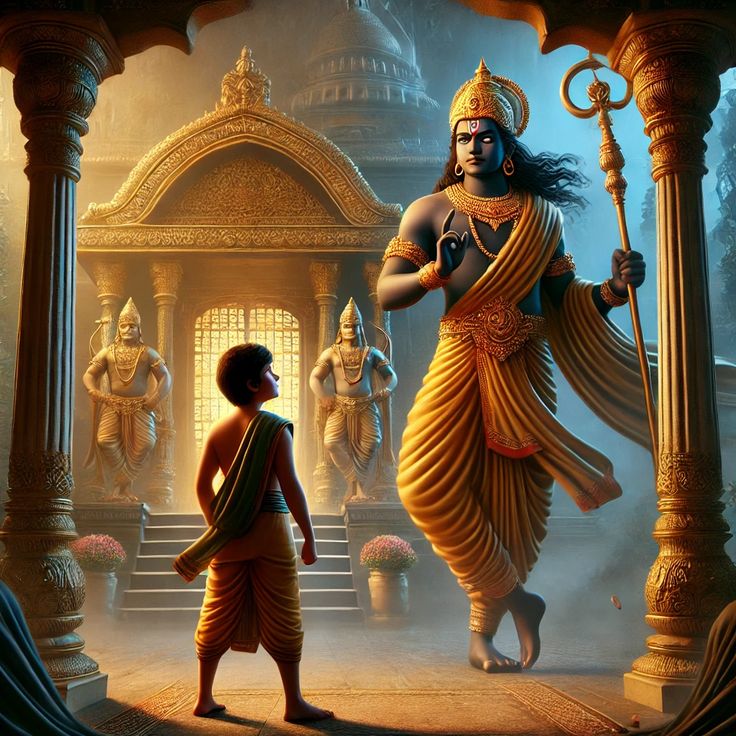
Adi Sankaracarya (circa 8th century CE) is regarded as one of the greatest spiritual luminaries in the Indian philosophical tradition. He was a profound scholar, mystic, teacher, and reformer who revitalized Advaita Vedanta, the non-dualistic school of Hindu philosophy. His teachings emphasize the essential oneness of the individual soul (Atman) and the ultimate reality (Brahman). Click Here To Access more other text.

Key Contributions:
- Commentaries (Bhāṣyas): He wrote detailed commentaries on the Prasthana Trayam – the Upanishads, Bhagavad Gita, and Brahma Sutras – to demonstrate that they all support Advaita (non-duality).
- Prakaraṇa Granthas: In addition to his commentaries, he authored several introductory treatises like Tattva Bodha, Vivekachudamani, Atma Bodha, and Upadesha Sahasri to make Vedantic teachings accessible to earnest seekers.
- Institutional Work: He traveled across India, debated scholars, and established four major mathas (monastic centers) in the north, south, east, and west of India to preserve and propagate Vedantic wisdom. Click Here For Tattva Bodha.
Despite the brevity of his lifespan—he is believed to have attained samadhi in his early thirties—his legacy continues to influence Hindu thought to this day.
Why Did Adi Sankaracarya Write Tattva Bodha?
Tattva Bodha, literally meaning “Knowledge of Truth”, is a gateway text for beginners in the study of Advaita Vedanta. It serves as a structured primer, laying out the key metaphysical and spiritual concepts required for deeper inquiry.
Purpose of the Text:
- Introductory Manual: It simplifies complex metaphysical ideas for beginners in a systematic Q&A format between guru and disciple.
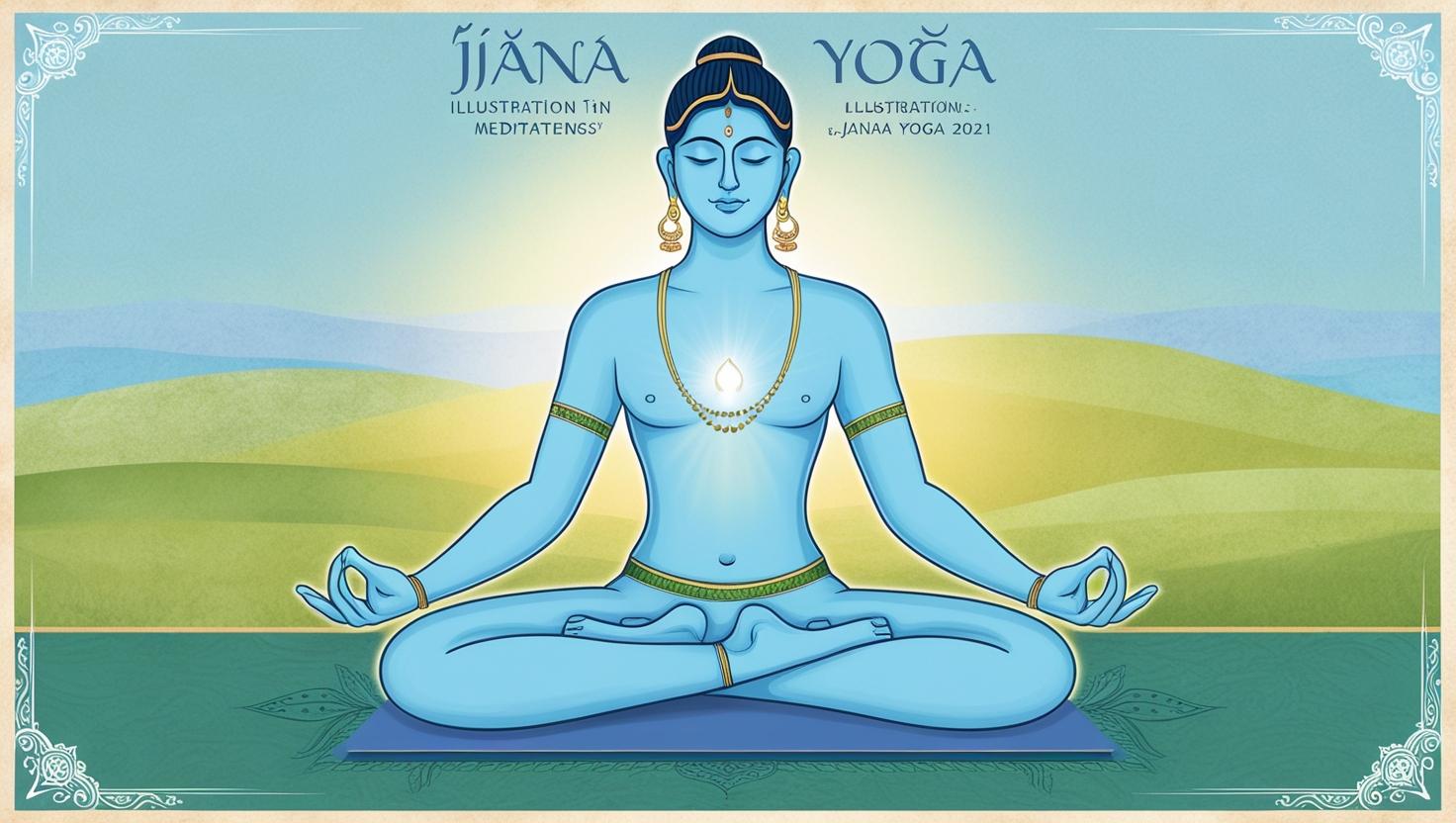
- Preparation for Inquiry: It prepares the mind for subtle introspection by outlining the qualifications (adhikāritva) necessary for jñāna yoga (the path of knowledge).
- Unpacking Vedantic Ideas: It explains terms like śarīra traya (three bodies), avasthā traya (three states of consciousness), pañcakośa (five sheaths), and tat tvam asi (Mahāvākya or great saying) with clarity and precision.
- Focus on Liberation: The text guides seekers toward the realization that the self (Ātman) is not the body, mind, or intellect but is identical with Brahman, the infinite.
By making the path of self-inquiry intelligible and structured, Śaṅkara ensured that sincere aspirants could begin their Vedantic journey with the right orientation and mental readiness. Click Here For Tattva Bodha.
Structure and Teaching Method
Tattva Bodha adopts the dialogue format of teacher and student, emphasizing:
- Active learning through inquiry (śravaṇa),
- Reflection (manana), and
- Meditation (nididhyāsana).
Core Topics Covered:
- Sadhana Chatuṣṭaya – The fourfold qualifications for liberation.
- Jiva and Isvara – The individual and the Lord.
- Panca-kosa-viveka – Discrimination through the five sheaths.
- Avastha-traya – Understanding waking, dream, and deep sleep states.
- Tat Tvam Asi – The Mahāvākya pointing to identity between self and Brahman.
- Mokṣa Lakṣaṇa – Nature of liberation and the liberated soul (jīvanmukta).
Each concept is introduced with a question, then answered by the teacher in a concise and pointed manner, making it effective for memorization, contemplation, and internalization.
Why is Tattva Bodha Still Relevant?
- Clarity: It removes misconceptions about self and reality.
- Foundation: It is often the first Vedantic text taught in traditional Gurukulams and Vedanta classes.
- Practical Guidance: It offers a clear map for spiritual discipline, mental purification, and preparation for higher Vedantic texts. Click Here For Tattva Bodha.
Even modern-day Vedanta teachers—from Swami Chinmayananda to Swami Dayananda Saraswati—emphasize the importance of studying Tattva Bodha before venturing into the deeper waters of Upanishadic texts.
How many Times read
For Beginners:
- Once daily – Read one section or verse per day slowly, reflectively, and take notes. Focus on understanding.
- Follow it with 5–10 minutes of silent reflection (manana) on what you read.
For Serious Seekers (Sadhakas):
Twice daily
- Once in the morning (śravaṇa – listening/studying).
- Once in the evening (manana – contemplation).
- You may repeat the same verse both times to deepen your grasp.
For Dedicated Students or Brahmacharins:
- 3 times daily – Morning, noon, and night with focused repetition.
- First: Read (śravaṇa).
- Second: Reflect (manana).
- Third: Meditate upon the truth of the verse (nididhyāsana). Click Here For Tattva Bodha.
Additional Tips:
- Don’t rush through the text. Quality over quantity is the key.
- Keep a notebook or spiritual journal for self-inquiry questions that arise from the verses.
- After completing the whole text once, repeat it from the beginning. Each cycle brings deeper insight.

Benefit of Tattva Bodha
1. Clear Understanding of the Self (Atma-Jnana)
Tattva Bodha reveals the nature of the true Self (Atman) as distinct from the body, mind, and ego.
- It dismantles the false identification with the non-Self (anātma).
- Leads to the insight: “I am not the body or mind, but pure, unchanging awareness.”
“Satchidānanda svarūpaḥ aham ātmā” — I am of the nature of existence, consciousness, and bliss.
2. Sharpens Discrimination (Viveka)
It trains the intellect to discriminate between the real (Brahman) and the unreal (world).
- Develops clarity in thinking.
- Helps in distinguishing permanent from impermanent, self from non-self.
3. Prepares the Mind for Liberation (Moksha)
Tattva Bodha outlines the qualifications for self-inquiry, including:
- Viveka (discrimination)
- Vairāgya (dispassion)
- Śamādi ṣaṭka sampatti (sixfold inner wealth)
- Mumukṣutva (intense desire for liberation)
These purify and discipline the mind for moksha, the ultimate freedom. Click Here For Tattva Bodha.
4. Acts as a Foundation for Advanced Vedanta
- Tattva Bodha introduces all core concepts needed for deeper texts like the Upanishads, Bhagavad Gītā, and Brahma Sūtras.
- It is like alphabet learning before reading Sanskrit poetry—essential for progress.
5. Improves Mental Clarity and Inner Strength
- Understanding the three states (waking, dream, deep sleep), five koshas (sheaths), and three bodies gives great psychological insight.
- Helps in managing emotions, detachment, and facing life’s challenges with inner stability.
6. Cultivates Spiritual Discipline
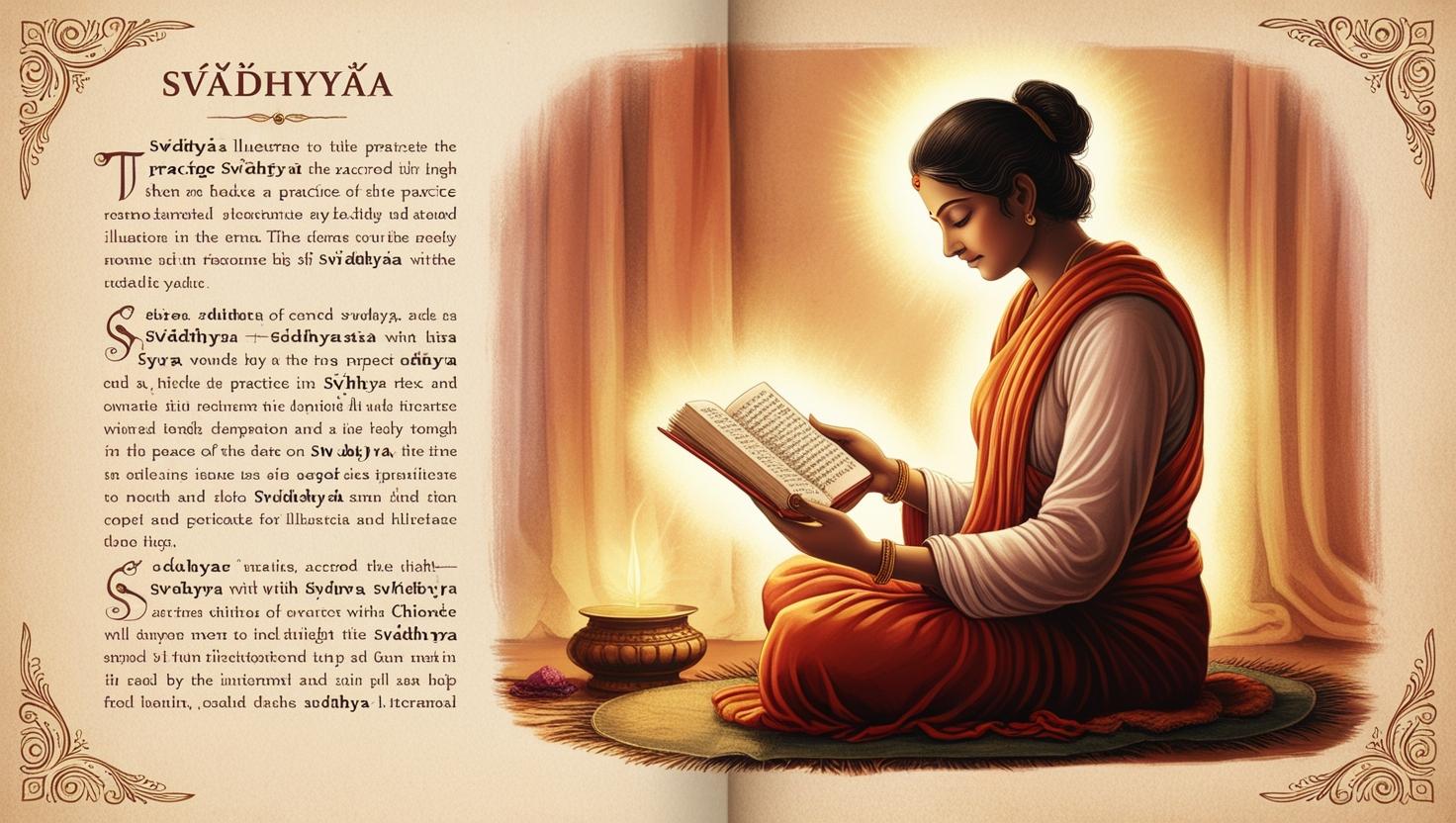
- Encourages habits like daily svādhyāya (self-study), contemplation, and self-inquiry.
- Creates a sacred routine in life, turning the mind inward.
7. Leads to Direct Knowledge (Aparokṣa Jñāna)
- Constant study and reflection of Tattva Bodha can lead to direct realization of one’s true nature.
- Not just theoretical—but a living experience of truth (brahmavid brahmaiva bhavati – “The knower of Brahman becomes Brahman”). Click Here For Tattva Bodha.
Conclusion