Introduction
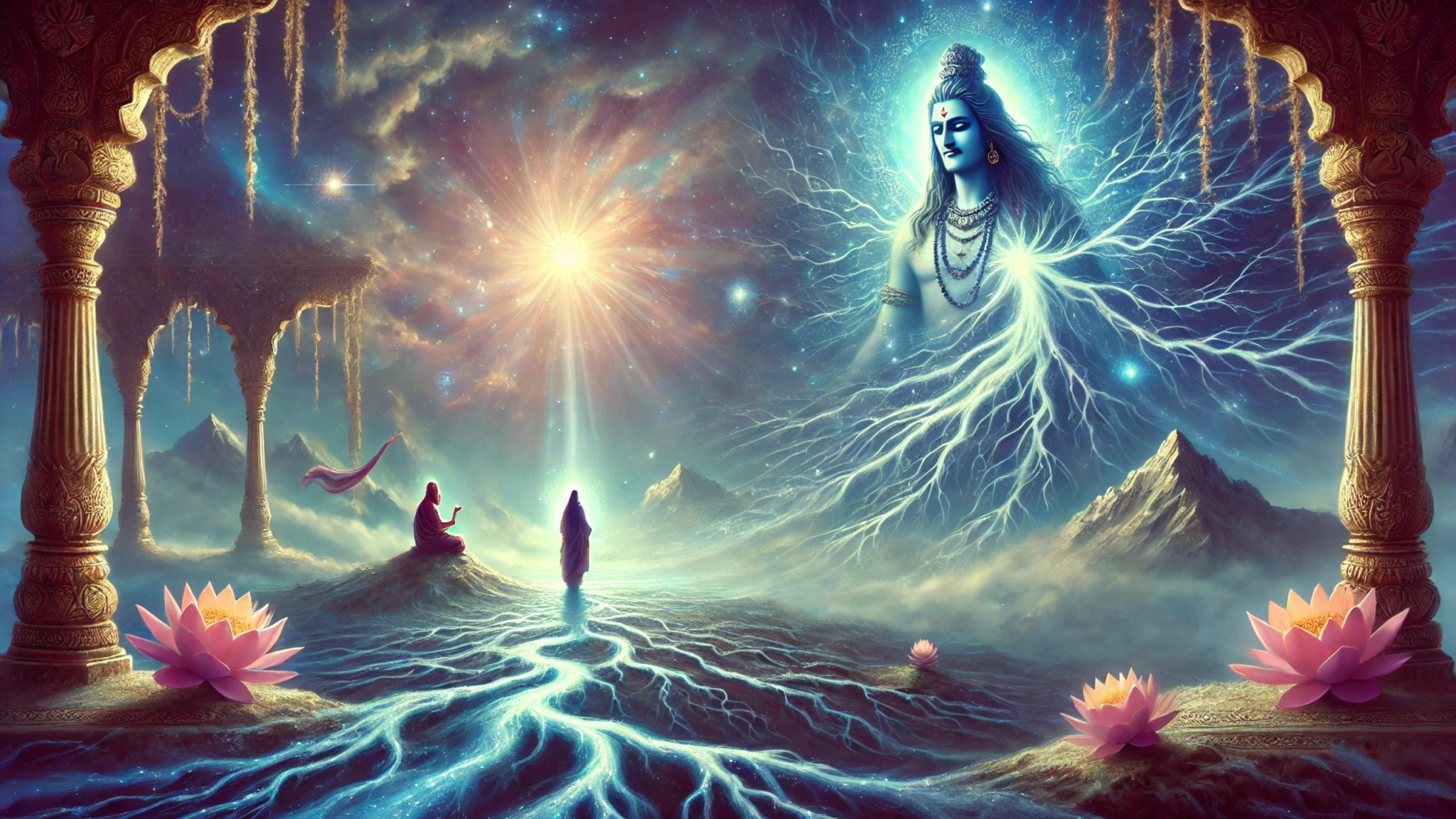
Jñāna Phalam—the “fruit of knowledge”—is the concluding section of Tattva Bodha, revealing the ultimate result of Self-knowledge. These verses (35–38) describe the liberated person (jīvanmukta), the destruction of accumulated (sañcita) and future (āgāmi) karmas, and freedom from bondage even while living. When ignorance is dispelled and one realises the Self as Brahman, action no longer binds, and the individual abides in unshakable peace and detachment. Studying these verses clarifies the goal of Vedānta—freedom through knowledge—and inspires steadfast practice of discrimination, dispassion, and meditation leading to direct realisation of the ever-free, self-luminous consciousness. Click Here To More Detail.
Benefit of studying Jnana Phalam (very brief)
Studying these verses (and reflecting on their meaning) gives: insight into what the liberated state (jīvanmukti) actually is; freedom from binding karma; clarity about what remains and what is transcended when jñāna dawns; confidence in the purpose of inquiry; and motivation for steady practice of the earlier steps (śravaṇa-manana-nididhyāsana).
The Four (step-by-step)
Here are the verses broken into four compact items (corresponding to the four main sub-themes) for easy study.
1) Verse 35 — the man of realisation
Sanskrit (Devanagari):
तद्वेदविदां वचः श्रुतो गुरोः वाक्येन यो योऽयं चेत् सत्सङ्गते स्थिरदृढविश्वासः ।
स्वसंप्रवृत्तिस्थमिव मोक्षः स जीवन्मुक्तः स्मृतः ॥
IAST transliteration:
tad vedavidāṃ vacaḥ śruto guroḥ vākyena yo yo’ yaṃ cet satsangate sthiradṛḍha-viśvāsaḥ |
svasaṃpravṛttistham iva mokṣaḥ sa jīvanmuktaḥ smṛtaḥ ||
Gloss (literal):
“By the words of the knowers of Reality, heard by the words of the Guru, to whichever person in the good-company of the truly wise there is strong and settled faith — and whose own involvement in (worldly) activities is as if extinguished — to him liberation is said to be for-life (jīvanmukti).” Click Here To Jnana Phalam.
Explanation (step-by-step):
- tad vedavidāṃ vacaḥ śrutaḥ guroḥ vākyena — The teaching of the wise (vedavid) heard through the teacher’s words.
- yo yo ’yaṃ cet — Whoever this may be (qualified by what follows).
- satsangate sthira-dṛḍha-viśvāsaḥ — In good company (satsanga) with firm, unwavering faith.
- sva-saṃpravṛtti-stham iva mokṣaḥ — As if his own involvement (saṃpravṛtti) in action is stilled, then his liberation is here while living (jīvanmuktaḥ).
- sa jīvanmuktaḥ smṛtaḥ — That person is remembered as one liberated while living.
Practical point:
Here the text emphasises the environment and the attitude for liberation: good company, firm faith, hearing, and a mind settled. Use this verse to reflect: “Am I in good company? Is my faith stable? Is my involvement in action transformed rather than merely changed?” Click Here To Jnana Phalam.
2) Verse 36 — who is liberated; destruction of karma
Sanskrit (Devanagari):
१) य: स्वदेहशरीरस्वं पुरुषं ब्रह्मैवाभिजानाति, असङ्को, माङ्को, वस्तुं वा सम्यग् बुद्ध्वा, ब्रह्मोपदेशसम्भाषितः स जीवन्मुक्तः ॥
२) य इदं ब्रह्मैव भविष्यति इति ज्ञानात् सर्वकर्मबन्धा न, हान्यन्ते तेन विना ।
IAST transliteration:
(1) yaḥ svadeha-śarīra-svaṃ puruṣaṃ brahmaivaabhijānāti, asaṅko, māṅko, vastuṃ vā samyag buddhvā, brahmopadeśa-sambhāṣitaḥ sa jīvanmuktaḥ ||
(2) ya idaṃ brahmaiva bhaviṣyati iti jñānāt sarvakarmabandhā na hānyante tena vinā ||
Gloss (literal):
(1) “He who knows that his own-body’s Self (puruṣa) is indeed Brahman alone, who is without grasping or being grasped (asaṅka, māṅka), and who having properly known (samyak-buddhā) what remains (vastu) conversed with the Upadeśa of Brahman — he is said to be liberated while living.”
(2) “Because of the knowledge ‘This alone is Brahman’ (brahmaiva bhaviṣyati), all the bonds of action are not destroyed except by that (i.e., only by that knowledge).” Click Here To Jnana Phalam.
Explanation (step-by-step):
- (1) Recognises the Self (puruṣa) as Brahman, not limited to body-mind.
- “asaṅka, māṅka” — free from being the doer or the enjoyer (or their opposite).
- “vastuṃ vā samyak buddhe” — having completely known that reality.
- “brahmopadeśa-sambhāṣitaḥ” — established by the instruction (upadeśa) about Brahman.
- “sa jīvanmuktaḥ” — he is the living liberated.
- (2) The direct knowledge “I am Brahman” (or “This is Brahman”) leads to non-attachment to the results of action; all karma-bondage is ended by that knowledge.
Practical point:
Reflect on your identification: Do you identify as body/mind (and hence subject to doership/enjoyership)? Or are you increasingly resting as the witness-Self? Use this verse to examine the presence or absence of doership/agency in your actions. Click Here To Jnana Phalam.
3) Verse 37 — types of karma
Sanskrit (Devanagari):
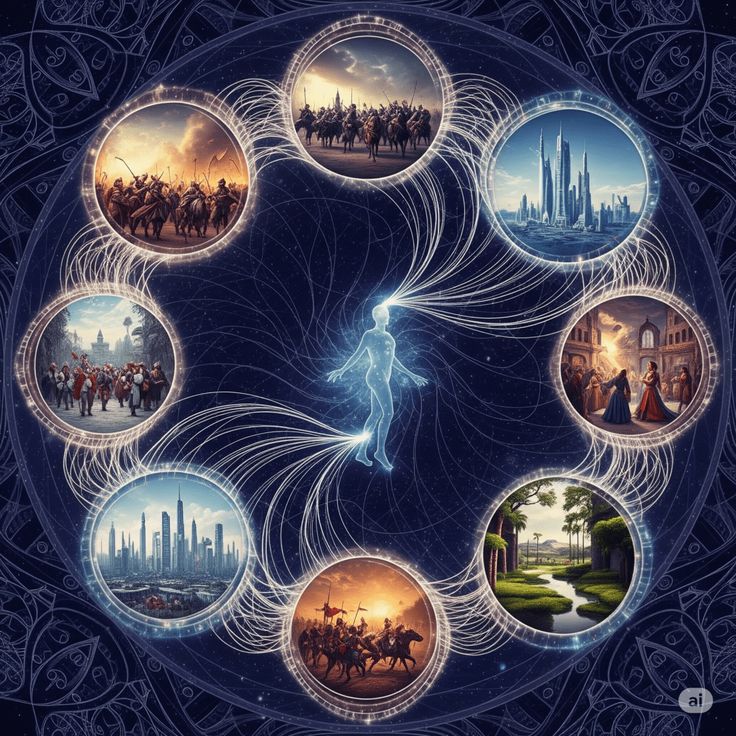
कथं नाम त्रिविधा कर्मभिलाषा? — आगीमसंचितप्रारब्धा इति।
आगतं देहसंयुक्तं कर्म किंचित् सीदन्ति सञ्चितेति विषयासबाइनि।
प्रारब्धं कर्मिते देहसम्बन्धे निजे सुखदुःखैरल्पसाह
IAST transliteration (approx):
kathaṃ nāma tridhīdhā karma-bhilāṣā? — āgīma-saṃcita-prārabdhā iti |
āgatam deha-saṃyuktaṃ karma kiṃcit sīdanti saṃcite ti viṣayāsabāyini |
prārabdhaṃ karmite deha-sambandhe nija sukha-duḥkhair alpasāha |
Gloss (literal):
“How are the desires for action (karma-bhilāṣā) threefold? They are called: āgāmi, saṃcita and prārabdha.
Those actions joined to the body (deha-saṃyukta) which have not yet arisen are called saṃcita (accumulated) …
The prārabdha is that which has been set in motion in the present body related to one’s own pleasure/pain with little effort.”
Explanation (step-by-step):
-
Defines the three kinds of karma:
-
āgāmi – actions that will arise in the future.
-
saṃcita – accumulated past actions (store-seed).
-
prārabdha – that portion of past karma which is currently bearing fruit in this life (body associated).
-
-
Clarifies the working of karma in the realised person’s life.
Practical point:
Use this verse to reflect on your sense of “I did this, I will get that result.” See how much of that is memory/seed (saṃcita), present-fruit (prārabdha) or future-intention (āgāmi). This helps loosen identity with action and result. Click Here To Jnana Phalam.

4) Verse 38 — final fruits and conclusion
Sanskrit (Devanagari):
सञ्चितं कर्मणो ज्ञानेन हन्यते ब्रह्मैव हि तेन न सञ्चिता निष्प्यायते।
आगीमं कर्म ज्ञानबलेन हन्यते पद्मपत्रवत् विमलः पुरुषोऽहं निर्लिप्तः।
यः स्तुयते भक्तिं यः पश्यति यत्कृतं यः वन्दते स हि तस्मै फलानि भवन्ति।
एवं ज्ञाता आत्मस्वरूपेण संसर्गात् संसारमिति तस्य सर्वा न पश्यन्ति॥
IAST transliteration (approx):
saṃcitaṃ karmaṇo jñānena hanyate brahmaiva hi tena na saṃcitā niṣpyāyate |
āgīmaṃ karma jñānabaleṇa hanyate padmapatravata vimalah puruṣo ’haṃ nirliptaḥ |
yaḥ stuyate bhaktiṃ yaḥ paśyati yat kṛtaṃ yaḥ vandate sa hi tasmāi phalāni bhavanti |
evaṃ jñātā ātmasvarūpeṇa saṃsargāt saṃsāram iti tasya sarvā na paśyanti ||
Gloss (literal):
“By knowledge the accumulated karma is destroyed; indeed Brahman alone is made use of thereby — the accumulated is not born again.
The future (āgāmi) karma is destroyed by the power of knowledge, like a lotus-leaf which remains untouched by water — he says ‘I am that’ with detachment.
Whosoever praises, loves, or serves (the realised) or sees what has been done, or salutes — to him go the fruits of the actions done by the realised one.
Thus, having known by his own nature the Self, he takes no part in contact with samsāra; to him all (worldly) persons do not appear (as bound).”
Explanation (step-by-step):
- First line: Knowing the Self destroys saṃcita karma; since only Brahman exists, the store of past seeds is exhausted.
- Second line: Future karma (āgāmi) is destroyed by that knowledge; like the lotus leaf remains unstained by water (symbol of non-attachment). The realised says “I am That” (aham brahmāsmi) and is free from entanglement.
- Third line: The fruits of the realised one’s actions accrue to those who treat him with devotion, seeing or praising or serving him. (This is a subtle scriptural note on saṃskāras and the field of influence.)
- Fourth line: Thus the knower, established in his own Self-nature, does not engage with samsāra; to him all others are seen as free, not as bound.
Practical point:
Use this verse to contemplate: What does it mean to be unstained by karma? How does non-attachment function in everyday life? Also reflect on how interaction with a realised person or truth-environment changes the “field” of experience (third line). Click Here To Jnana Phalam.

How to study these verses (practical step‐by‐step)
- Read each verse in Sanskrit + transliteration aloud — familiarize your ear with the sound.
- Work through the gloss word-by-word (as above) until you feel the sense of each phrase.
- Reflect (manana): Ask yourself questions such as: “What in my life corresponds to saṃcita karma? What to āgāmi? Which verse gives me confidence now?”
- Meditate (nididhyāsana): Choose one key phrase (for example “aham brahmāsmi” or “padmapatra-vat vimalah”) and let it permeate your stillness for a few minutes daily.
- Integrate the practice: Use the earlier sections of the text (qualifications, discrimination, etc.) as your ground; then when you read Jnana Phalam, feel how they culminate into “liberation while living”.
- Daily short reading (5-10 mins) of one verse (each day 1 verse for 4 days) and then review all 4 verses in a 5th session. Repeat the cycle for a month. Use journal: write one line of how the verse resonates in your current experience. Click Here To Jnana Phalam.
How often / how many times to study
- First cycle: Read all four verses consecutively in one sitting (about 20-30 minutes) to get the whole picture.
- Second cycle (week): Read one verse per day for four days, reflect each day; on day five review all four and write your reflections.
- Monthly revisit: At end of month, re-read the four verses and ask how your understanding has deepened.
- If you want memorization: repeat each verse aloud 108 times (traditional number) on four successive mornings, then recite all four each morning for 40 days. Quality > quantity. Click Here To Jnana Phalam.
Why study this (short)
Because this section tells you what you are aiming for — the fruit of all the earlier effort: realisation, freedom from karma, living liberation. Without knowing the fruit, the journey can feel aimless. These verses anchor the entire enquiry in a living outcome.
Conclusion
The Jñāna Phalam section crowns Tattva Bodha by declaring that true liberation arises not from ritual or renunciation alone, but from direct knowledge of one’s identity with Brahman. For the realised one, ignorance and its effects—karma, bondage, and sorrow—are utterly destroyed. He lives as pure awareness, untouched by worldly results, like a lotus leaf in water. These closing verses summarise the entire Vedāntic vision: knowing the Self is liberation itself. Reflecting deeply on them strengthens conviction, removes doubt about the path’s purpose, and transforms philosophical understanding into living freedom—serene, self-established, and complete.
Join Our Classes:
The Tattva Bodha are more than just ancient texts—they are timeless guides to living with clarity, balance, and inner peace. Our classes make their profound wisdom easy to understand and apply in everyday life. Join us to explore these teachings and discover a new way of seeing yourself and the world!